Welcome to the Buddhist Council of Queensland

The Buddhist Council of Queensland, created in 1999, and Incorporated in December 2000, has brought a large number of Buddhist centres and societies together, for their common benefit.
It has also contributed to wider action promoting the advancement of Buddhism throughout Australia through its affiliation with the Federation of Australian Buddhist Councils.
The Council is a not-for-profit charitable body formed from the Queensland Buddhist community and represents all traditions and centre's equally and transparently.
Latest News
View all news →Loading…
About the Buddhist Council of Queensland

The Buddhist Council of Queensland, created in 1999, and Incorporated in December 2000, has brought a large number of Buddhist centres and societies together, for their common benefit.
It has also contributed to wider action promoting the advancement of Buddhism throughout Australia through its affiliation with the Federation of Australian Buddhist Councils.
The Council is a not-for-profit charitable body formed from the Queensland Buddhist community and represents all traditions and centre's equally and transparently.
Management Committee
The 2025–2026 Committee comprises:
Calvin Yu (President)
Ven. Trin-lä (Secretary)
Emanuelle Jones (Treasurer)
Committee Members: Rev. Tetsuyu Wilson, Lobsang Nyima, Ven. Tseten
What Is Buddhism?
Buddhism is the philosophy of non-harm, of love and compassion for all sentient life. Siddhartha Gotama realised enlightenment, the true state of knowing at the age of 35, sitting under the famed Bodhi tree in northern India some 2,550 years ago. He shared his wisdom for another 45 years and gained many disciples and followers. He passed into what is termed parinirvana at the age of 80. He came to be know as Shakyamuni Buddha—the founder of Buddhism.
His teachings are founded on the realisation that all life is in suffering, that has identified causes, and a way to extinguish that suffering, by following, what he called the eight-fold path… these became known as the Four Noble Truths.
He explained how it is we are born, age and die in a relentless cycle called the Wheel of Life and by attaining enlightenment, the awareness of the true nature of ourselves, we can break that cycle and attain nirvana. He explained that our thoughts and actions determine what our future lives will be like, how the karma we accumulate travels with us, life to life, and we must nurture good actions and thoughts as often as possible in order to ensure good conditions in the future.
Buddhism is experiential in nature, meaning awareness comes from within each of us, from study and meditation, and is not something one simply imitates or learns. To be sure of acquiring the correct teachings and guidance however, it is always recommended that a student of Buddhism find a reliable and knowledgeable teacher, who practices the Buddha’s teachings in their daily activities – teaching by example is a fundamental method in Buddhism. There are numerous different ways to study and practice Buddhism and some have even been identified more as religion than philosophy (a love of wisdom), but since it is essentially a way of living, from one moment to the next, its philosophical foundation remains common to all.
The Buddhist clergy of monks and nuns, or Sangha, serve to help all other students of Buddhism to achieve realisation and enlightenment, being the source of teachings, guidance and support. Their centres often act as hubs for their respective communities and are always welcoming and friendly – such is the Buddhist way.
To gain a fuller understanding of what Buddhism actually is, you should endeavour to locate a dharma centre in your area and make an inquiry – if there is not one that meets your needs, then contacting the Buddhist Council of Queensland will help you connect with a suitable centre or group.
The History of Buddhism in Queensland
First Recorded History
Buddhism is reputedly the first non-indigenous religion to arrive in Australia. At a site on the coast of the Gulf of Carpentaria near the base of Cape York, Queensland, a number of Chinese porcelain tea cups, dating 2000 years old, were unearthed several years ago.
In 1961 a 2000 year old vase bearing a crude map of the Australian east coast was discovered in Hong Kong. Another map, dating back 2000 years and drawn on porcelain, exists in Taiwan. It shows the southern coastline of New Guinea, the east coast of Australia as far south as Victoria, and the crude outline of Tasmania. Another Porcelain map has since been found in China. Dating to 1477, it not only describes much of the American west coast, but some Pacific Islands, including New Zealand, Australia and New Guinea, and the islands of south-east Asia and the coast of China.
Thirty-five years ago a jade Buddha was unearthed near Cooktown in far north-Queensland, deep below ancient soil deposits. In Darwin in 1879 workmen dug up a statue of Shou Lao, the Chinese god of longevity, from deep down beneath the roots of an ancient banyan tree. Dating from the Ming period, it has been linked with an expedition believed to have been made to our shores by Admiral Cheng Ho on the orders of his emperor. The fleet consisted of 62 nine-masted ships, each 140 metres in length and accompanied by 28,000 men.
Cheng Ho
Although the earliest evidence of Buddhist influence in Australia is shrouded in mystery, The Chinese Ming Dynasty emperors took a keen interest in exploration, the first Buddhists are said to have touched Arnhem Land and the Gulf Of Carpentaria, including coastal areas which now form part of modern day Queensland, with the armada of Cheng Ho in the 15th Century. Cheng Ho also possessed the magnetic compass on this voyage. Invented by the Chinese in 1090, it was not "discovered" in Western Europe for another 100 years.
Cheng Ho sailed from Shanghai in 1405 with orders to visit the islands of south-east Asia on diplomatic and trade matters.
The 1800’s
In the 1800's, especially during the gold rush time, many Chinese people arrived in Australia. Whether any of them were practising Buddhists or perhaps more motivated by greed is unknown. Certainly, the 1800's saw the first establishment of, so called, "Joss Houses" on Australian soil.
The earliest surviving “Joss House” is the Triad Temple at Breakfast Creek in Brisbane, established in 1885.
1859 – Queensland succeeds from New South Wales
Late 1800’s – Mackay and Thursday Island – The first Buddhists after succession
Late 1800’s – Mackay and Thursday Island – The first Buddhists after succession
In approximately 1870, a number of Sri Lankan immigrants, most of whom were Buddhist, settled in the Mackay area of Queensland.
Klaas de Jong revealed in his booklet, "A Short Account of the Spread of Southern Buddhism in Australia and Queensland in Particular", that a group of Sri Lankans arrived in Mackay, Queensland, on board the ship, "Devonshire", on November 16th, 1882. Prior to the voyage, as early as 1876, a large group of Sri Lankans also settled on Thursday Island. By the 1890s, the community totalled about 500 people.
Six years prior to the arrival of the Sri Lankans in Mackay, there was a Buddhist temple on Thursday Island, the northernmost tip of Australia. Klaas de Jong reports that some five hundred Sri Lankans were involved. They were engaged in the pearl trade and they erected a small temple and planted a Bodhi tree. Although remnants of this temple are reputed to have been incorporated into the present post office, the Bodhi tree, apparently, is still thriving. In the book, "Path to Righteousness", a collection of a series of articles by Anagarika Dhammapala, originally published in the Maha-Bodhi Journal' between 1892 and 1900, it is reported that a Dr Worthington formed a group called "Students of Truth", which regarded themselves as 'Christian Buddhists'. This group apparently had branches on mainland Australia, as well as Tasmania and even extended to New Zealand.
Also, in his book "Path to Righteousness", Anagarika Dhammapala talks about these Sri Lankan Buddhists who erected a small temple on Thursday Island, the northern most tip of Australia, during their fishing visits there in the 1890s. The island had been populated for thousands of years by the Melanesian Torres Strait Islanders, who named the island Waiben, thought to mean 'no water or place of no water', owing to the scarcity of fresh water on the island. In 1877, an administrative centre for the Torres Strait Islands was set up on the island by the Queensland Government and by 1883 over 200 pearling vessels were based on the island. A lucrative pearling industry was founded on the island in 1885 attracting workers from around Asia, including Japan, Malaya and India, seeking their fortune.
Like the Chinese, most of the Sinhalese Buddhists returned to their homeland by the end of the nineteenth century. Some remained however and descendants, recognisable by their Sinhalese names, can be found among the members of some present day Buddhist societies in Queensland.
1900’s
Buddhist numbers would have continued to increase if the Immigration Restriction Act of 1901 had not been introduced to combat the ‘yellow peril’. Alfred Deakin, who was destined to be Prime Minister three times, drafted the legislation to pacify a somewhat xenophobic Caucasian electorate. This bill later grew to represent the more broadly implemented White Australia Policy. For the next fifty years the benefits of mind training and meditation, as taught by Buddhism, would be disregarded as some sort of obscure ‘eastern mysticism’. Except for some remote surviving pockets of Buddhists (such as Broome and Thursday Island), the religion became virtually extinct in Queensland.
19th and 20th Century
The first Buddhist Society of Queensland was founded in 1953, the same year that saw the establishment of Buddhist Societies in Victoria and New South Wales. Unlike its southern counterparts, the Queensland Society was wound up after only three years of activity.
The introduction of Buddhist practice into Brisbane is a very recent event in the 2,500 year history of Buddhism, with the first record of a Buddhist presence dating from the 1880s. Among Brisbane’s Chinese population was a small group who identified themselves as Buddhists. They gathered at Brisbane’s first temple, the Temple of the Holy Triad, which was built at Breakfast Creek in the mid 1880s and remains on its original site. Religious practice at this temple was not exclusively Buddhist, but a blend of Taoism, Confucianism and Buddhism.
By the 1900s, the number of Chinese people in Brisbane and the practice of Buddhism had declined. Although Buddhist immigrants belonging to both the Theravada and the Mahayana traditions of Buddhism have lived in Queensland for well over a century, Buddhist activities to cater to their spiritual needs had taken place before the 1950s, there was no attempt to establish a regular Buddhist organisation to serve the needs of those interested in Buddhism amongst the general population of Queensland.
In 1953 the first attempt was made to organise Anglo-Australian Buddhist activity in Brisbane, through the foundation of the Buddhist Society of Queensland. The high point of the Buddhist Society’s brief period of activity was the April 1955 visit to Brisbane of the first internationally known Buddhist teacher, the Venerable Narada Maha Thera. Despite the success of the visit, the society’s numbers dwindled and it ceased to function after 1956.
The second attempt at organising Buddhist activities in Queensland was the establishment of a short lived Buddhist discussion group in 1962. It was followed by another Buddhist Society but this seems to have been even less of a success than its predecessors and it soon vanished from the scene leaving no trace. Thus when the 1970s dawned, there was no organised Buddhism in Queensland.
The most important influence on the growth of Buddhism in Brisbane was the arrival, from the late 1970s, of immigrants from Buddhist countries. In particular Vietnam, Malaysia, Cambodia and Thailand. In 1974, the world’s first Tibetan-founded Buddhist centre was established at Eudlo in the Sunshine Coast hinterland and remains one of the largest in Australia and the western world.
Buddhism In Queensland Today
In recent years, people’s contact with Buddhism has increased through visits of prominent Buddhist teachers, most notably His Holiness the Dalai Lama. The growth in spiritual and tourist travel to Asia and the influential profile created by Hollywood celebrities like Richard Gere.
The growing appeal of Buddhist philosophy and meditation in a changing world has seen the number of Buddhist organizations in Brisbane increase by 10 times - from 4 in 1982, to 40 in 2004 and more than 90 Dharma Centres and Other Organisations at last count. Attendance at the various Buddhist festivals in Brisbane also continues to rise. In 1997, its first year, the Buddha Birthday Festival at South Bank attracted 5,000 people and in 2008 up to 180,000 attended. This celebration of Buddha is Brisbane’s best-attended festival and showcases the growing importance of Buddhism in our wider community. In Queensland today it is possible to encounter a statue of Buddha in the most unexpected of places. While it is impossible to determine when the first Buddha statue would have come to Queensland., the overwhelming interest and response to Buddhist Principles reveals that today Buddhism is a part of many people’s daily lives.
The Buddhist Flag
Origin of the Buddhist Flag
The Buddhist Flag, first hoisted in 1885 in Sri Lanka, is a symbol of faith and peace used throughout the world to represent the Buddhist faith.
There appears to have been a controversy over as to who designed the Buddhist Flag.
Some give the credit to Henry Steele Olcott, a retired American Army Colonel to Sri Lanka in May 1880.
Olcott embraced Buddhism and joined the Buddhist revivalist movement and pioneered Buddhist education. He initiated the establishment of close to 400 Buddhist schools and colleges in Sri Lanka. Ananda, Nalanda, Mahinda and Dharmaraja stand as monuments to his pioneering efforts.
In 1884, the Buddhists succeeded in getting the British rulers to declare Vesak Poya Day as a Public Holiday as from May 1885. At this stage the Buddhists established the ‘Colombo Committee’, and Olcott was indeed one of its members, but there were also more than ten other eminent members of the Sri Lankan laity and sangha.
This committee set about the task of evolving a Buddhist Flag to be hoisted on Vesak Full Moon Day, 28th May 1885, the day declared as a Public Holiday, for the first time.
Thus it is this committee that jointly designed the Buddhist Flag and the then Secretary of the Committee presented it to the public as approved by the ‘Colombo Committee’ on 17th April 1885.
The Buddhist Flag, so designed, was hoisted for the first time on 28th May 1885, Vesak Full Moon Day, by Ven. Migettuwatte Gunananda Thera at Deepaduththaramaya in Kotahena.
On a suggestion by Olcott the flag was modified to be of the normal size of National Flags. The Buddhist Flag so modified was hoisted on Vesak Full Moon Day in 1886. It remains unchanged to this day and is used by all the traditions and schools of Buddhism throughout the world.
Professor G .P. Malalasekera was instrumental in making it the Flag of the Buddhist World. His proposal at the meeting of World Federation of Buddhists held in Kandy on 25th May 1950, to accept it as the official Buddhist Flag.
It was accepted as the International Buddhist Flag by the 1952 World Buddhist Congress.
Meaning of the Colours of the Buddhist Flag
The original design's six colours; Blue (nila), Yellow (pita), Red (lohita), White (odata), Scarlet (manjestha), and the mixture of these six colours (prabaswara) of the flag represented the colours of the aura that emanated from the body of the Buddha when He attained Enlightenment under the Bodhi Tree.
The original colour of Scarlet, was subsequently altered to Orange.
The Horizontal Stripes represent the races of the world living in harmony and the Vertical Stripes represent eternal world peace.
The colours symbolize the perfection of Buddhahood and the Dharma.
The Blue light that radiated from the Buddha's hair symbolises the spirit of Universal Compassion for all beings.
The Yellow light that radiated from the Buddha's epidermis symbolises the Middle Way which avoids all extremes and brings balance and liberation.
The Red light that radiated from the Buddha's flesh symbolises the Blessings that the practice of the Buddha's Teaching brings.
The White light that radiated from the Buddha's bones and teeth symbolises the Purity of the Buddha's Teaching and the Liberation it brings.
The Orange light that radiated from the Buddha's palms, heels and lips symbolises the unshakable Wisdom of the Buddha's Teaching.
The Combination Colour, on the fly, symbolises the universality of the Truth of the Buddha's Teaching.
Therefore, the overall flag represents that regardless of race, nationality, division or colour, all sentient beings possess the potential of Buddhahood.
A more modern, contemporary definition of the six colors is given as:
1. Blue: signifying the concept of loving kindness and peace in Buddhism
2. Yellow: signifying the Middle Path, that is, the complete absence of form and emptiness
3. Red: signifying achievement, wisdom, virtue, fortune and dignity.
4. White: signifying purity, emancipation, that the Dharma will always exist regardless of time or space.
5. Orange: The essence of Buddhism which is full of wisdom, strength and dignity.
6. The Combination of these five colors symbolizes that it is the one and only Truth.
| Attachment | Size |
|---|---|
| Buddhist flagsmall1.gif | 2.08 KB |
Calendar of Buddhist Events in Queensland
Please note that some of these dates refer to foreign country observances, however, due to the multicultural diversity we share in Queensland, people from those countries may choose to continue to celebrate those festivities, here in their adopted country of Australia.
Please also note that the Buddhist calendar is predominantly based on the lunar cycle and therefore certain dates will change from year to year. Sometimes, too, by convention, a fixed day may also be identified to commemorate that event. The dates below, are mainly those of the first full moon in each month, and generally coincide with an important Buddhist date (though at times the event may be tied to a new moon instead).
Also, certain events in Buddhism are celebrated at different times in different countries or traditions – much like some public holidays in Australia vary from state to state.
We hope this calendar will be useful in determining the important dates within Buddhism that may be celebrated in Queensland.
| Attachment | Size |
|---|---|
| Buddhist_Calendar2014-17.pdf | 49.51 KB |
History of the BCQ
A brief summary telling the amazing history of the council and how it has made and continues to make its valuable contributions to Buddhism in Australia.
Background Setting
The Buddhist Council of Queensland came into being in 1999, as a sequel to a number of somewhat unexpected events, one flowing from the other. There was an element of good fortune or rather the result of our good past kamma.
In early 1999, a delegation of senior Buddhist centre leaders meet with the then Minister assisting the Premier of Queensland, in relation to multi-cultural affairs.
Topics covered included the fact that Buddhism needs to be recognised fully as a religion, legally and administratively at all levels, that Buddhism was spreading fast, that there were no clear and proper channels of communication between the government and the Buddhist community, that there was no single recognised hierarchy in Buddhism, and that large numbers of migrants were Buddhists, and that the government owed certain duties to the Buddhist community, and Buddhists owed certain duties towards the government and the wider community, if peace, harmony, freedom and progress were to be ensured.
Son after, similar approaches were made by state government departments to the Buddhist councils in NSW and Victoria in connection with the need for umbrella bodies and joint representation at the national level.
Inauguration
An inaugural meeting at Mt.Gravatt on the 17th of July 1999 included the Director of Multi-Cultural Affairs, and commended the idea of a Buddhist Council for Queensland. Mr.Graeme Lyall, President of the Buddhist Council of NSW supported the idea. A resolution was unanimously passed, to set up a Buddhist Council of Queensland.
A Steering Committee was to commence the proceedings for a state council.
The second general meeting was held at Yungabba, Kangaroo Point, by courtesy of the government, on the 4th of December 1999, to which 55 groups were invited. The result was the adoption of a draft constitution for use as a working document, and the formation of a management committee as follows:
The third general meeting was held in March 2000 at the Amitabha Buddhist Association Temple at 11 Toona Place, Calamvale. A Work Program for the next two years and an updated version of the draft constitution were presented at this meeting. A decision to incorporate the council was unanimously adopted.
Incorporation
The first annual general meeting was held in June 2000 at the Chung Tian Temple, on Underwood Road, in Priestdale.
The constitution was finalised at a general meeting held in October 2000, at which the model rules provided under the Associations Incorporation Act were adopted with the objects taken from the draft constitution. Membership rules were modified to suit incorporation. The council was incorporated on 6 December 2000
At the fourth annual general meeting held at Wat Thai Buddharam in Forestdale, in March 2003, Mr.Terry O'Connor was elected president. He was re-elected to the same position in March 2004, at the fifth annual general meeting held at the Brisbane Buddhist Vihara, Lovat Road, Ellen Grove.
The sixth annual general meeting was held at Karuna Hospice Services' magnificent premises on May 27, 2005 and Mr Jim Ferguson was elected to head a new committee of eight centre representatives spanning all the traditions operating in Queensland.
The Council dedicated themselves to restoring lost connections with groups and connecting with new groups that deliver dharma in Queensland, directly participating in centre, government and other initiatives and encouraging communication between the various centres and temples. This has proven to be successful with a revitalised Council actively engaging in and with the broader Buddhist community and frequently being called upon to represent Buddhism in this state to a diverse range of organisations and people.
With the strong support of the Pureland College in Toowoomba, the Council staged it's first major community activity, an information stall at the Roma Street Qld. Multicultural Festival, during which several thousand free dharma books and materials were handed out to the public, confirming the strong interst in Buddhism is Queensland. The Council's role as a contact point for people seeking information on and connecting with Buddhism since then has been continually increasing.
Significant changes took place during the year, with the Council establishing an Operations Manual to guide all dealings, all committee members acquired CCYPCG Blue Cards (as required under new legislation) and most importantly, sought from the membership and was endorsed to amend the Council's Constitution to allow smaller centres (less than eight members) and Individual members to jon the Council and be represented.
At the seventh Annual General Meeting, held again at Karuna, on May 27, 2006, Jim Ferguson was again elected unopposed as President, Rachel Hannam as Secretary, and Kim Hollow as Treasurer, together with another strong committee elected, to continue the work of the Council.
At the eighth Annual General Meeting, which was held at Karuna House on May 26, 2007, the entire committee was re-elected to their same positions and two new members, Lorraine Moyes and Jenny Leneuve were welcomed on board as well.
The ninth Annual General Meeting, which was again held at Karuna House on May 10, 2008, the former committee. This will help ensure that the groundwork already put into place, shall continue building closer and better relationships between centres and temples and the community generally.
The tenth Annual General Meeting saw the retiring committee re-elected en masse and two new committee members added.
The eleventh AGM saw the status quo continue with the same executive committee re-elected unopposed.
At the most recent, 12th AGM, Jim Ferguson retired from the role of president and Kim Hollow was elected to the position. Some new members were elected to positions on the committee and the Council is well structured to continue its representation of the Queensland Buddhist community generally.
The Council Today
The committee elected this year continues the trend evidenced from the past three years focus on open and equal support for all traditions. It stands for the continued interactions with all the traditions found in Queensland and strives to make the Buddhist philosophy more available to everyone. To keep up to date with what is happening, please consult our what's new page.
The Buddhist Council of Queensland continues to represent the Buddhist perspective in such forums as the Religious Education Advisory Committee, that serves the Minister for Educations; and the Multi-Faith Health Care Council that advises the Minister for Health in matters of chaplaincy and pastoral care. It also works with other government bodies where advice on Buddhist matters is sought.
Services Rendered to Buddhist Groups
From day one the council has been providing services to Buddhist groups. A brochure outlining services provided has been issued to all Buddhist groups. Such services included assistance in obtaining visas for monks and religious artisans for temples, resolution of town planning problems, providing support to monasteries in taxation matters, liaison with government, providing general help to upcoming Buddhist centres, teaching of Buddhism in high schools, information through newsletters and websites, to mention a few.
Federation of Australian Buddhist Councils
A major common milestone was the formation of the Federation of Australian Buddhist Councils . The inaugural meeting was hosted by the Buddhist Council of Queensland with the active support of the Amitabha Buddhist Association Temple.
The first bi-annual general meeting of the Federation was held at the Atisha Buddhist Centre in Bendigo. Buddhist Councils of Western Australia and South Australia were later admitted as new members of the federation.
The present representatives to the FABC are Kim Hollow, with Kim now also elected as President of the FABC. A major initiative being undertaken by the FABC is the proposed staging of a Buddhist Policy Forum, to be held in Canberra. White Papers are now being sought on a number of major themes , each of which contain a diverse range of topics. All Buddhists and kindred-minds are invited to submit papers on these topics. It is hoped that this forum will also engage prominent members of the Australian community and government. The outcomes will be a defined set of policy statements that will represent a common voice on the Buddhist perspective on day-to-day issues that affect us all, and the showcasing to the Australian public of how relevant the 2,550 year old philosophy of Buddhism fits into our modern lives.
Australian Sangha Association
The councils always felt the need for the Sangha to get organised; this was in fact mentioned in our constitutions. The Sangha has taken the initiative to set up the Australian Sangha Association (ASA).
The second meeting was held June 2005. There is a close understanding between the Federation of Australian Buddhist Councils Inc. (FABC) and the ASA. The ASA has now formed it's own governing body, producing a newsletter and is working towards fair and equal representation of all sangha irrespective of their tradition or colour of their robes.
It is sincerely hoped that the two organisations will work and develop in unison for the good of all Buddhists and Buddhist organisations in Australia.
The Queensland Buddhist Council will do its utmost to support this Third Precious Jewel of Buddhism.
Objectives
(A): BRINGING TOGETHER ALL BUDDHIST GROUPS AND BUDDHISTS
(1) To foster a spirit of fellowship, co-operation, friendship and
goodwill among Buddhist groups.
(2) To facilitate the exchange of information and resources among
Buddhist groups.
(3) To serve as a forum for the discussion of matters of common
interest to Buddhist groups.
(B): REPRESENTATION OF ALL BUDDHIST GROUPS AND BUDDHISTS
(4) To facilitate dealings with government, the private sector, other
organizations, the media and the public in general, in matters of
common interest to Buddhist groups.
(5) To facilitate the representation of Buddhism and Buddhist groups
in inter-religious forums, organizations and activities.
(6) To facilitate the expression of the Buddhist perspective on
matters of interest to society.
(C): SUPPORTING BUDDHISM
(7) To assist in the resolution of differences between Buddhist
groups and other persons or entities, including government, and
differences among Buddhist groups.
(8) To assist Buddhist groups in matters requiring approvals from
government, in subject areas such as, exemption from income tax, tax
deductibility for donations, town planning, and visas for monks and nuns
from overseas, setting up procedures, drafting constitutions and
obtaining incorporation.
(9) To support Buddhist Groups and Buddhists in Australia, in their
rightful aspirations.
(D): PROMOTION OF SERVICES RENDERED BY BUDDHIST GROUPS
(10) To promote community services and social welfare activities of
Buddhist groups.
(11) To promote the development and dissemination of educational
resource material on Buddhism.
(12) To promote training programs for Buddhists, especially for
Buddhist Youth.
(13) To promote public talks, forums, and seminars on Buddhism
and related subjects.
Education
The Buddhist Council of Queensland is an active member of Education Queensland's Religious Education Advisory Committee [REAC], which is responsible for developing and guiding the Religious Instruction in all state schools in Queensland.
This includes the protocols and requirements for the appointment of Religious Instructors in these schools and providing assistance with the formation of and maintenance of an approved syllabus and curriculum.
From 2010, the Council is the sole certifying authority for accrediting Buddhist Instructors and programs in state schools.
The Buddhist Council of Queensland is also a panel-member of the Advisory Committee for Employing Authorities of Chaplains [ACEA] that oversees the accreditation of these organisations.
These roles help to ensure that Buddhism is fairly and accurately represented in the public school system in Queensland.
Some useful Information on Buddhist Education in Queensland Schools
- Fact Sheet on Buddhism for Qld. Schools - Provided to all Qld State Schools through REAC - Education Qld 2010
- Connect to the CCYPCG - Blue Card page A mandatory requirement before becoming a RI Teacher in Qld.
- Buddhist Studies for Primary Students Syllabus Guide with Question Time.
- Buddhist Studies for Secondary Students Syllabus Guide with Question Time.
- A Manual for Peace - The Full 38 Step Program - includes Lesson Plans : courtesy of the Dhammakaya Foundation and Brisbane Insight Meditation - Woollowin.(nb:2 Mb PDF File)
- Many Faiths - One Humanity - Full Lesson Plans : courtesy of Griffith University Multi-Faith Centre - Nathan (nb:6 Mb PDF File)
Please note these two publications may be reproduced for education purposes, subject to retaining recognition for the original authors in the reproduction.
Projects
Queensland's Q150 - 150th Birthday Grant Project
July 2009 marked the 150th anniversary of the formation of the State of Queensland. In celebrating this epoch in history, the government offered grants for special projects to the state's communities and the Buddhist Council of Queensland was successful in obtaining a grant of $4,800 to produce a useful reference book on the history of Buddhism in this state.
The funds permitted the Council to also complete an up to date directory of centres of dharma study and practice in this state, combining the two into one useful reference book.
In addition, funds also provided for the significant revamp of the Council's website, which you are now accessing. This now permits member groups to access, update and add content about their own organisation as well as place details of events that may be on interest and benefit to others too.
This project has brought not only expanded information on Buddhism's history in Queensland, but it has also provided the opportunity for centres to explain their own histories as well.
This project could not have been completed without the concentrated efforts of many individuals, who gave freely of their time and/or made financial contributions to deliver the total project cost that was over $17,000. The Q150 contribution of $4,800 represented less than 30% of that total.
It is hoped that when further funds become available, we may be able to revise this reference, adding more information about even more centres, and include additional information on buddhism and teaching programs that are available.
In the interim, however, all groups can log into this website and make all changes on-line, so the most complete data should always be accessible from this website.
Should you or your organisation like to receive copies of this publication, please contact us and we will be pleased to forward them to you. While the books are complimentary, there is a small postage&packaging cost that applies.
Projects Worth Noting for the Future
Schools
A Dhamma School for Primary Students in Queensland
A project to establish a special Independent Primary School in
South East Queensland has begun!
Based on England's Dharma School in this school the national
curriculum will be taught by Teachers who are Buddhist practitioners as
well as fully qualified and registered teachers. In this way children
will learn about Buddhism and how to apply it in everyday life whilst
undertaking formal education.
Are you interested?
A significant interest in the establishment of a Dhamma School in Brisbane
and the Sunshine Coast has been shown. If
you are living in either of these locations and this unique school
sounds appealing - somewhere you would sincerely consider enrolling your
children in the near future - your expression of interest would be of great
assistance in determining our location. So please inform us
of your interest via the contact details below.
Also please contact us if you are:
- A Principal, registered teacher, or studying to be a teacher, who
is walking on the path of Dhamma and want to share the Dhamma with
children, - Able to lend your professional skills such as: accountancy, legal
advice, building and construction advice, etc. - Interested in contributing to this project in other ways,
- Interested in being part of the Steering Committee,
- Sangha interested in contributing to the school's development and
management.
Funding
Our intention is to create a non-profit, minimal fee paying
organization.
Finances will be sought from:
- Government and non-Government bodies;
- Charity and Buddhist organisations; and
- Private donors.
The steering committee welcomes people to assist the establishment of
the school, in areas such as:
- Fundraising – writing applications etc.
- Formulating the Educational Program
- Promotion of the Dhamma School in Brisbane and the Sunshine Coast
- Researching Viability and Financial Planning of the School
- Assisting with legal documentation
If you are able to contribute your time, skills and/or
experience, we would be very interested to hear from you.
You can email your support to thedhammaschool@yahoo.com.au
You can learn more by clicking here: http://dhammaschool.tripod.com/
Also a Dhamma School for New South Wales - at Lismore!
In the meantime, a new project with the same goals has taken
its first infant steps towards a successful sprint into Australia's
education system - the
Siddartha School, located at Lismore in northern New South Wales,
Australia.
And Another Dhamma School in Perth, Western Australia is
also being planned!
Another proposed school is also on the drawing boards, to be
commenced in Perth from 2008. This initiative is hoped to eventually
either link up with other dharma schools in other states, or even
commence similar schools in other states under the one banner. Much
work still needs to be done and success, as with all the other ventures,
will only be realised by the local and broader support of their
respective Buddhist communities.
Prison Chaplaincy
Buddhist organizations within the general community are always
available to assist society whenever the need arises. The undertaking of
this role can be seen in ever increasing areas of involvement, which
also illustrates the diversity of talent within the Buddhist community.
The Buddhist Council of Queensland is currently making arrangements with
the Department of Corrections so that it will be able to offer
chaplaincy facilities to those who are seeking contact.
It is intended that the B.C.Q. will be working closely with the few
members of the Buddhist community who are already involved in this
activity, as well as the clergy from the various denominations. The need
for close and harmonious relationship with all groups will ultimately
result in a much wider offering within the service generally. Worthwhile
direction in the provision and development of this project will
additionally come from the observation and discussion with other groups
engaged in this role, both in Australia and overseas.
The role of the B.C.Q. in the area of prison chaplaincy could best be
described as a co-ordinator between the Department of Corrections, the
Chaplaincy Board and the Buddhist volunteers from the various Buddhist
traditions. It should not be perceived to be promoting one tradition
ahead of another, but rather as the means to directing the appropriate
tradition to the right area of service.
Guidelines and Requirements for Prison Chaplaincy
1. The Security clearance:
Each person wishing to visit a prisoner must first obtain a security
clearance. To do this it is probably best to first ring the Chaplains
office at the appropriate centre, and check that the process there
aligns with what I'm indicating here. It does vary somewhat from centre
to centre, especially at low security centres. Also, information is not
normally transferred from centre to centre, and you may need to apply
separately at each centre you wish to visit. Normally you could
anticipate that you will need to provide the following information:
- Full name
- Date and place of birth
- Full address
- Home and work Phone numbers (include mobile if you have one)
- Drivers licence and or passport - a certified true copy will need
to be provided.
Australian citizens with no police record are usually processed in 6
to 8 weeks. If checks need to be made overseas then the process can be
quite protracted. Once obtained a security clearance must be renewed
every 12 months.
It is possible to make "ordinary" visits to a prisoner. However, such
a visit counts on the prisoner's record of visits, and so could prevent
a family member or friend from visiting. Also such visits are in the
normal visits area with all other visitors. Religious visits are counted
separately to general visits, and usually mean you will be provided
with an interview room with just the visitor and the prisoner in the
room. You will be permitted to take in limited Buddhist scripture or
teaching material not permitted in the general visits area. Not all
centres have the ability to offer interview rooms, so again you will
need to take it on a centre by centre basis.
2. Making a visit:
Once a security clearance is obtained then a "Religious visit" may be
booked. Officially the prisoner should request visits by an appropriate
person of his faith, but if you have a list of the prisoners of
Buddhist faith you may be able to write to them and suggest that they do
so.
The visits process does vary from centre to centre, but the usual
point of contact is the Chaplains office. Chaplains don't spend a lot of
time in the office, as they try to circulate around the centre, but if
you have difficulties ring the centre and ask to speak to the Visits
booking officer and explain the problem. Normally visits need to be
booked around 3 or 4 days ahead, but check each centre's requirements.
When presenting for a visit, remember to arrive at least 30 minutes
early and report to the visits area of the centre. You will not be
permitted to take in articles such as mobile phones, car keys, wallets,
purses, food items, any metal objects etc. Lockers are usually available
to store these. You may be subjected to a check by the drug-sniffer
dogs, and you will normally pass through metal detectors as well. Most
shoes do contain metal strips and you may need to take then off and pass
them through the x-ray machine (similar to at airport.)
Once in the interview room you will may be locked in with the
prisoner, and you will need to remain there for the whole visit period
(usually one hour). There are often consecutive visiting periods, so it
is often possible to visit two or three inmates in the one morning or
afternoon.
This information is supplied by:
Rev lan Sexton
Chair
State Chaplaincy Board for Corrections, Queensland.
The State chaplaincy Board acknowledges funding by Queensland
Government, Department of Corrective Services
Privacy Policy
The Buddhist Council of Queensland respects the privacy of its members and visitors to this site. Please contact us for more details concerning privacy.
Sutta
The Kalama Sutta
Summarised, The Buddha said:
"Do not believe a spiritual teaching just because:
- it is repeatedly recited,
- it is written in a scripture,
- it was handed from guru to disciple,
- everyone around you believes it,
- it has supernatural qualities,
- it fits my beliefs anyway,
- it sounds rational to me,
- it is taught by a respectable person,
- it was said to be the truth by the teacher,
- one must defend it or fight for it.
However, only when it agrees with your experience
and reason, and when it is conducive to the good
and gain of oneself and all others, then one should
accept the teachings, and live up to them."
Or, as the Buddha taught:
"My teaching is not a philosophy. It is the result of direct
experience...
My teaching is a means of practice, not something to hold onto or
worship.
My teaching is like a raft used to cross the river.
Only a fool would carry the raft around after he had already reached
the other shore of liberation."
To his favourite disciple, Ananda, the Buddha once said:
"If you were to follow the Dharma purely out of love for me or
because you respect me, I would not accept you as a disciple. But if you
follow the Dharma because you have yourself experienced its truth,
because you understand and act accordingly - only under these conditions
have you the right to call yourself a disciple of the Exalted One."
About Sutta..."
The collected teachings of the Buddha are called "sutta" (Pali) or "sutra". (Sanskrit) The compilation was first committed to a written form around 100BCE, forming what is called the Tipitaka (Pali) or "Tripitaka" (Sanskrit), or "3 Baskets". It has also come to known as the Pali Canon
Put simply, these baskets consists of (1) The Vinaya Pitaka - instructions for the sangha; (2) The Sutta Pitaka - the collection of the Buddha's teachings, comprising five collections, or nikayas, and totalling some 5,505 suttas, plus further compilations of many of his other quotes, etc grouped as the "Collection of Small Texts" which includes amongst them, the more widely-known Dhammapada and Jataka Tales; and (3) the Abhidharma Pitaka - the collection of the more profound philosophical texts. Collectively, the Tipitaka is said to be about eleven times the size of the Christian Bible.
There are many valuable sites on the Internet that provide access to, and discuss these profound texts.
This Council recommends however, that to gain the maximum benefit from examining these texts, one should do so through, and with the support of recognised and qualified teaching centres, so that the correct interpretation of them can be achieved. Understanding that the words of more than 2,500 years ago may not mean quite the same today should be apparent, and then only those dedicated and learned people who have, themselves, received correct training should be consulted for guidance. This Council does not recommend studying sutta, or commentaries on them, from any centre without first being sure of their own credentials, and only then should private contemplation (meditation) be used to help guide you to full realisation.
Links
- Federation of Australian Buddhist Councils
- Buddhist Council of New South Wales
- Buddhist Council of Victoria
- Buddhist Council of South Australia
- Buddhist Council of Western Australia
- Australian Sangha Association
- Queensland Sangha Association
References on Buddhism
- buddhanet.net - Australia's most popular Buddhist gateway to insight.
- the Buddhanet Directory - To locate interstate Australian Buddhist centres and groups
- Buddhist Virtual Library - A complete Guide to Buddhism and Buddhist Studies.
- Access to Insight - Comprehensive site for readings in Theravada Buddhism.
- The Buddhist Society website - A Glossary of Information on the Buddha, from his Teachings to Festivals and Links.
- Three Steps of Buddhism - History, Philosophy and Practice of Buddhism.
- Journal of Buddhist Ethics - an interesting resources on ethics generally
- International Association of Buddhist Women - Buddhism IS for Everyone
Buddhist News and Information Services
- The Buddhist Channel - an informative and current portal through which to view modern Buddhism. Read the very latest from around the world.
- Tricycle - interesting articles on Buddhism, traditions and world-wide activities.
Ajahn Brahm's Talk at Griffith University's Multi-Faith Centre - September 22, 2010
If you would like to download the MP3 audio file of his talk, please click the link below - however please note his 2hr 19min talk comes as a 25Mb file ..
Download this talk in ZIP format then unzip it to listen as MP3
Organizations Espousing Buddhist Principles
- Karuna Hospice Services - Home-based palliative care for Brisbane families and Wellness programs PLUS more
- Mandala Books - the most comprehensive source for books on Buddhism from all traditions, plus cards, CDs and DVDs too. PLUS they are located in Brisbane.
- Jeta Gardens Retirement Community - Australia's first community based on Eastern (and Buddhist) values - at Bethania
- Australian Association of Buddhist Counsellors and Psychotherapists - recognising the Buddhist philosophical viewpoint in such consultations
- Charlton Brown - Health Care Training for Multicultural Students supporting Buddhist philosophy - at Fortitude Valley
- Cittamani Hospice Services - in-home palliative care for families on Queensland's Sunshine Coast and surrounds.
Directory of Buddhist Centres in Queensland
This is the main directory of Buddhist centres in Queensland. It is currently in the process of being collaborated. If you are a Buddhist centre and would like to have your information in this directory please register for this website using the links on the right and contact us for details.
Browse by region
Whether you represent a new centre wanting to be listed, or an existing centre that needs to update its information, we'd love to hear from you. Please contact us and we'll get your details updated.
Brisbane
www.amtb-qld.org · 11 Toona Place, Calamvale QLD 4116 · enquiry@amtb-qld.org · 07 3273 1693
Contact details not currently available.
www.facebook.com/brisbanemeditationcentre · 73 Lodge Road, Wooloowin QLD 4030 · brisbanemeditationcentre@hotmail.com · 0444 578 010
www.fgschungtian.org.au · 1034 Underwood Road, Priestdale QLD 4127 · info@bliaq.org.au · 07 3841 3511
brisbanetzuchi.org.au · 60 Rosebank Square, Salisbury QLD 4107 · bris@tzuchi.org.au · 07 32727938
bess.edu.qld@gmail.com · 0410 551354
bvoqld.org · 108 Eric Street, Goodna QLD 4300 · Secretary@bvoqld.org · 07 38188806
www.chungtian.org.au · 1034 Underwood Road, Priestdale QLD 4127 · 07 3841 3511
www.dhammagiri.org.au · 10 Ben Varden Ave, Kholo QLD 4306 · contact.dhg@Keemail.me · 0494 096 864
Contact details not currently available.
www.dharma.org.au/dharmacloud · dharmacloud@dharma.org.au · Online courses for experienced meditators, directory of Australia-wide Insight Meditation retreats
Contact details not currently available.
Contact details not currently available.
www.heartinsight.com.au · 6 Qualtrough St, Woolloongabba (Mindful Psychology) · heart.insight.group@gmail.com · Mainly online group
600 Priestdale Rd, Rochedale QLD 4123 · albee98@hotmail.com
Contact details not currently available.
www.jodoshu-australia.org · 35 McCormack Avenue, Ashgrove QLD 4060 · jodoshu_aust@yahoo.co.jp · 3366 3300
www.karuna.org.au · 27 Cartwright Street, Windsor QLD 4030 · karuna@karuna.org.au
44 Third Ave, Marsden QLD 4132 · sovannaryuk@yahoo.com.au · 07 33882698
32 Higgs Street, Breakfast Creek QLD 4010 · 07 3262 5588
www.langritangpa.org · 535 Old Cleveland Rd, Camp Hill QLD 4152 · info@langritangpa.org · 07 3398 3310
www.facebook.com/watlaobrisbuddhistsociety · 80-92 Thompson Road, Greenbank QLD 4124 · bwatlao@gmail.com · 07 3416 3929
89 Rowe Terrace, Darra QLD 4076 · info@linhson-qld.org · 3375 4268
25 Banyan St, Bellbowrie QLD 4070 · 07 3497 8042
mountainmoon.org.au · 706 Wynnum Rd, Morningside QLD 4170 · contact@mountainmoon.org.au
www.openway.org.au · Quaker Meeting House, 10 Hampson Street, Kelvin Grove (Wed 6:00–8:00pm) · zenfo@openway.org.au
www.ordinarymind.org.au · Bardon Counselling Centre, 151 Boundary Rd, Bardon QLD 4065 · info@ordinarymind.org.au
www.sanghaqld.org · 108 Eric Street, Goodna QLD 4300 · 07 38068900
www.queenslandzencentre.com · 16 Islandview Street, Barellan Point QLD 4306 · info@queenslandzencentre.com
rigpa.org.au/rigpa-brisbane · Unit 2, 19 Enoggera Terrace, Red Hill QLD 4059 · brisbane@rigpa.org.au
www.sgiaust.org.au · Queensland Community Centre, 7 University Drive, Meadowbrook QLD 4131 · admin@sgiaust.org.au · 07 3200 7904
srilankaramaqld.org.au · 114 Considine Road, Ellen Grove QLD 4077 · slbm@srilankaramaqld.org.au · 07 38793244
sunmountainzen.org.au · sunmountainzen@gmail.com · Online group
Contact details not currently available.
21 Queensland Road, Darra QLD 4076 · tuongquangmonastery@gmail.com · 3375 3114
12 Freeman Road, Durack QLD 4077 · thnhattan@yahoo.com.au · 3372 1113
36 Deodar Street, Inala QLD 4077 · thichthienhuu2000@yahoo.com · 07 3372 3818
soukies@yahoo.com.au · 3814 0419
watthaibrisbane.com.au · 1 Paradise Road, Forestdale QLD 4118 · info@watthaibrisbane.com.au · 07 38068900
eido.mcintyre@gmail.com · 0409 619 203
Central West Queensland
We do not presently have any record of dharma groups or centres in this region but would welcome information if they exist, so we can include them in this directory.....thank you.
Zenna-an, based in the Brisbane inner west, is a Mahayana Soto Zen Hermitage and provides chaplaincy to correctional centres, hospitals etc.
Head of Mission is the Ven. Eido, a Soto Zen Monk ordained by Hogen Yamahata of the Open Way Zen Tradition.
He is also Vice President of the Queensland Branch of Spiritual Care Australia, the national chaplaincy organization.
Contact details:
Mobile: 0409 619 203
Email: eido.mcintyre@gmail.com
We do not presently have any record of dharma groups or centres in this region but would welcome information if they exist, so we can include them in this directory.....thank you.
Darling Downs
purelandcollege.org.au · 57 West Street, Toowoomba QLD 4350 · pllc2001@gmail.com
Far North Queensland
Contact details not currently available.
diamondway.org.au/centres/cairns-meditation-centre · 0419 772 812
www.facebook.com/pages/Thai%20Temple%20in%20Cairns/175919259126750 · 36-38 Chirio Drive, Redlynch, Cairns QLD 4870
www.yuloling.com · 348 Severin Street, Parramatta Park QLD 4870 · info@yuloling.com · 07 40415556
Fitzroy
www.anandabuddhist.com.au · Cnr Hinchliff and Munro Streets, North Rockhampton QLD 4701 · info@anandabuddhist.com.au · 0427 473 442
Gold Coast
www.australiantibetanbuddhistcentre.org.au · 67 Muir St, Labrador QLD 4215 · nyeshe@yahoo.com.au · 55329476
www.tzuchi.org.au/en · 10 Byth St, Arundel QLD 4214 · gc@tzuchi.org.au · 07 55717706
diamondway.org.au/centres/gold-coast-meditation-centre · Monday nights 7:30pm, private home in Coomera (address on request) · 0433386611
gcdr.org.au · 106 Bonogin Road, Bonogin QLD 4213 · gcdr.australia@gmail.com · 07 55228788
kwanumzen.com.au · 23 Sundance Way, Runaway Bay QLD 4216 · kwanumzen.oz@hotmail.com · 0435 249 330
www.pathwayzen.org.au · 33 Mylor Street, Nerang QLD 4211 · info@pathwayzen.org.au
Contact details not currently available.
www.facebook.com/WatSangharatanaramInc · 137 Beaudesert Nerang Rd, Nerang QLD 4211 · watsanghagc@gmail.com · 07 5502 0464
Mackay
Contact details not currently available.
Northern Queensland
meditationtownsvilletharlamling.com · JCU Chaplaincy Building, Monkhouse Road, Douglas QLD 4814 · tharlambuddhist@gmail.com · 0448 401 066
7 Mount Kulburn Dr, Townsville · Nipabrown12@gmail.com · 0432 387909
South West Queensland
We do not presently have details of any dharma groups or centres in this region, but would welcome information on any that are operating, so we can include their details in this directory........thank you.
Tradition : Theravada, Thai
PO Box 589 / 7 Kulburn Drive
Derragun - Townsville 4818
Phone : 4751 6038 / 4751 6258
Fax : 4751 5041
Email : Nipa@bro.com.au
We do not presently have details of any dharma groups or centres in this region, but would welcome information on any that are operating, so we can include their details in this directory........thank you.
Sunshine Coast
chenrezig.com.au · 33 Johnsons Road, Eudlo QLD 4554 · info@chenrezig.com.au · 0494 302 584
www.cittamanihospice.com.au · 230 Woombye-Palmwoods Rd, Palmwoods QLD 4555 · info@cittamanihospice.com.au · 07 5445 0822
Contact details not currently available.
Contact details not currently available.
Contact details not currently available.
Contact details not currently available.
rasmi.dhamma.org · 35 Rules Road, Pomona QLD 4568 · info@rasmi.dhamma.org · 07 5485 2452
Wide Bay Burnett
www.facebook.com/groups/355479378509549 · 07 4171 0421
Contact details not currently available.
Contact details not currently available.
Contact Us
The Buddhist Council of Queensland welcomes enquiries from Buddhist centres, government bodies, schools, media, and members of the public.
Email: info@buddhistcouncilqld.org
Facebook: facebook.com/queenslandbuddhism
ABN: 69 825 774 318 | Affiliation: Federation of Australian Buddhist Councils
What's New
Vesak Day Awards
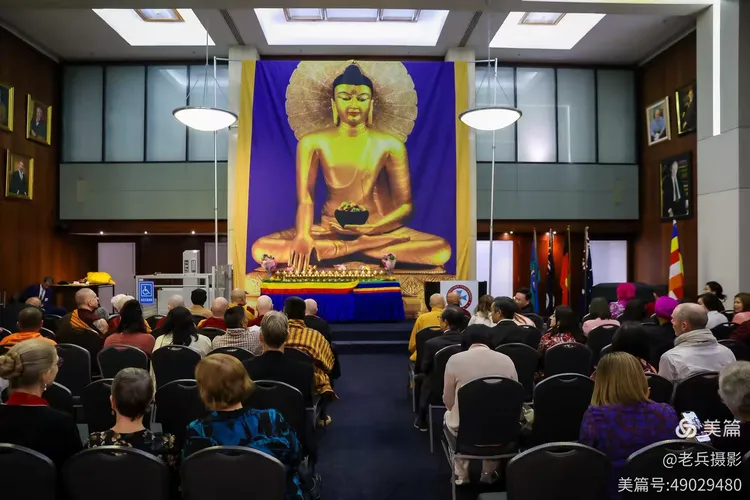
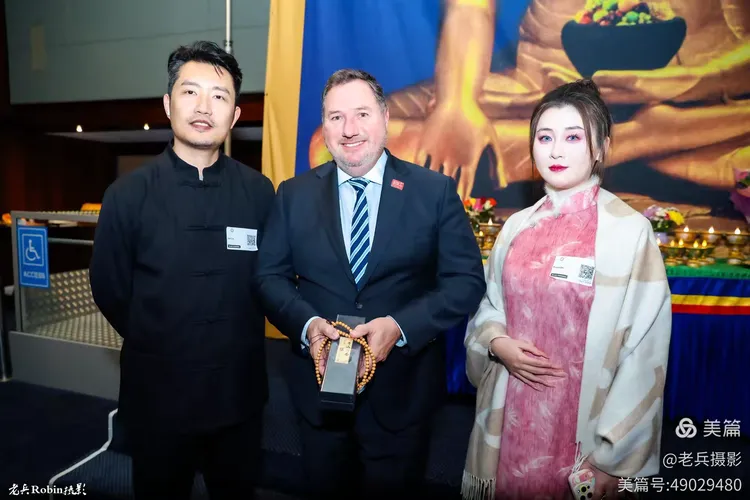
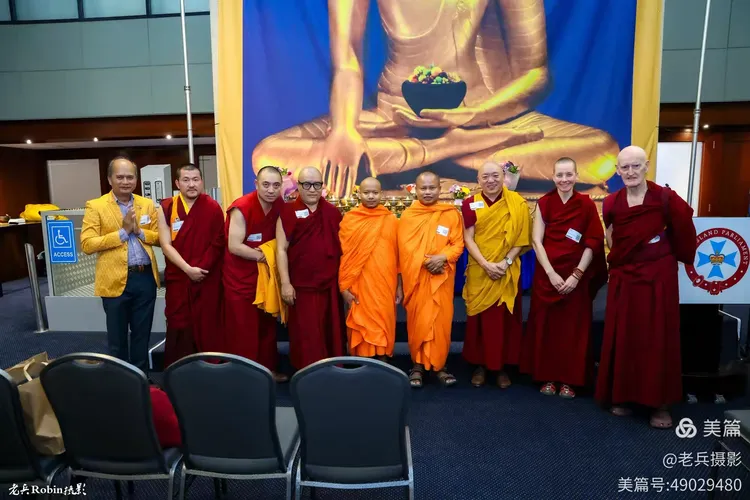
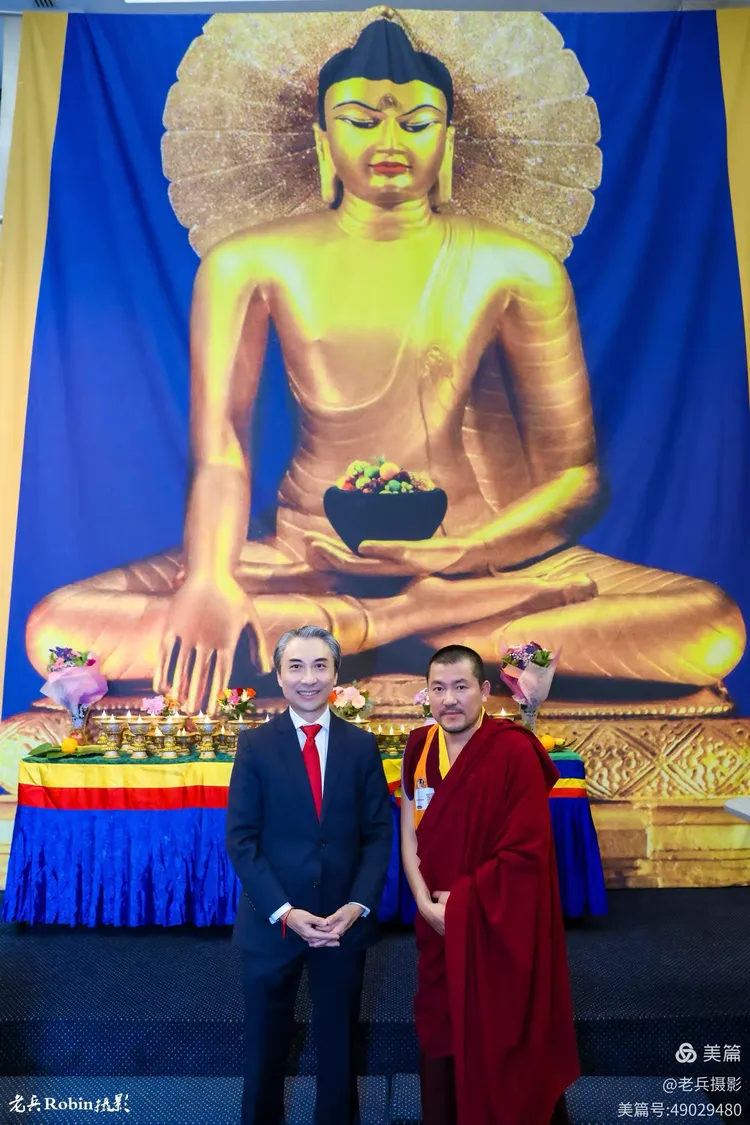
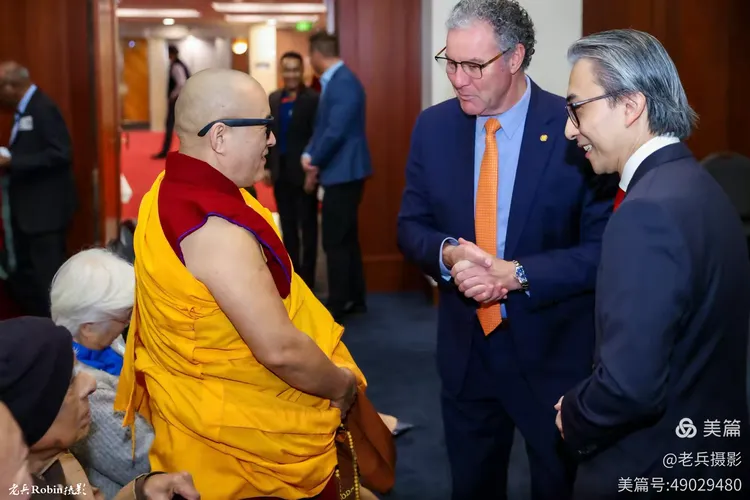
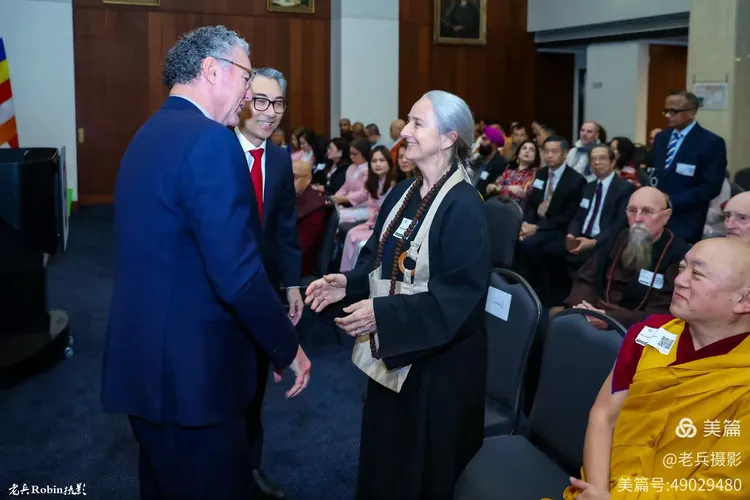
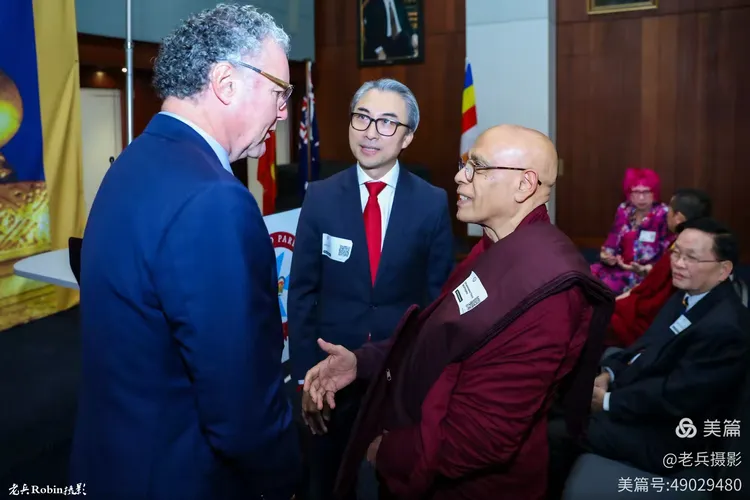
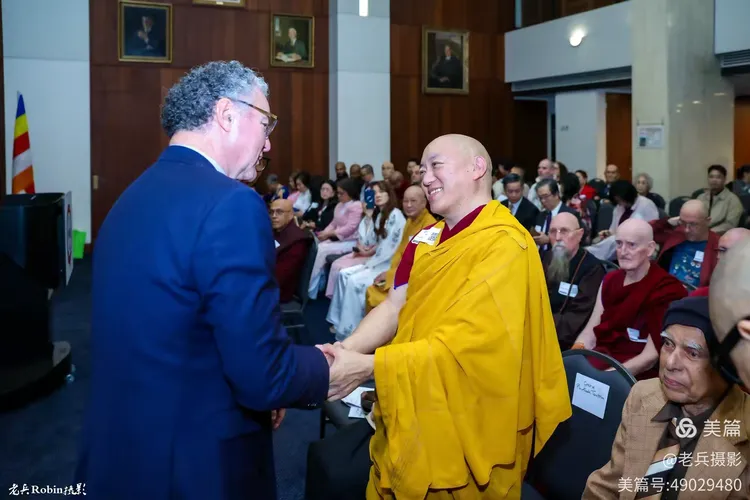
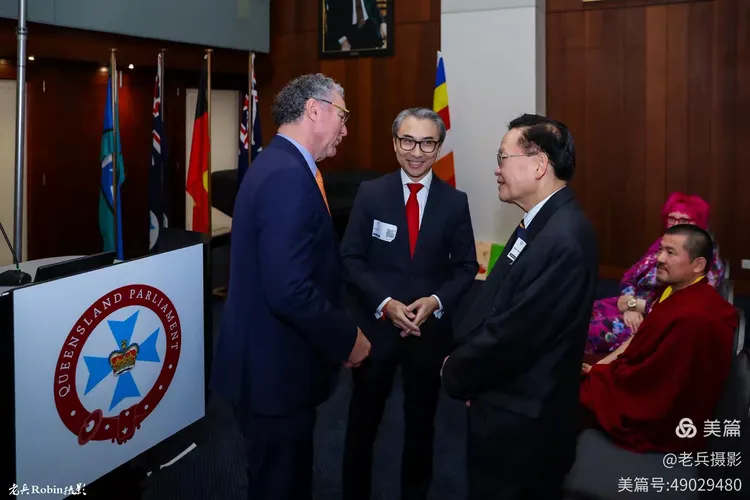
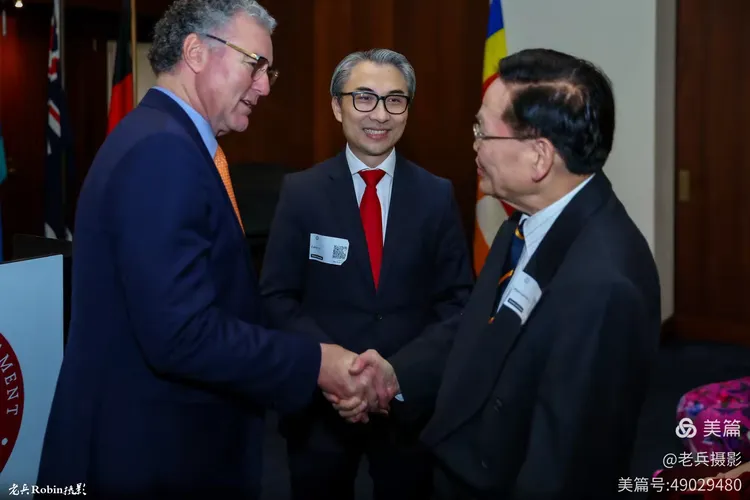
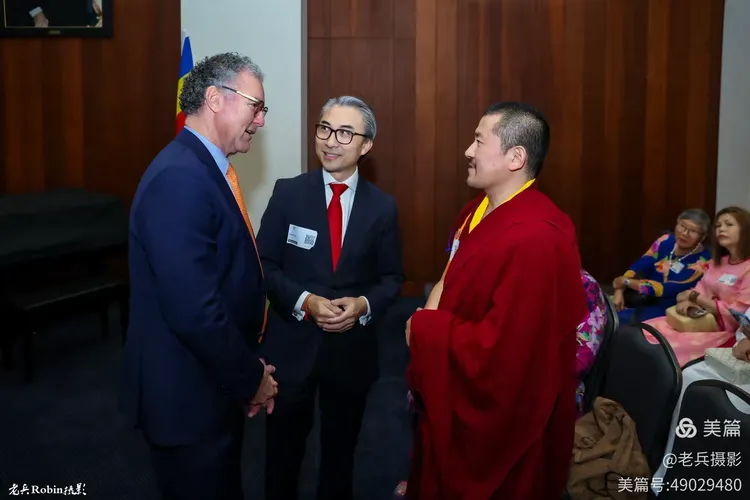
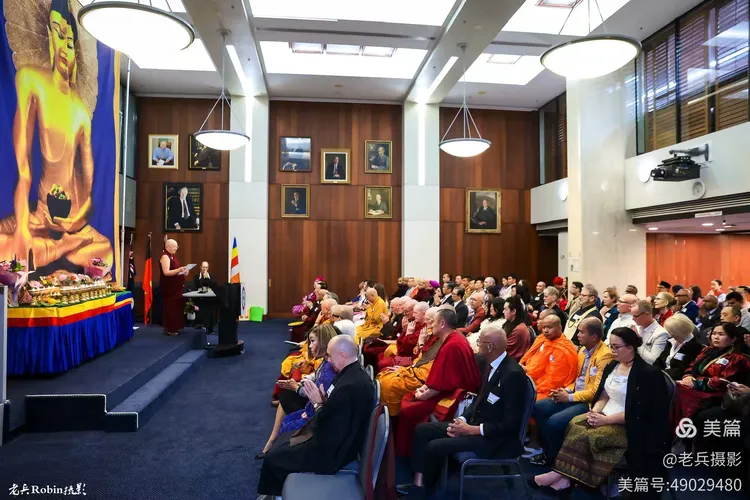
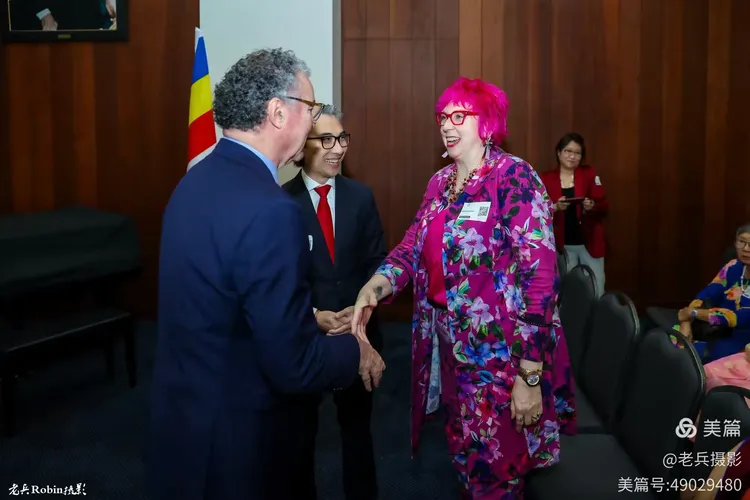
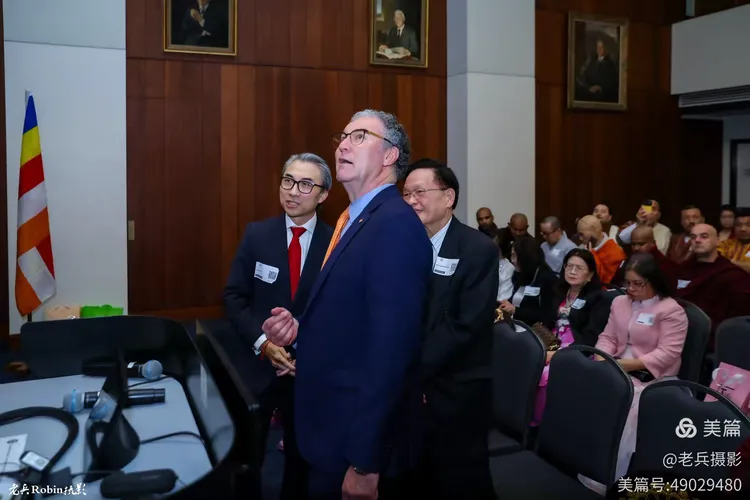
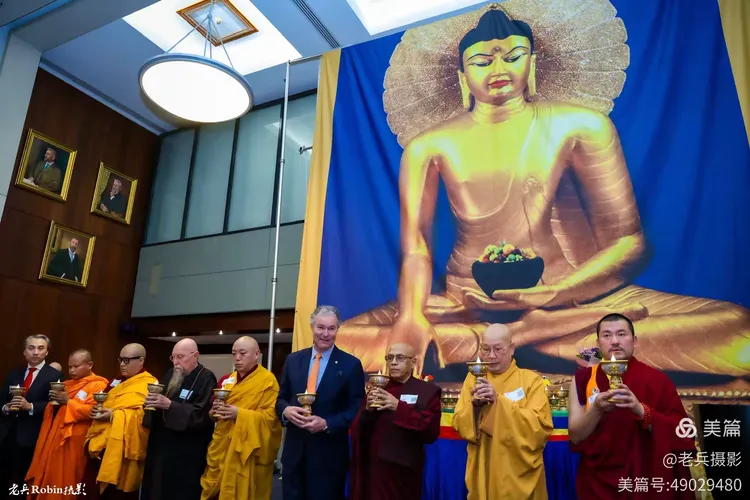
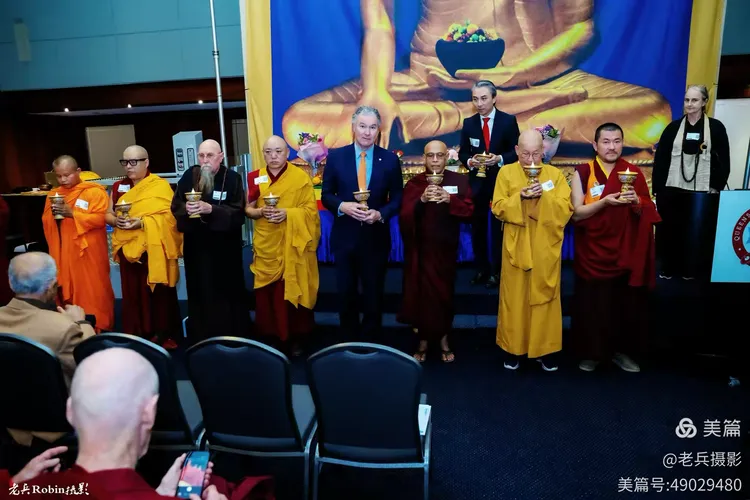
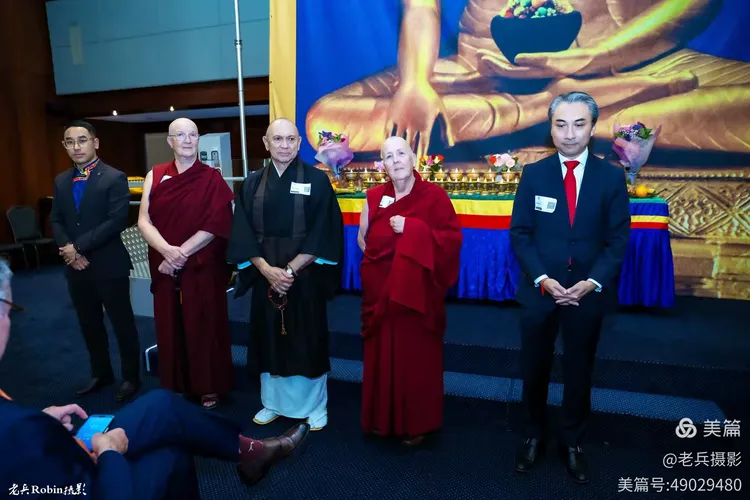
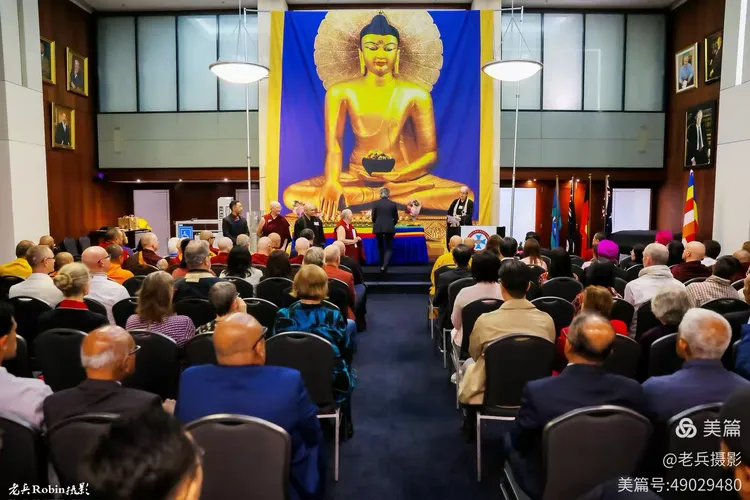
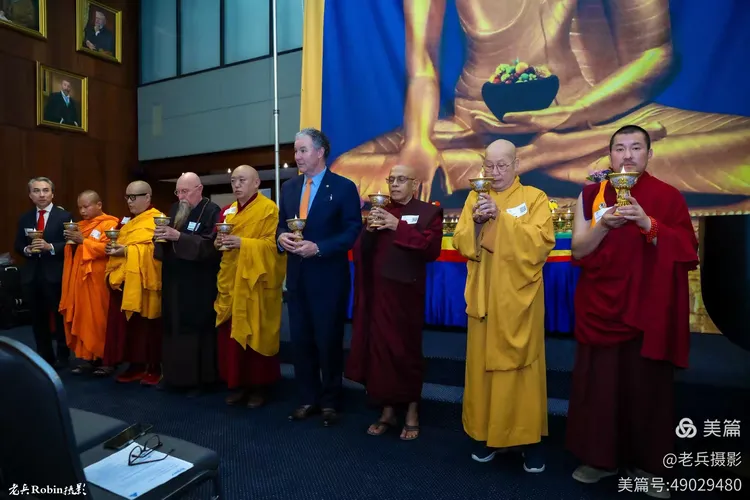
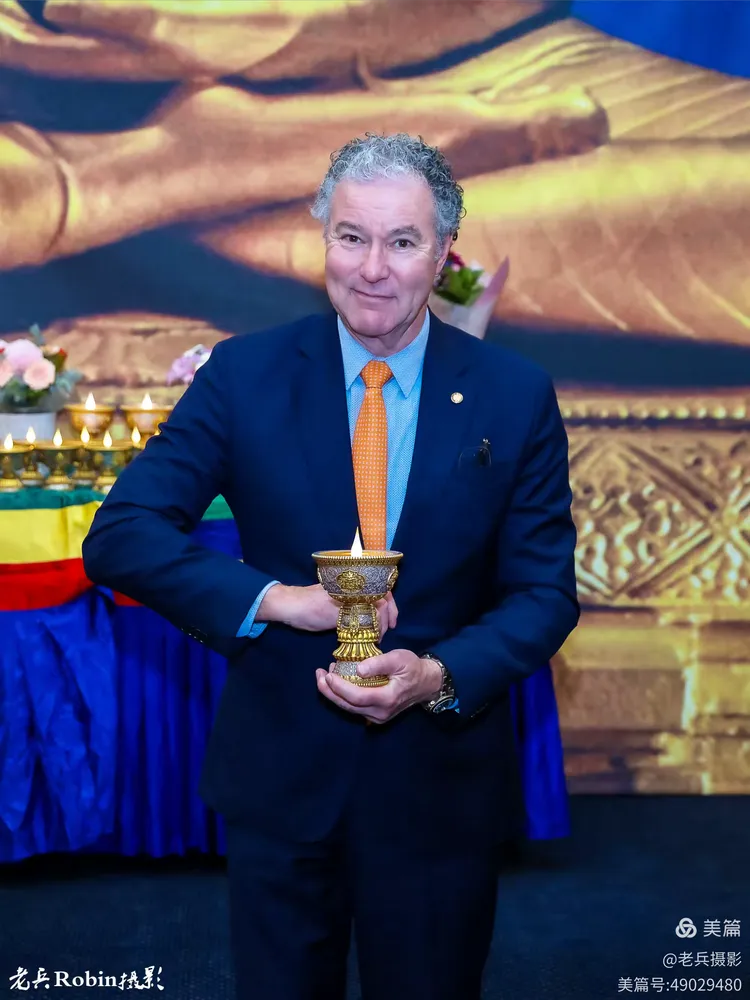
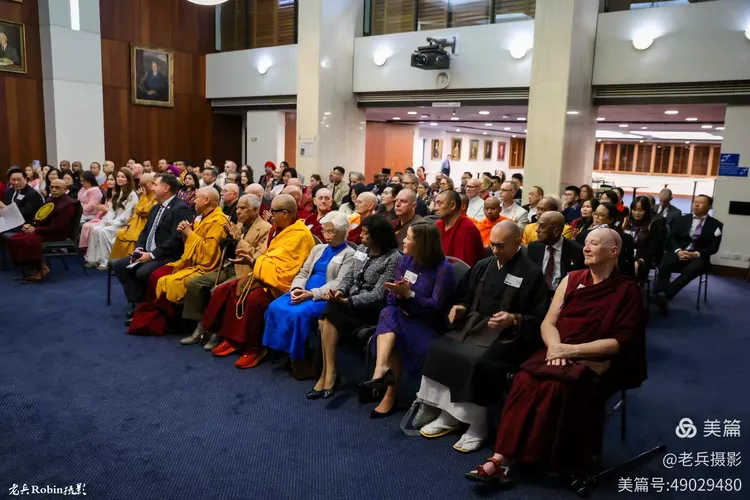
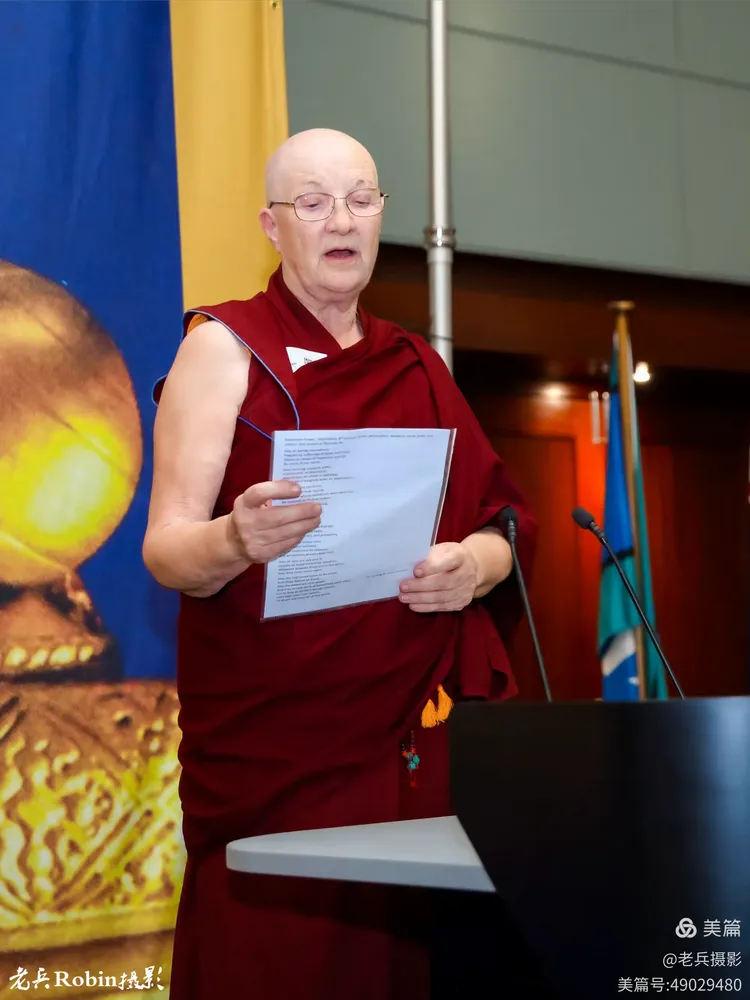
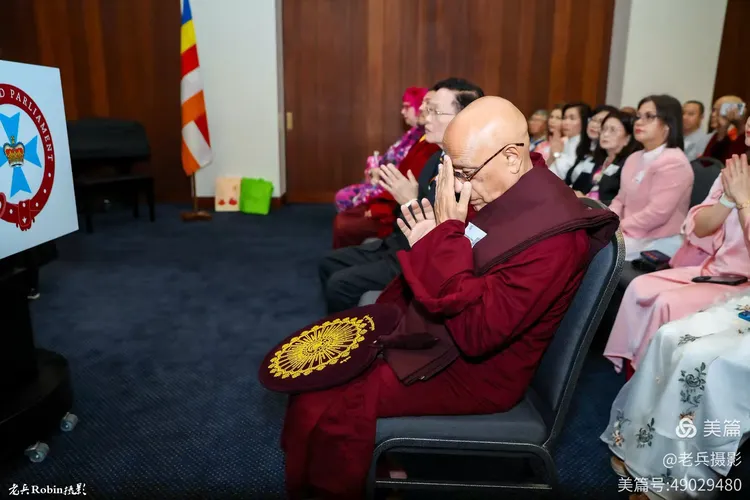
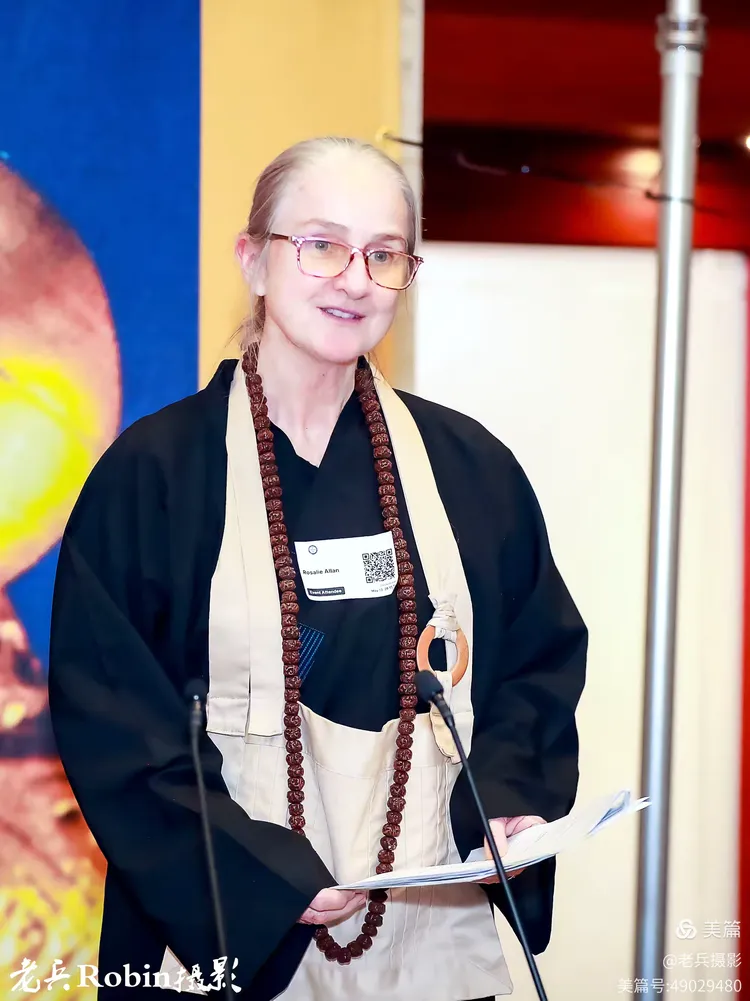
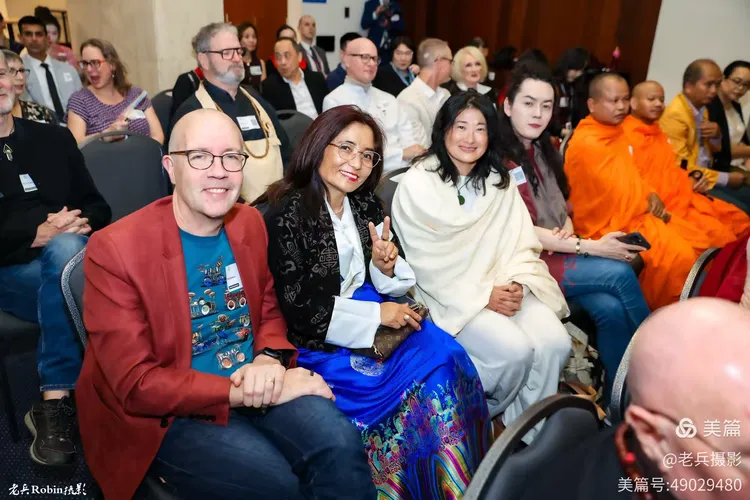
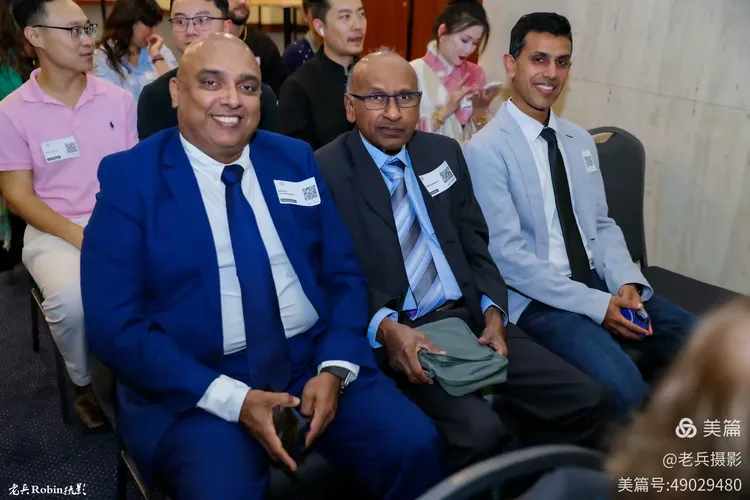
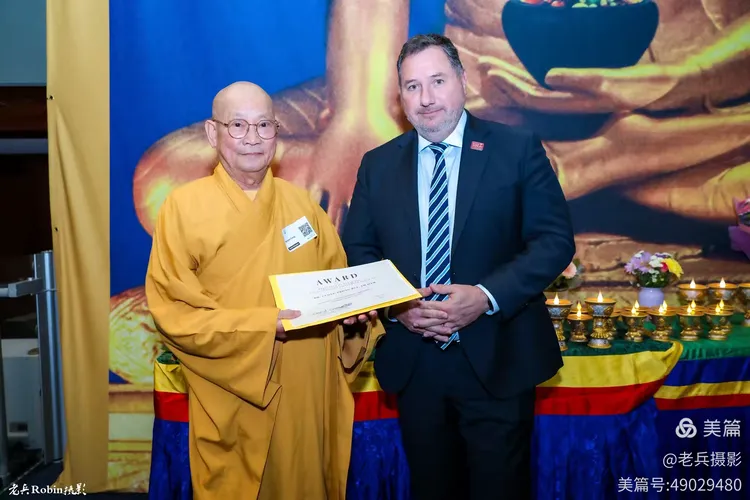
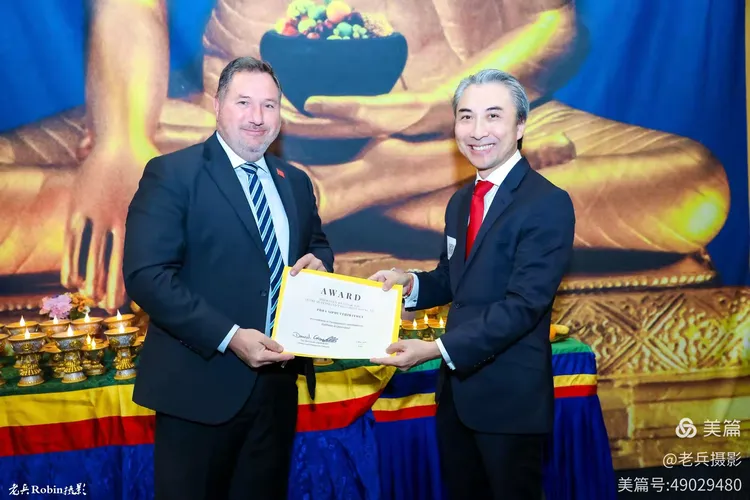
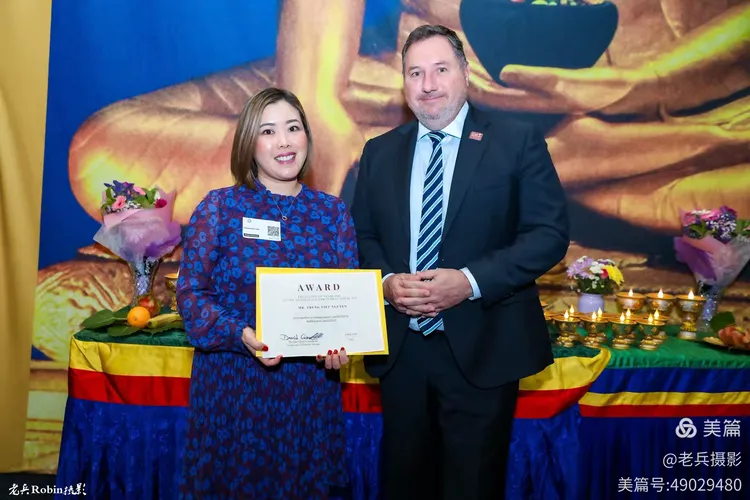
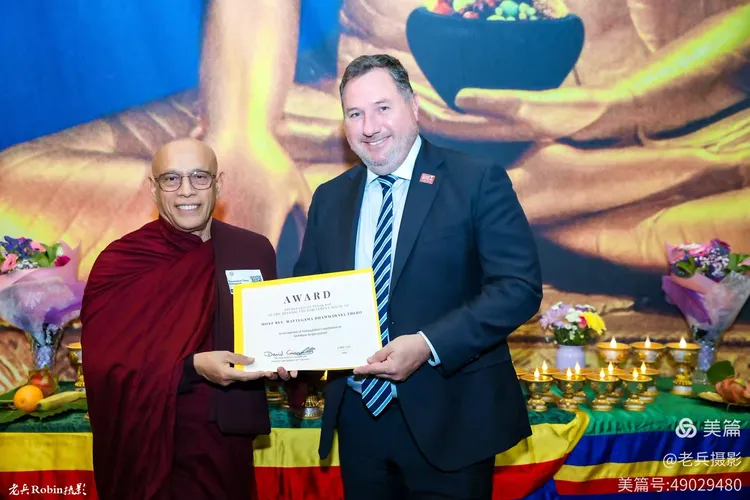
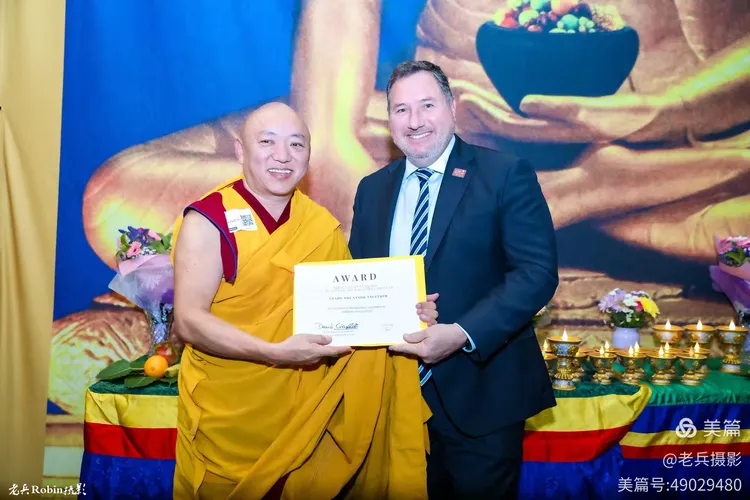
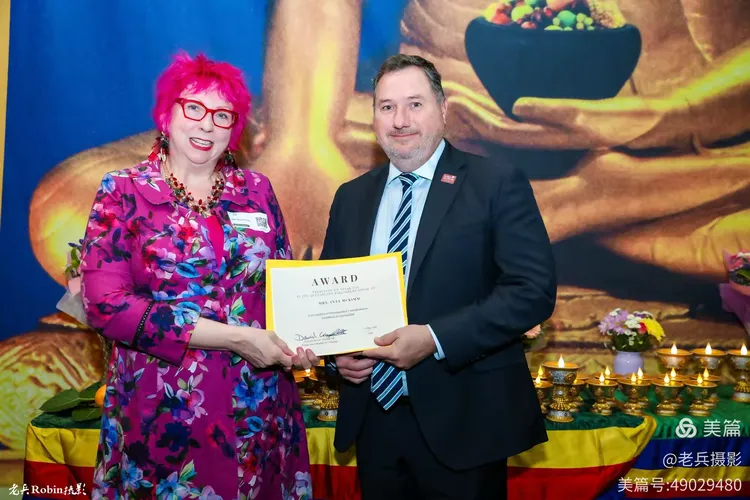
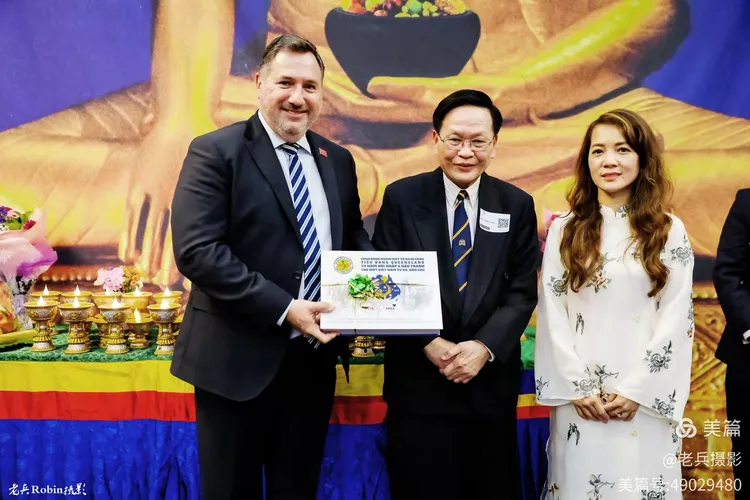
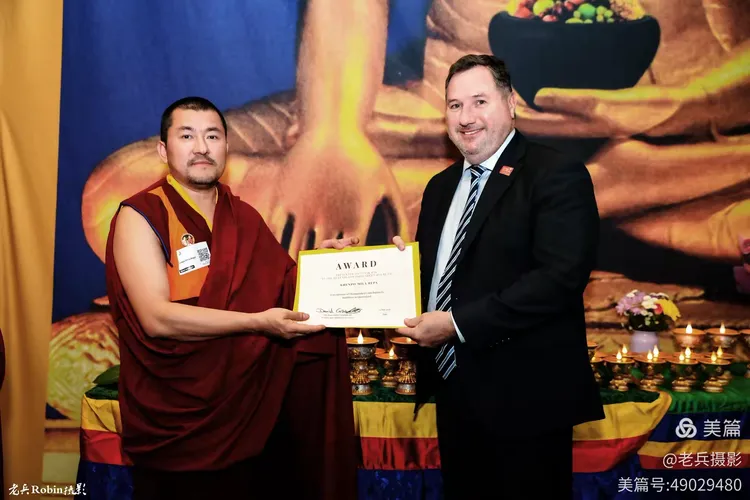
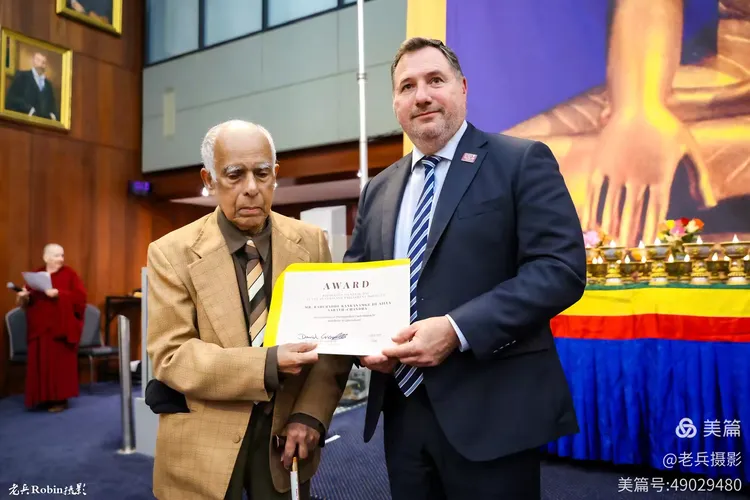
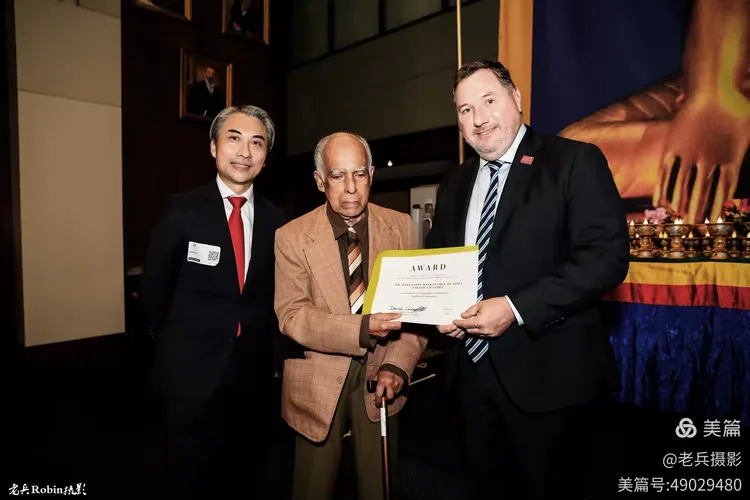
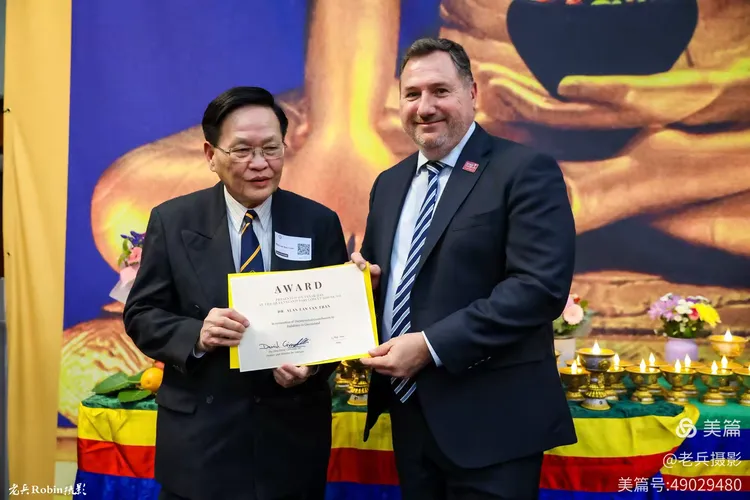
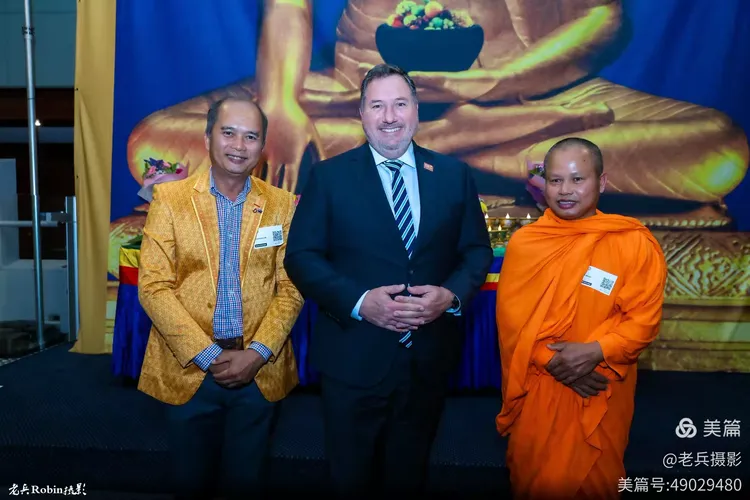
Recognising distinguished contributions to Buddhism and the Buddhist community in Queensland, on 13 May 2026 at the Queensland Parliament House Vesak Celebration, The Hon. David Crisafulli MP, Premier and Minister for Veterans, presented awards to the following individuals whose lives have embodied the Buddhist values of compassion, service, humility, and dedication to community.
Loading…
Gallery
Browse photos from BCQ events and celebrations.
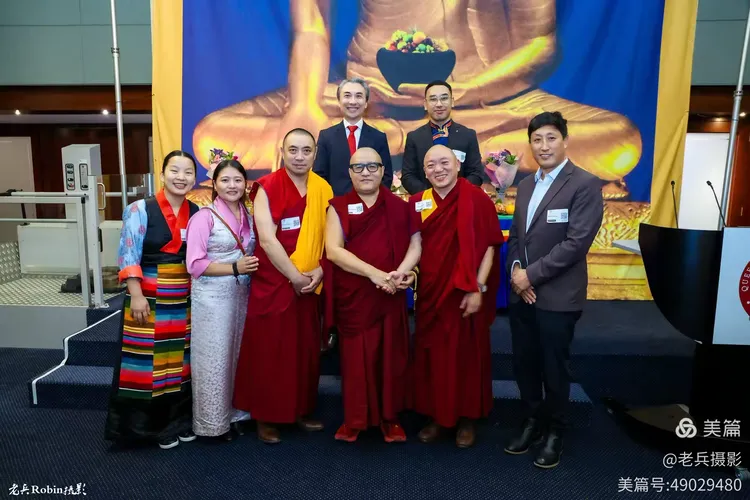
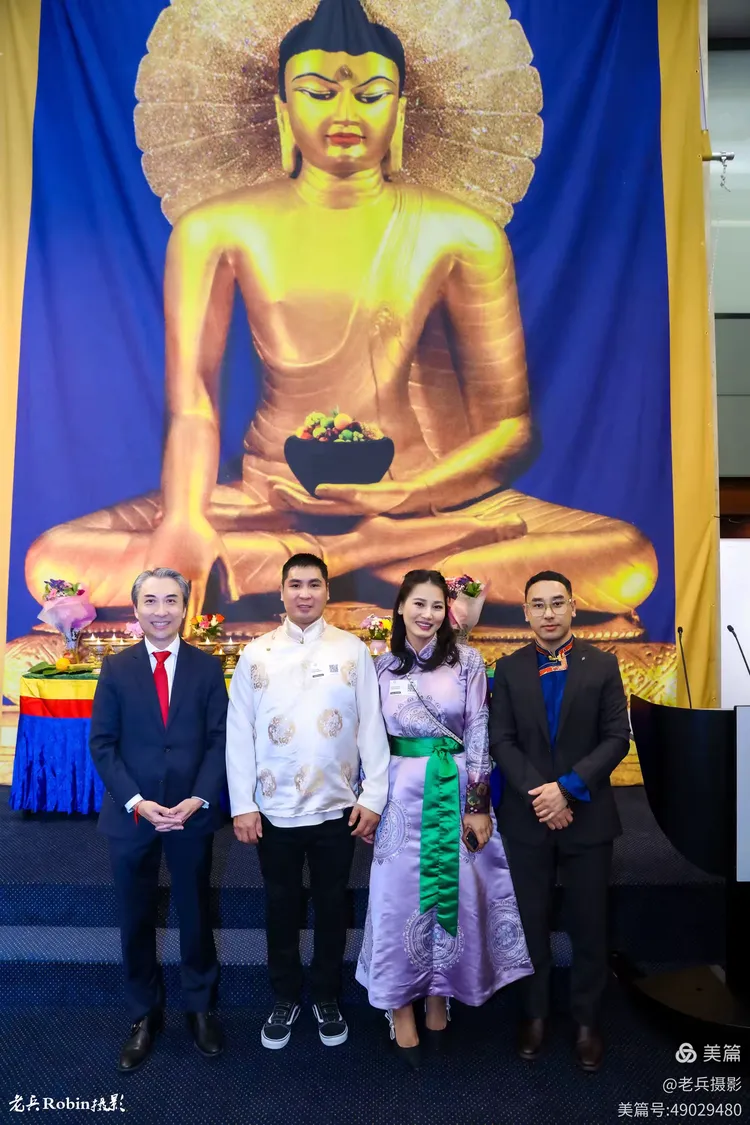
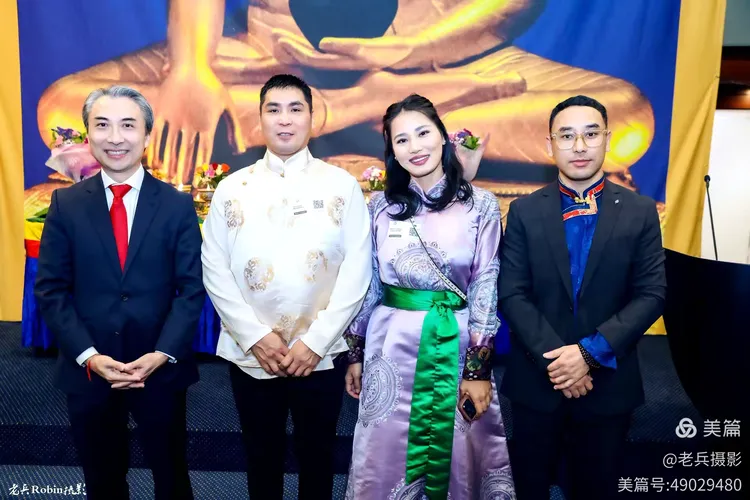
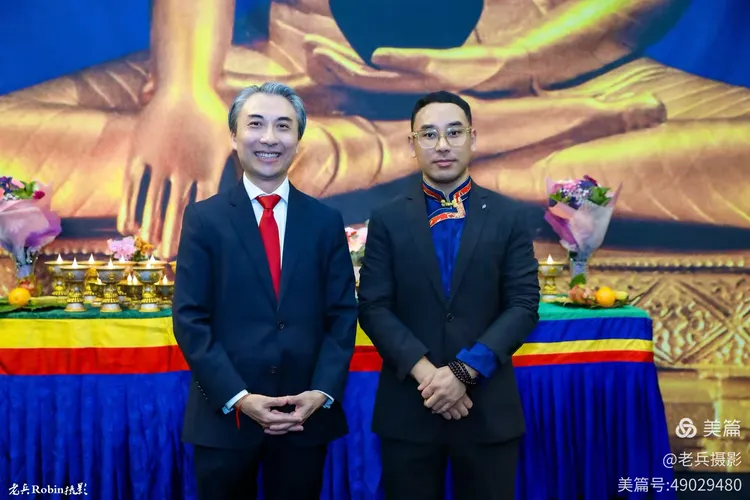
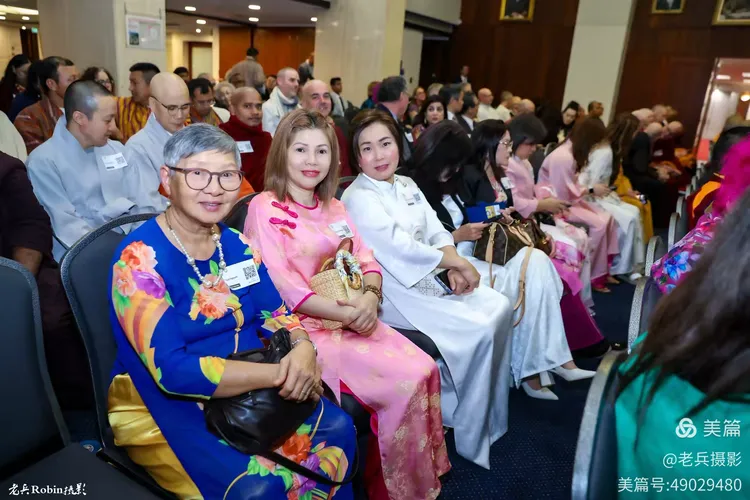
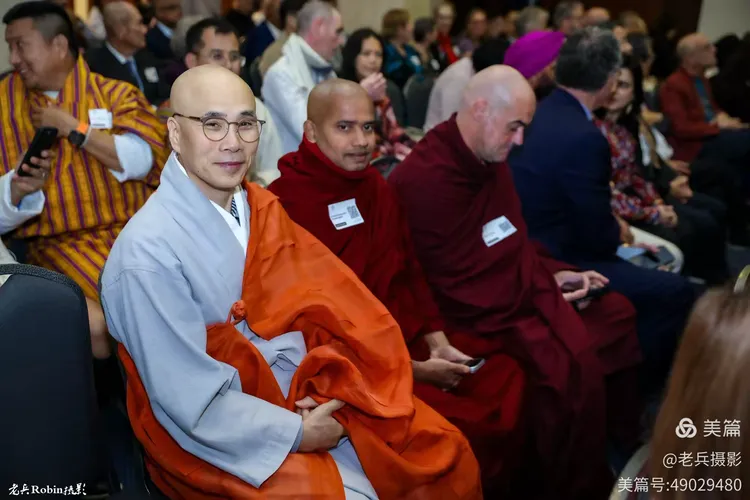
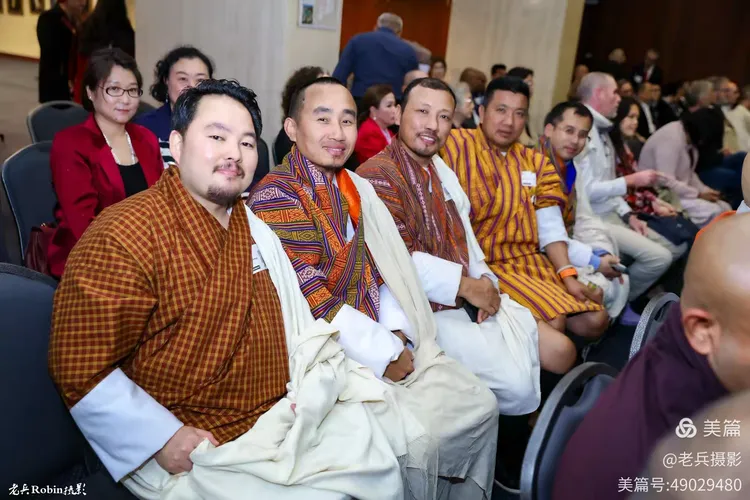
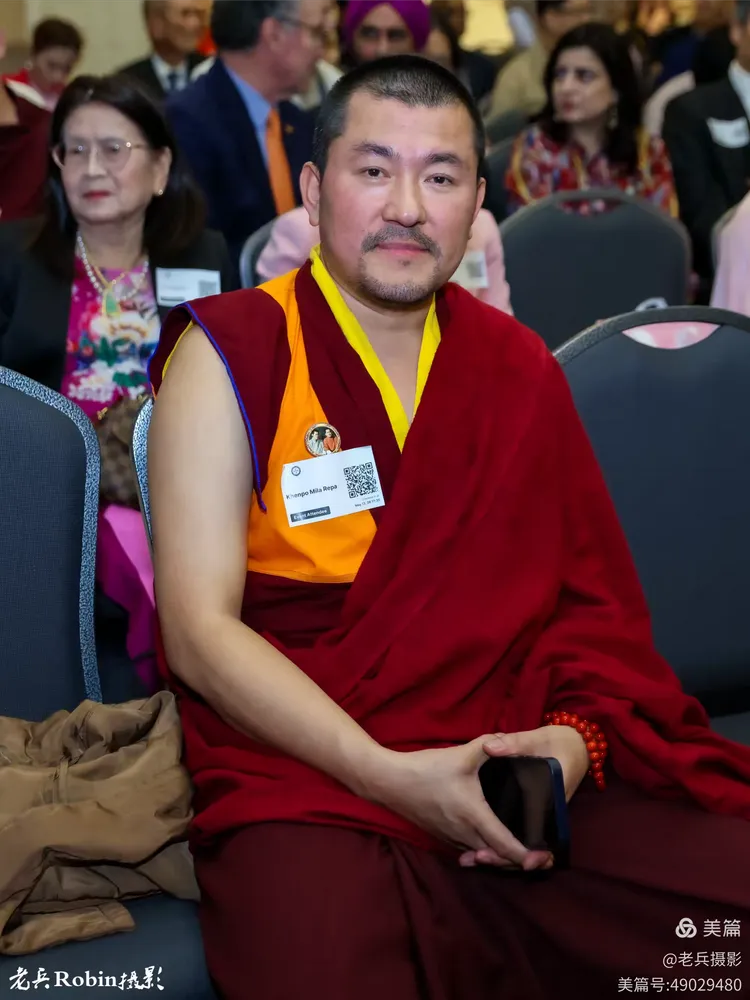
Vesak Day 2026
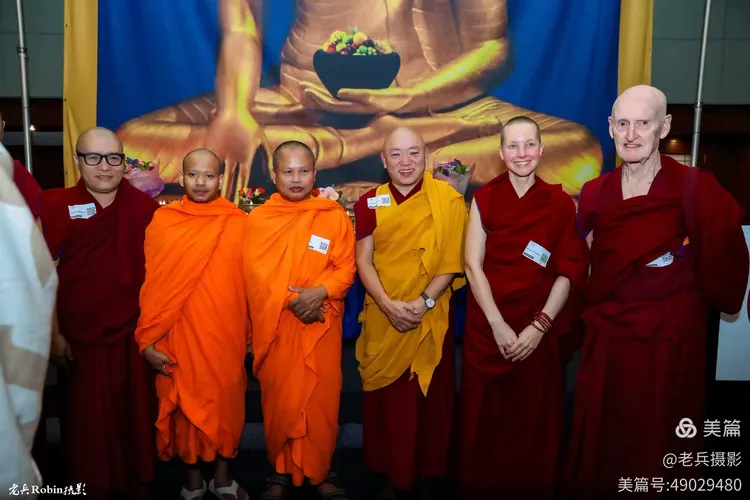
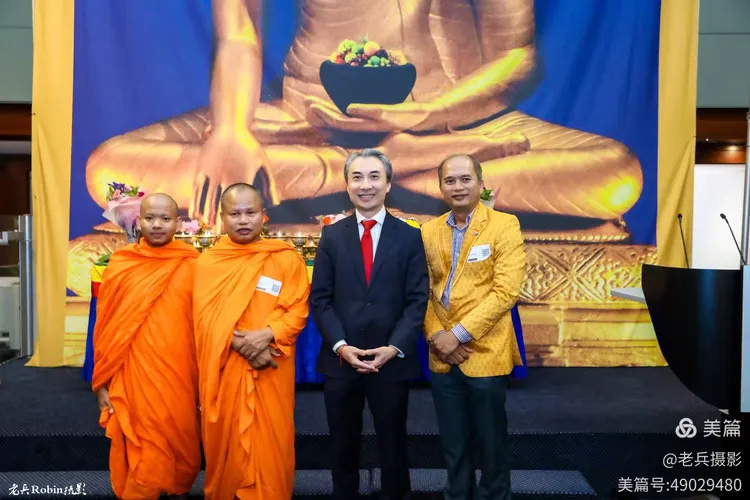
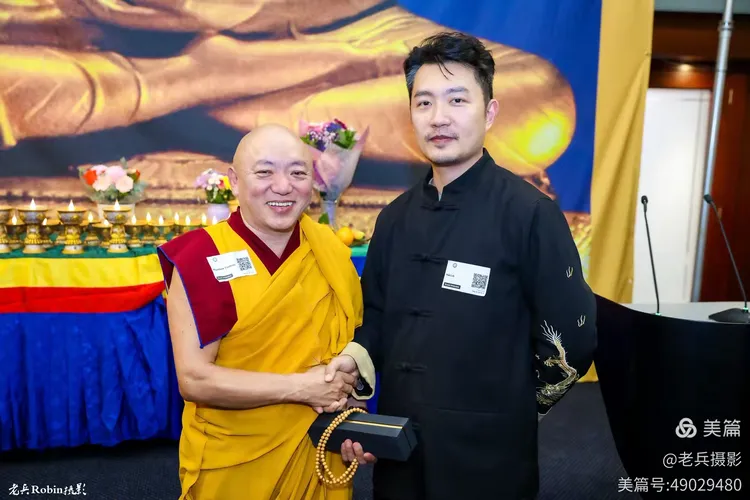
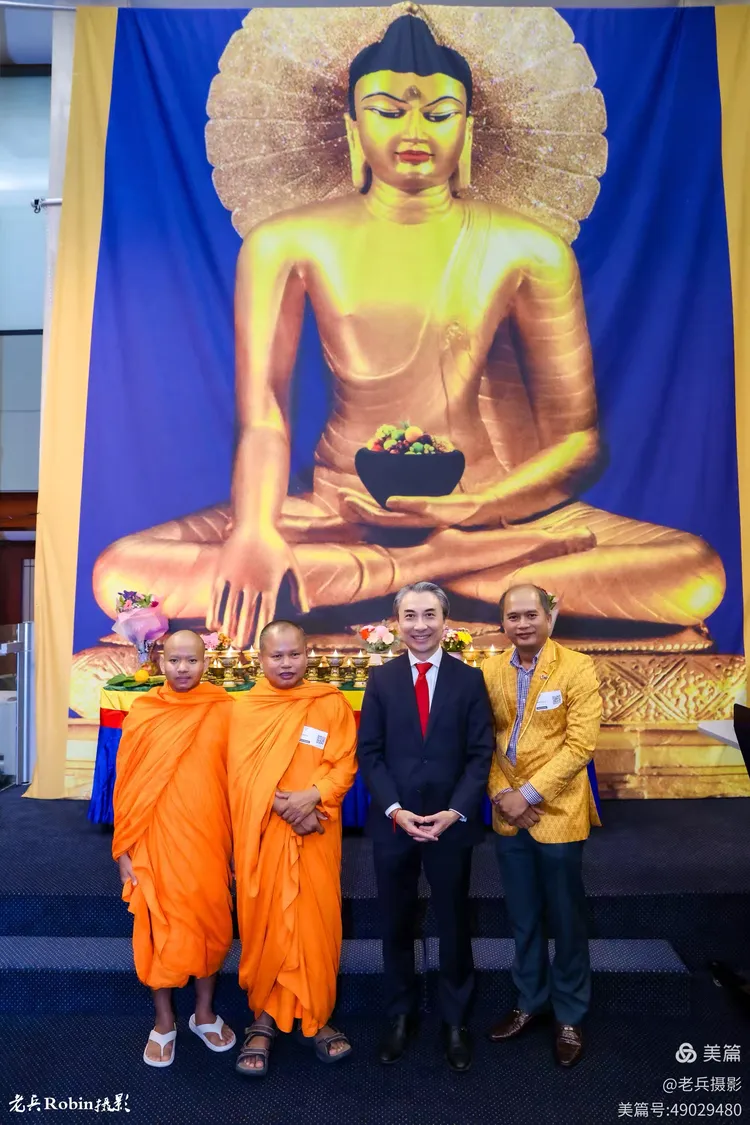
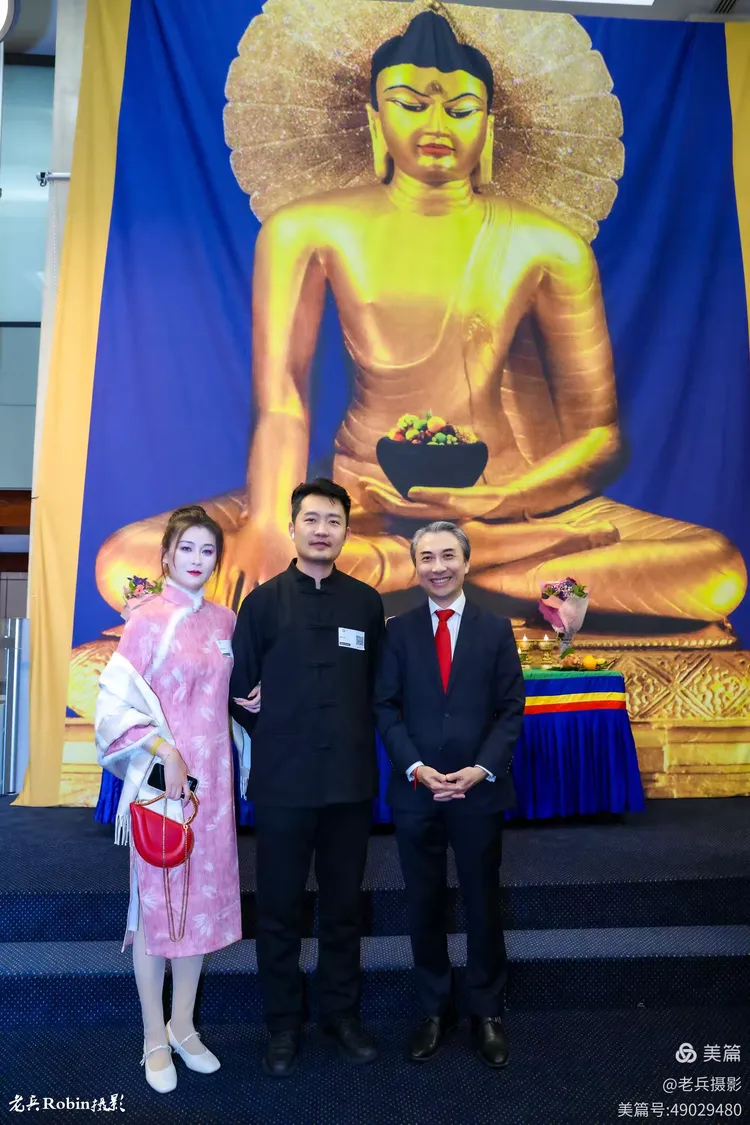
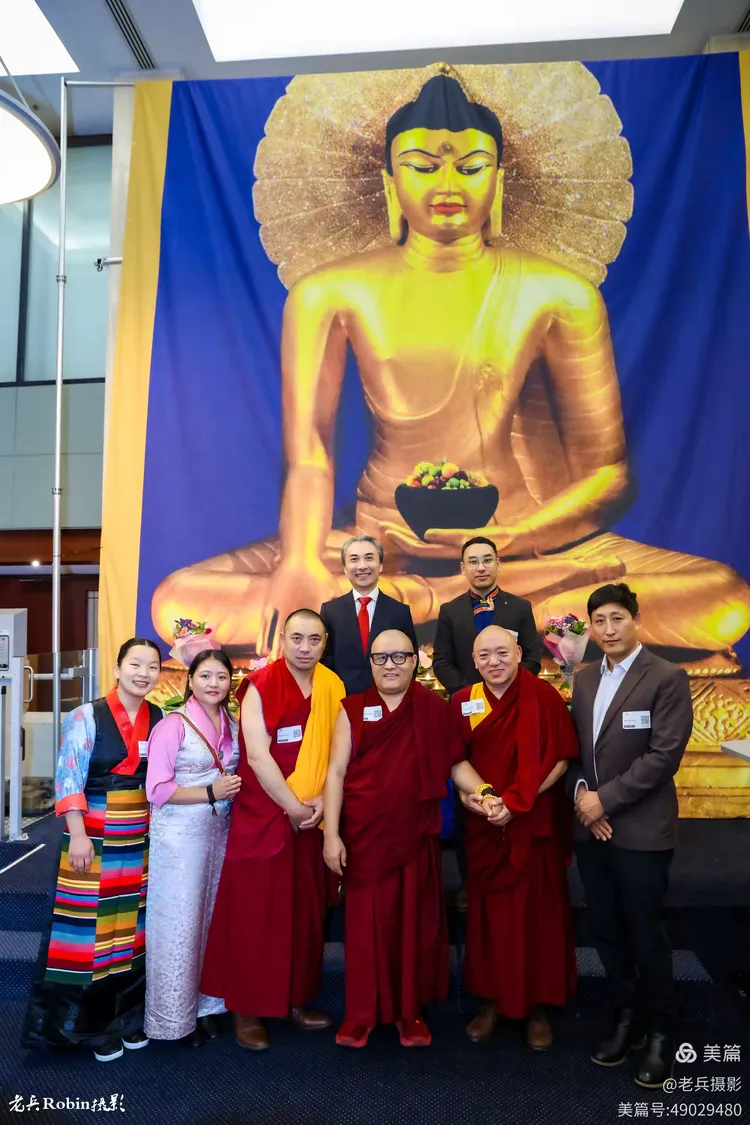
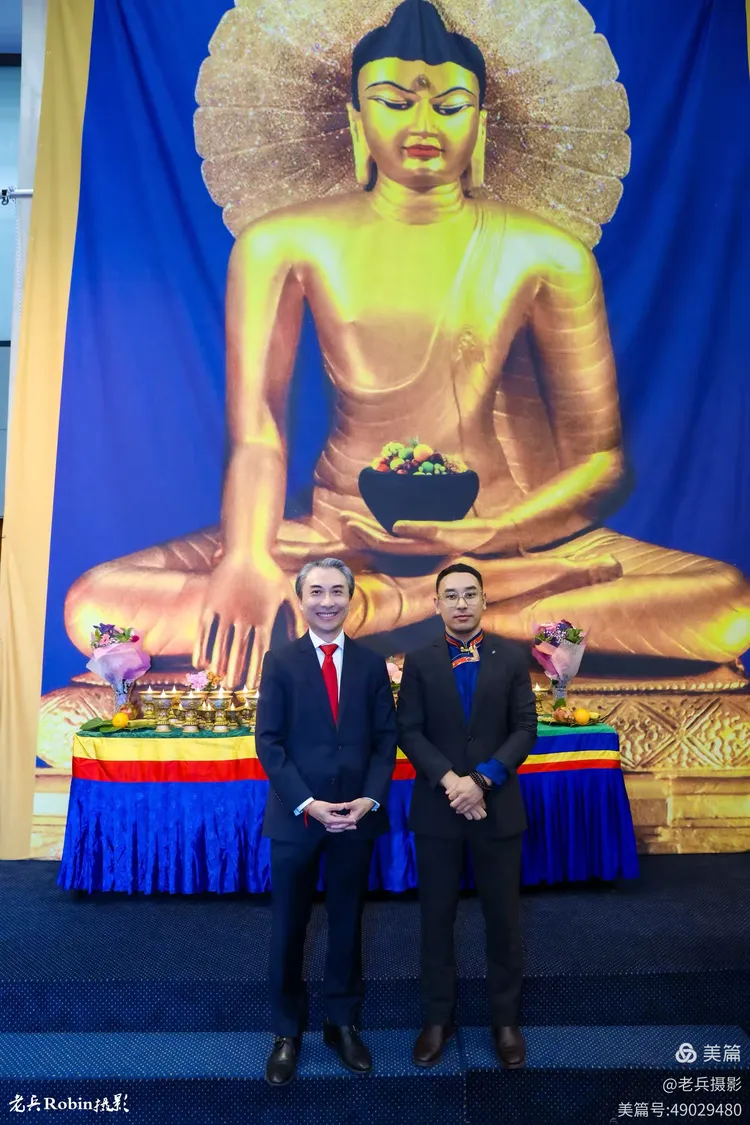
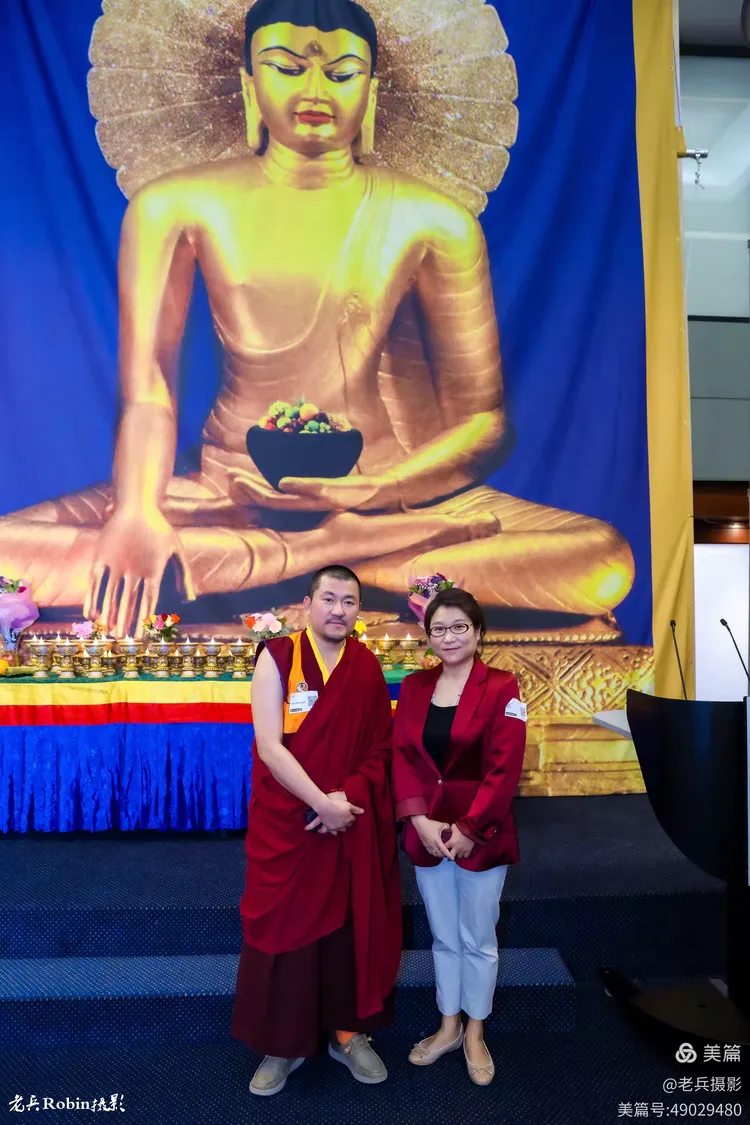
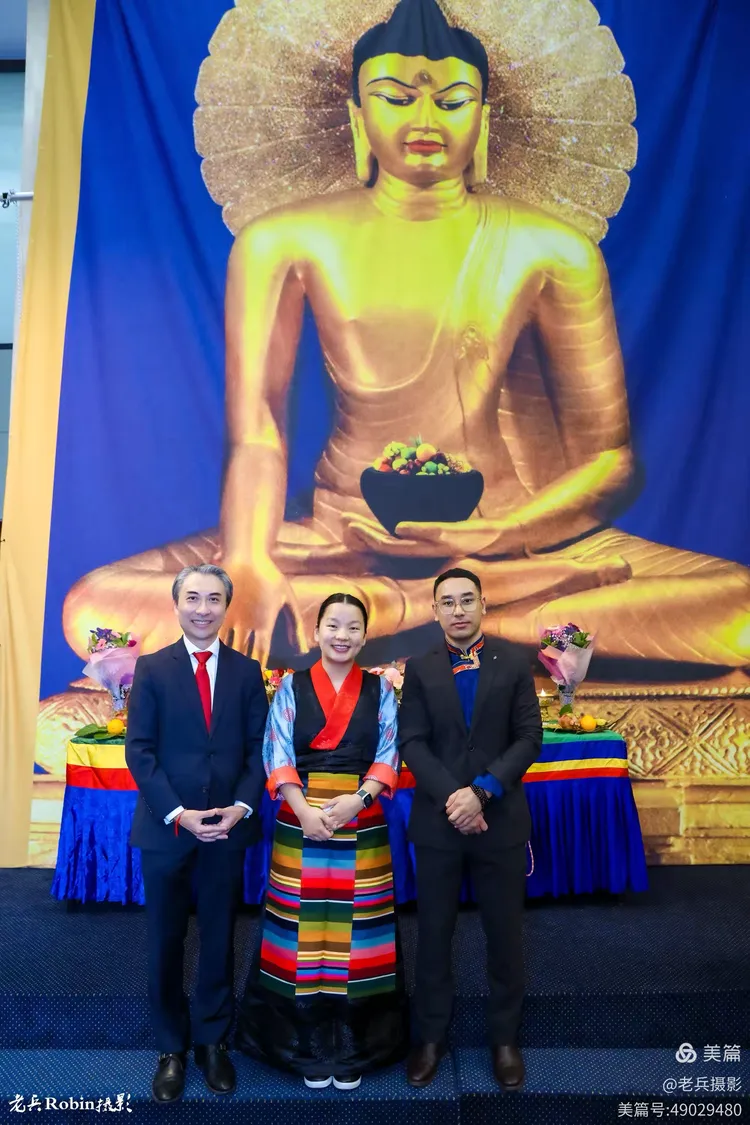
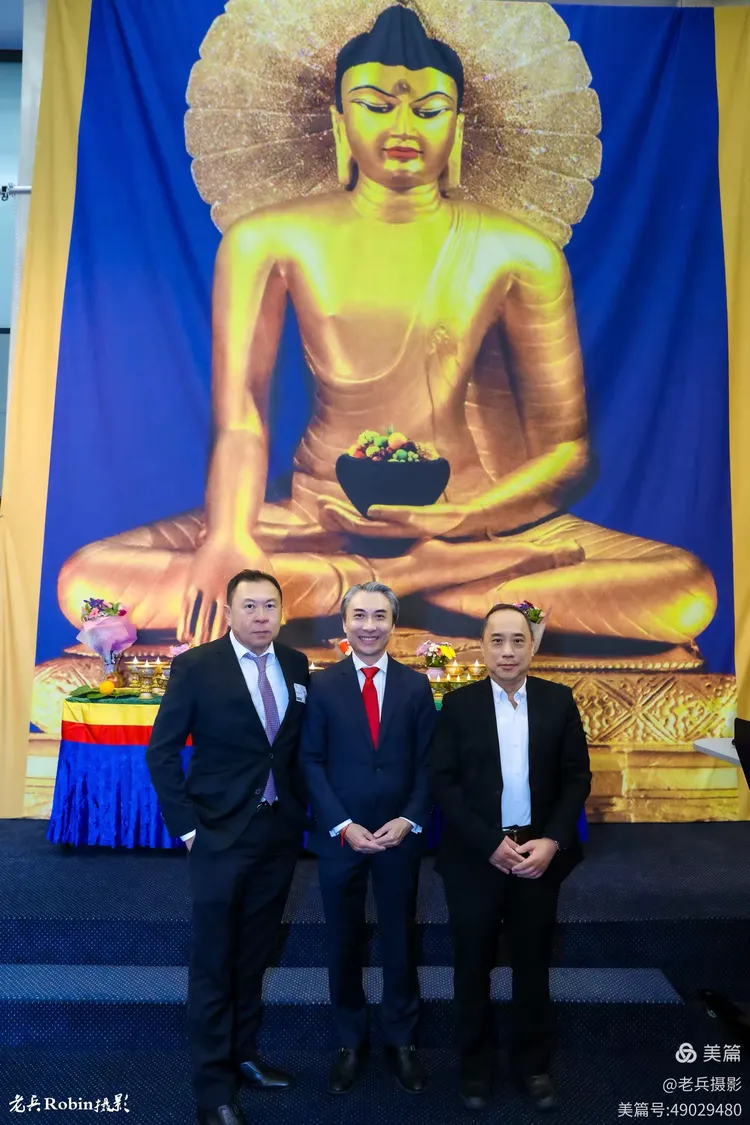
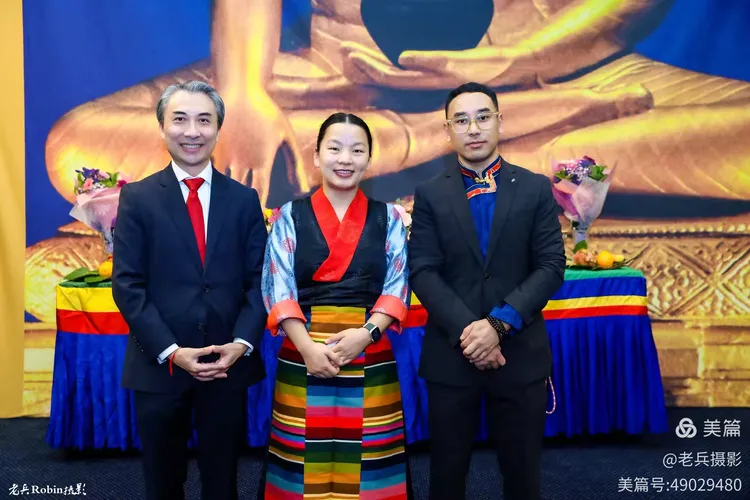
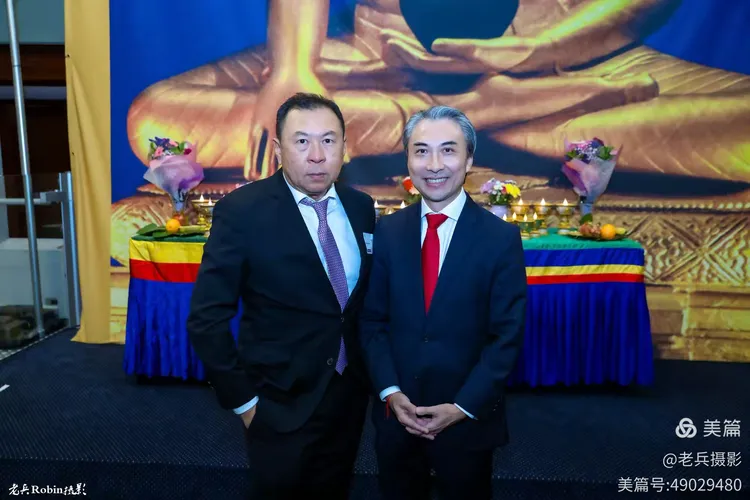
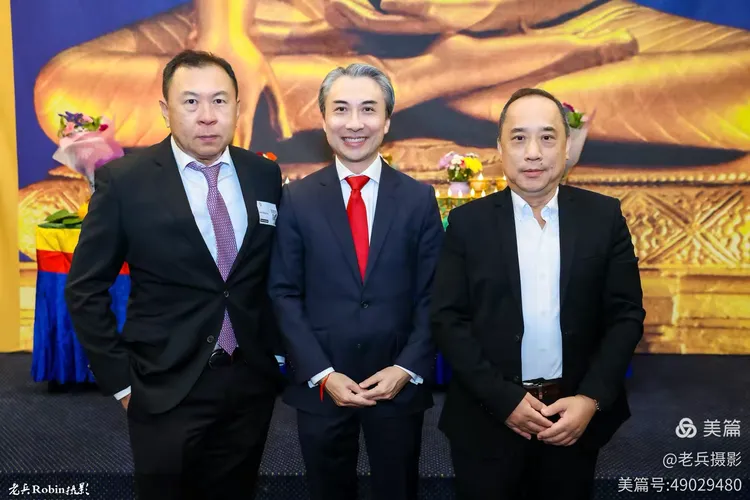
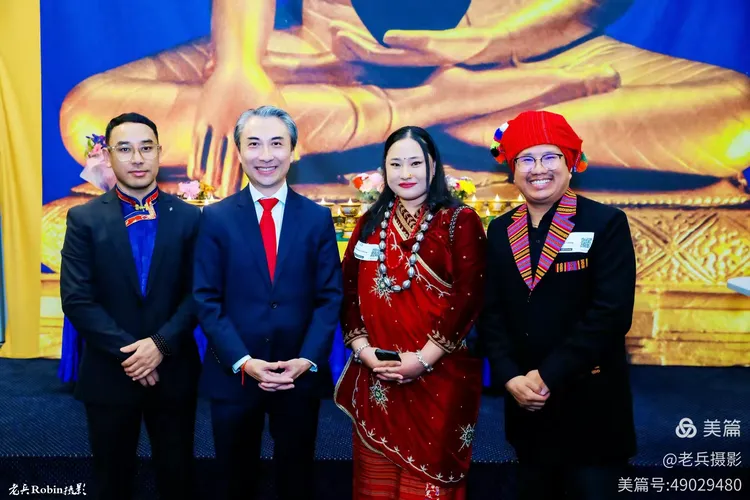
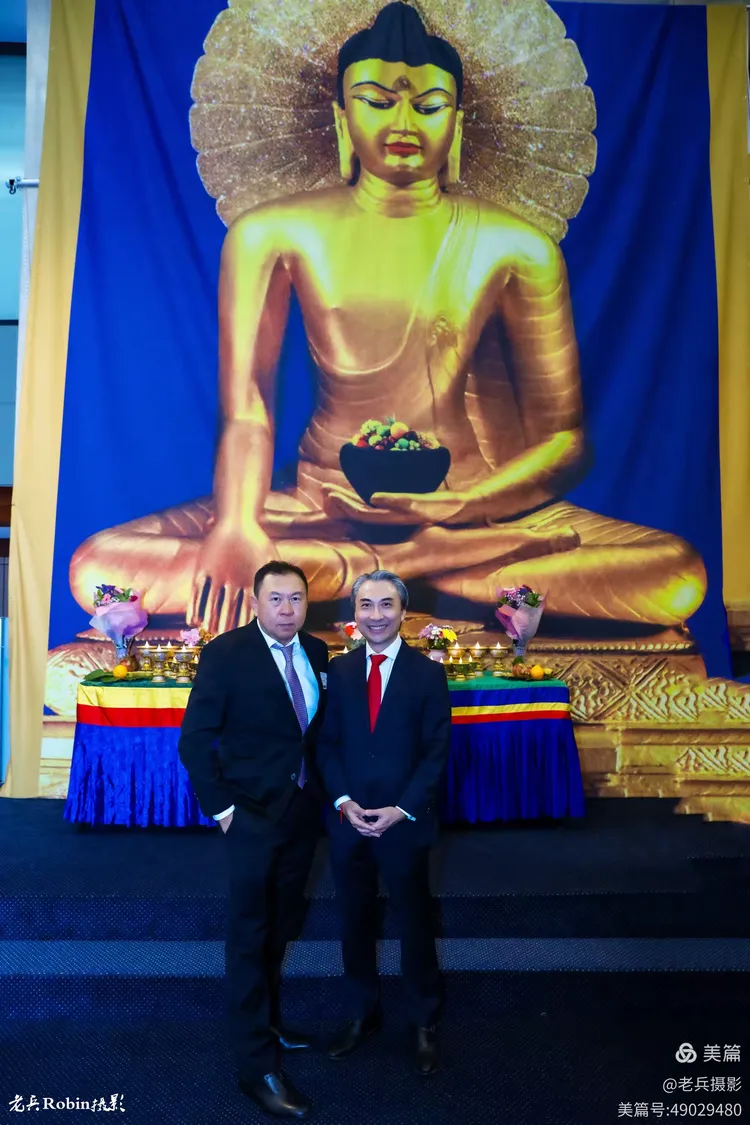
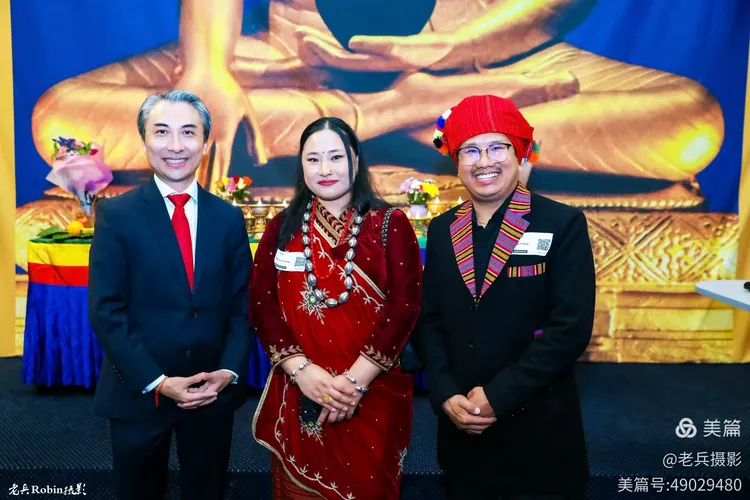
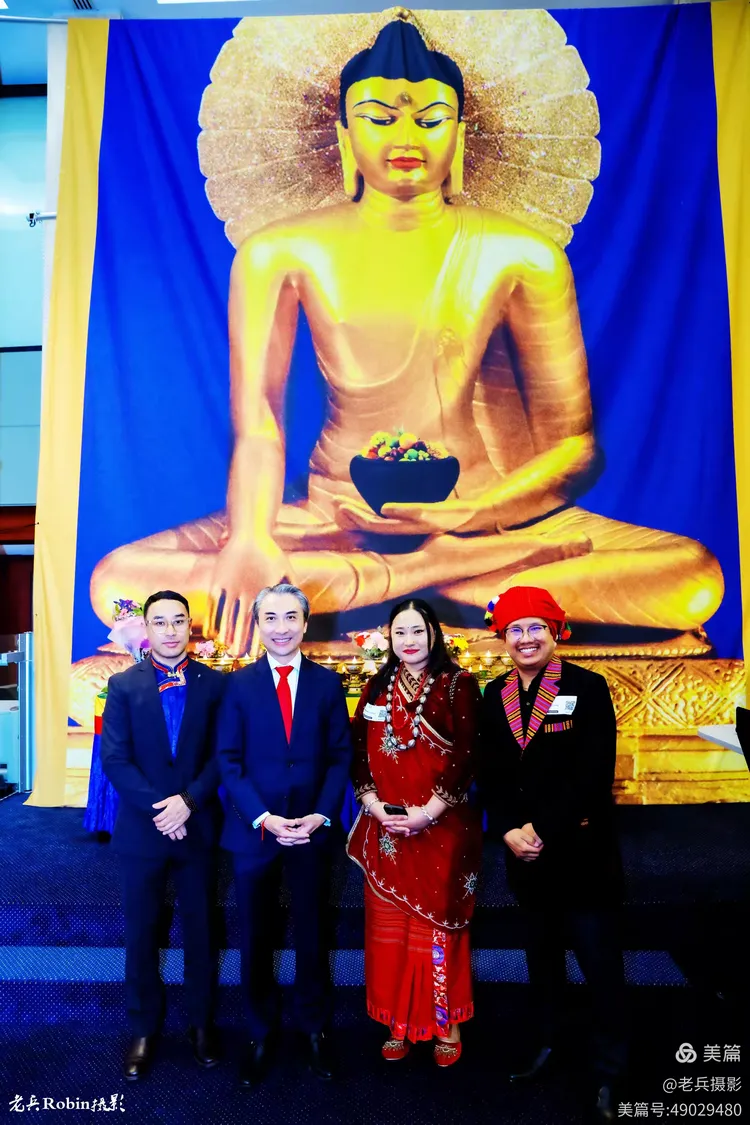
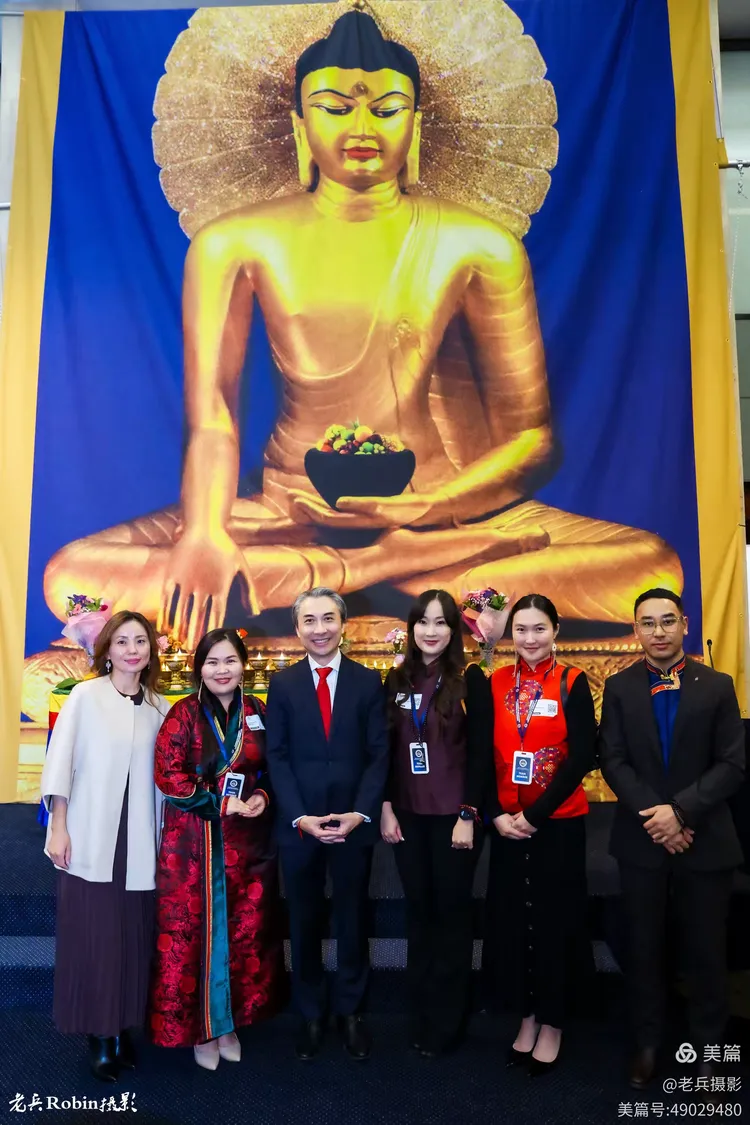
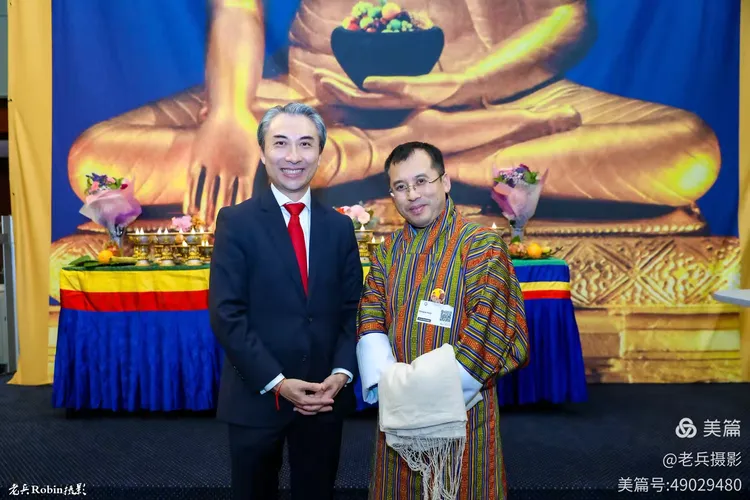
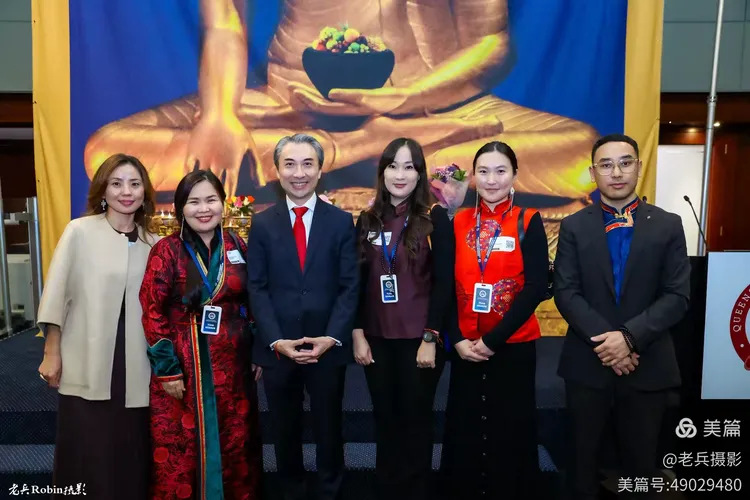
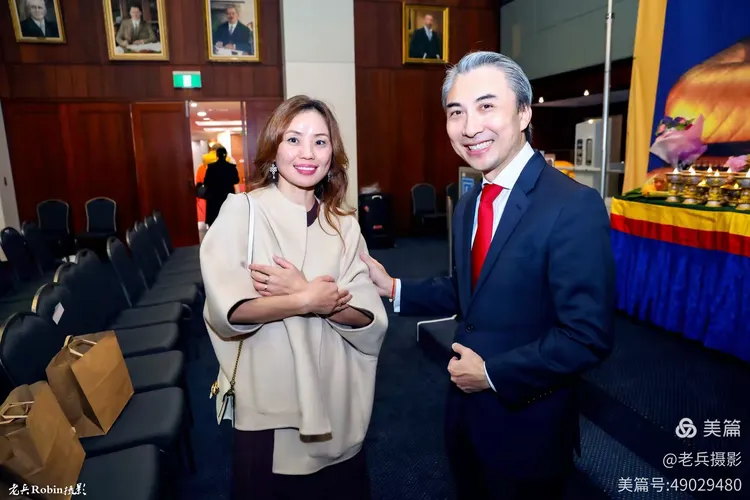
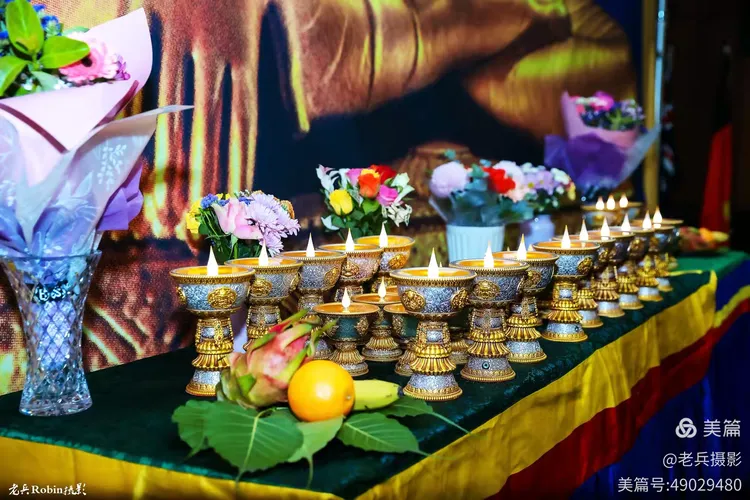
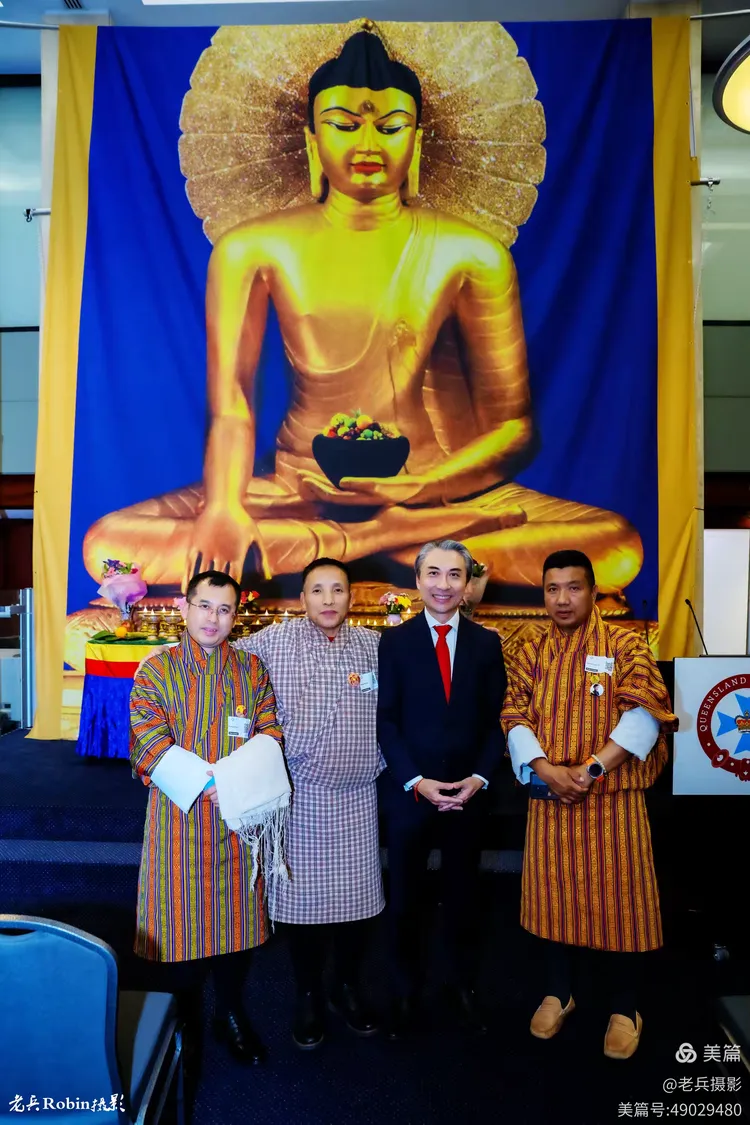
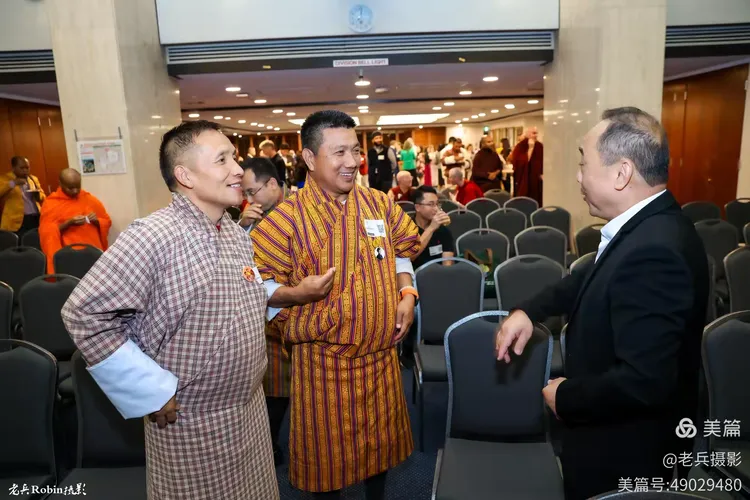
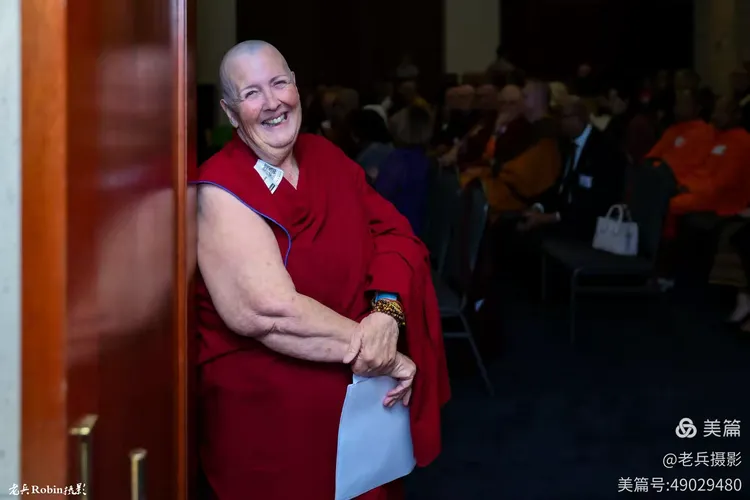
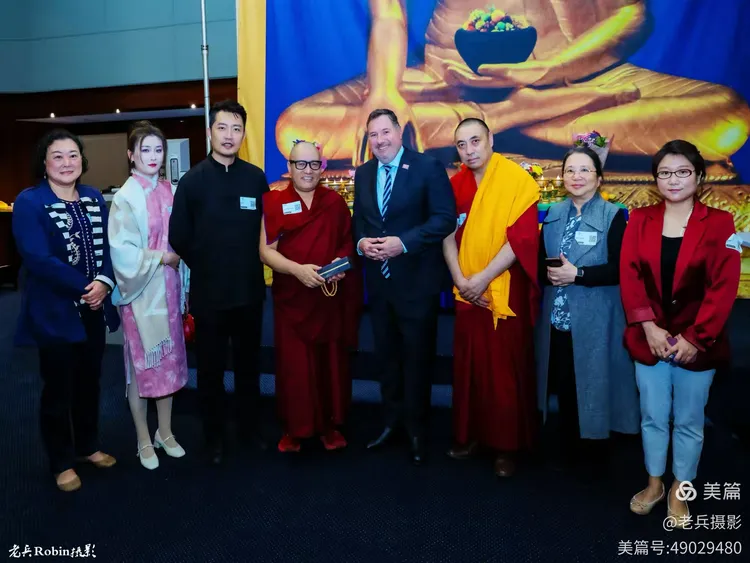
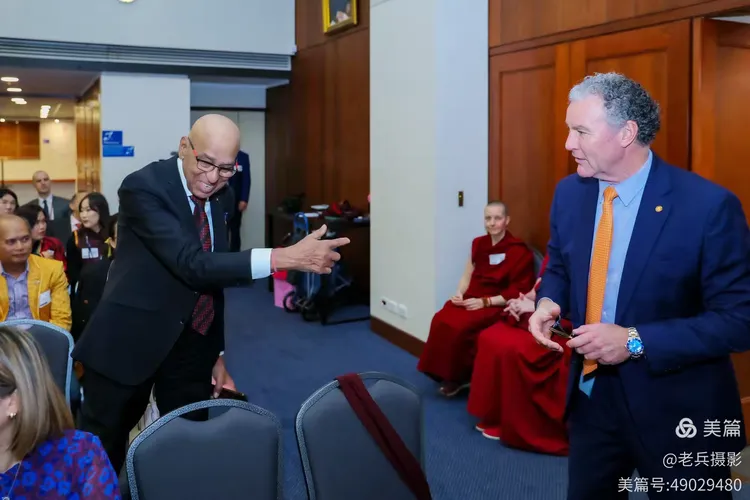
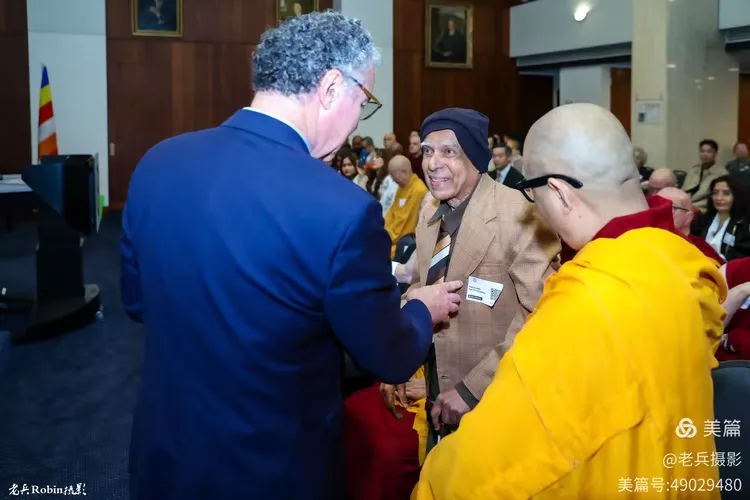
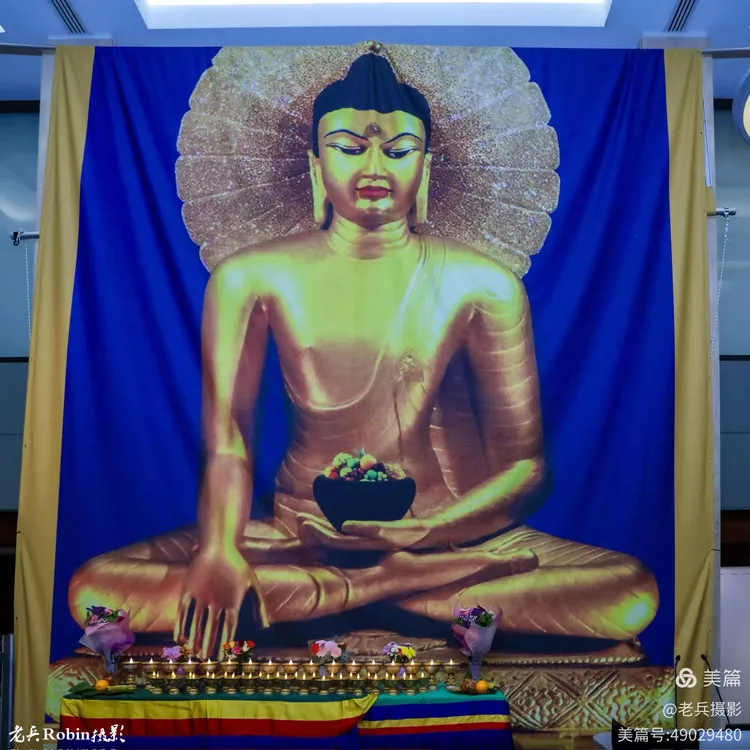
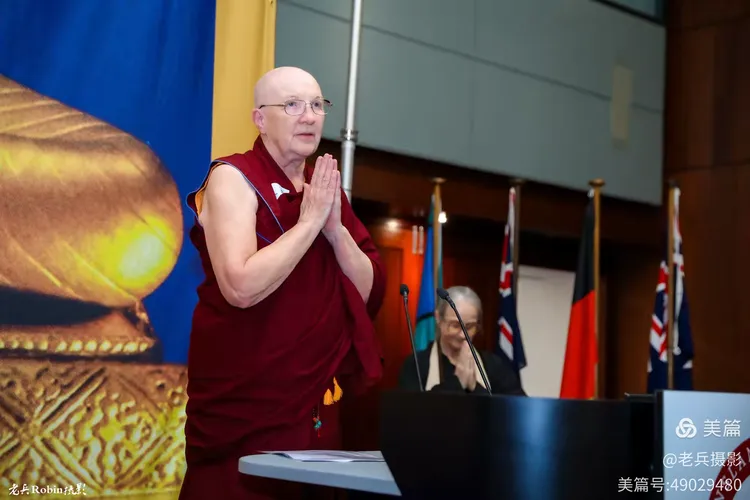
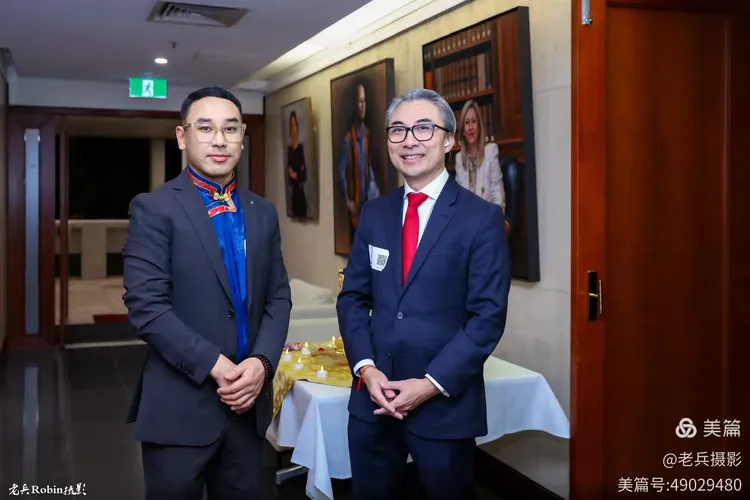
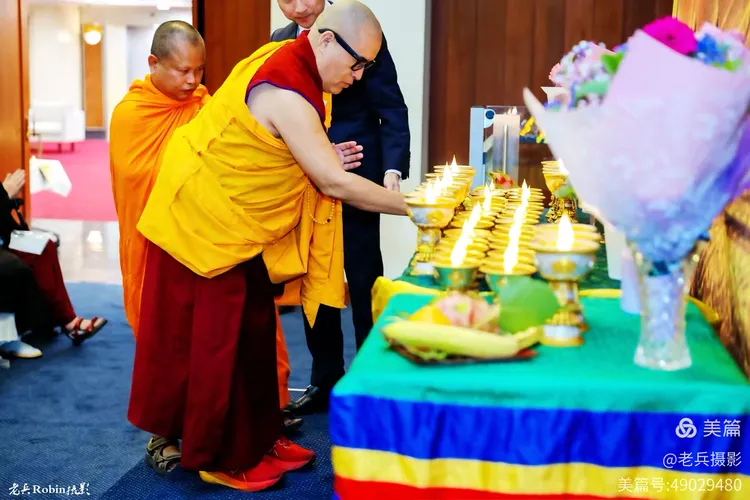
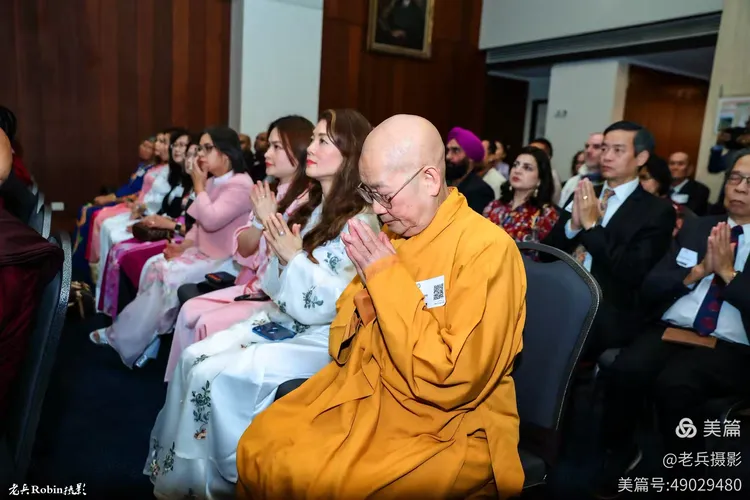
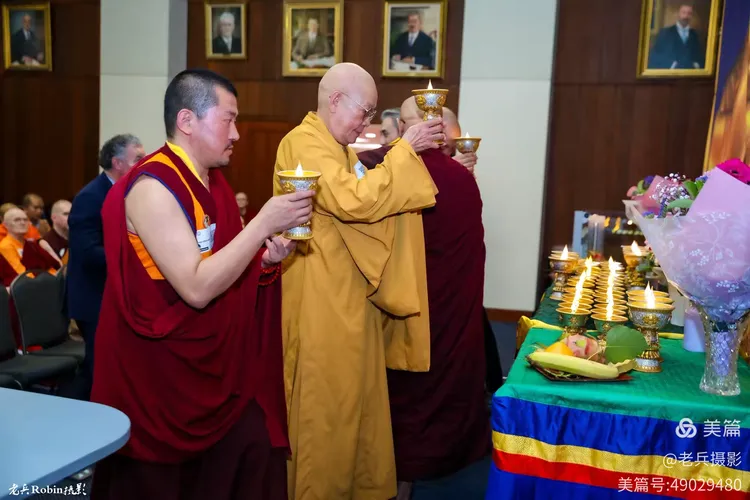
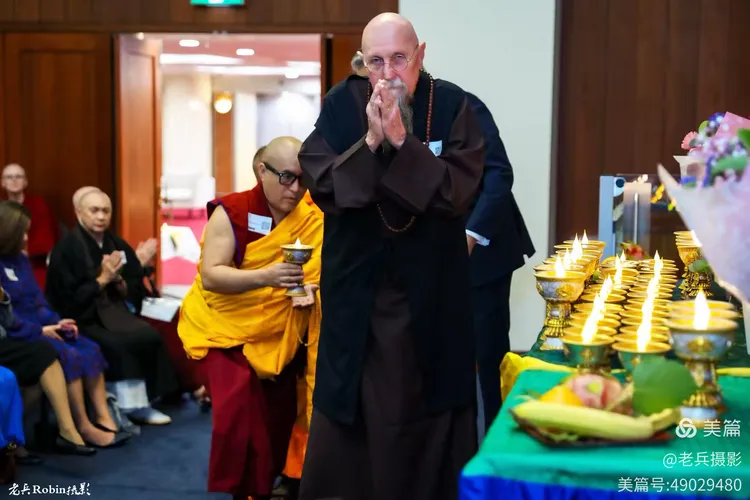
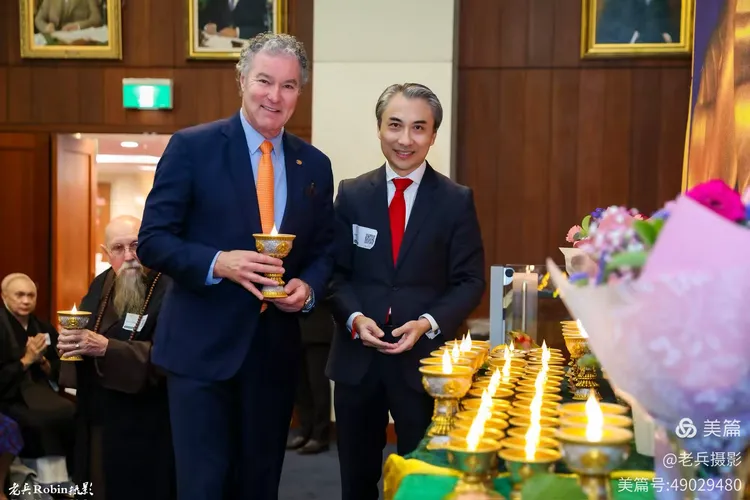
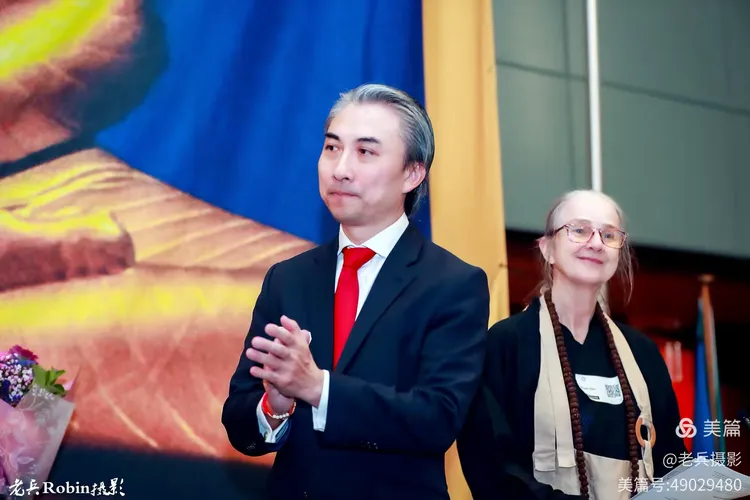
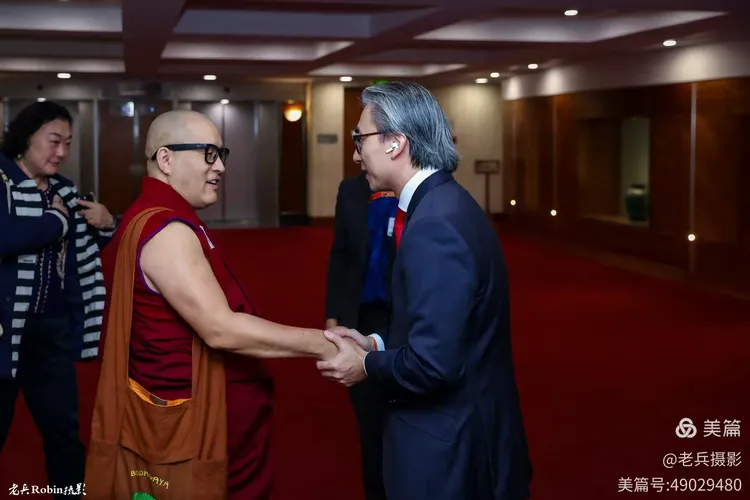
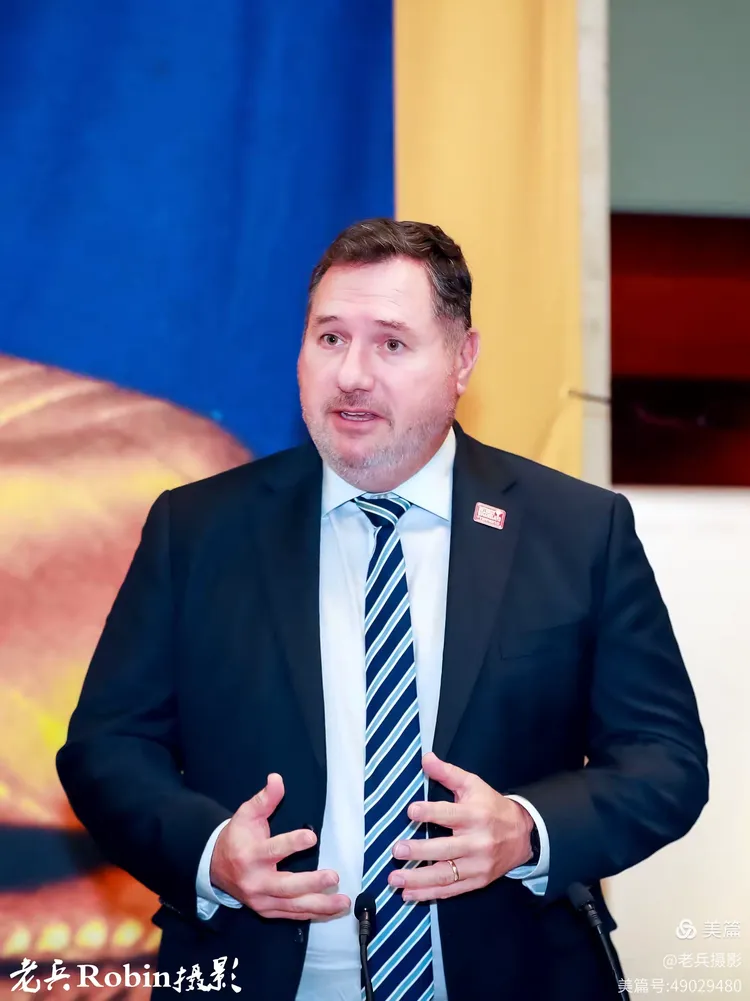
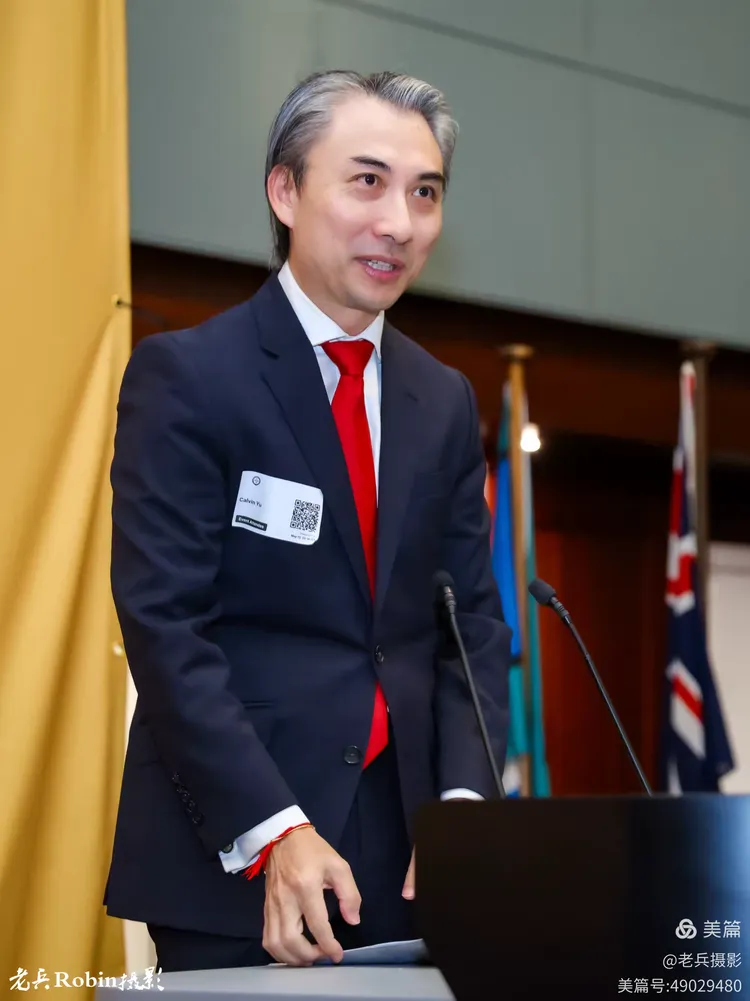
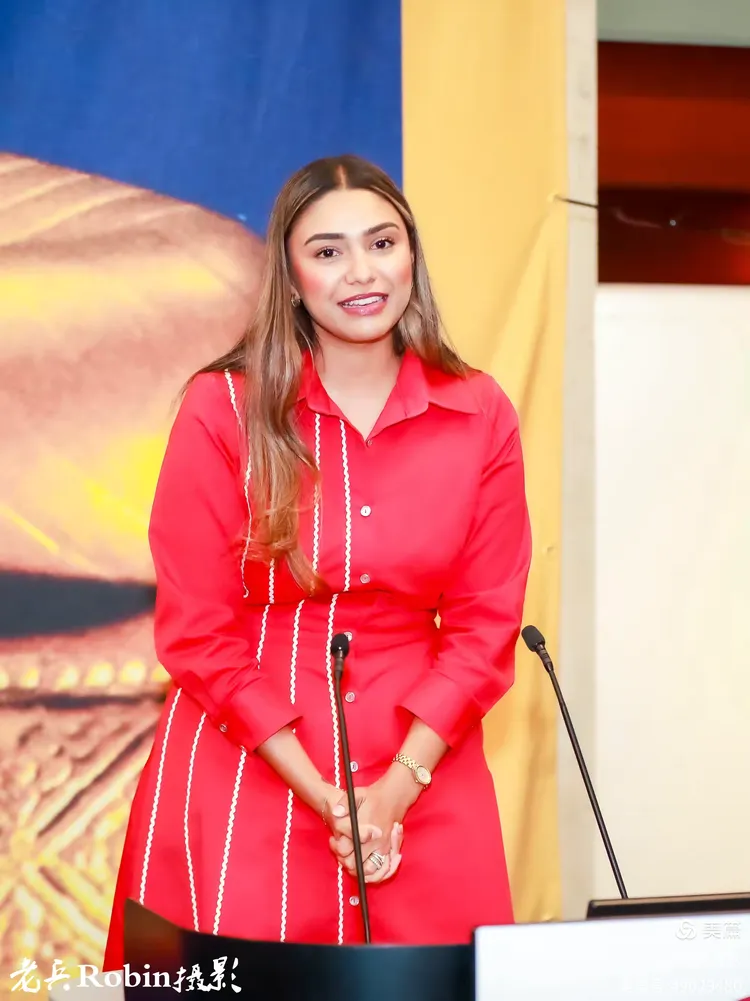
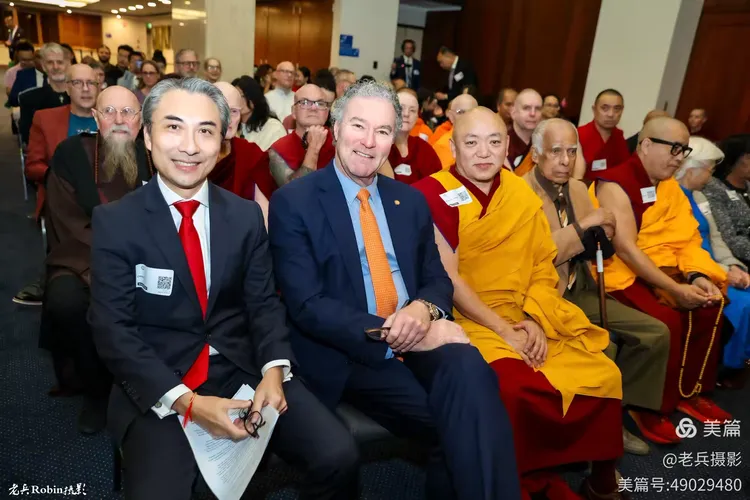
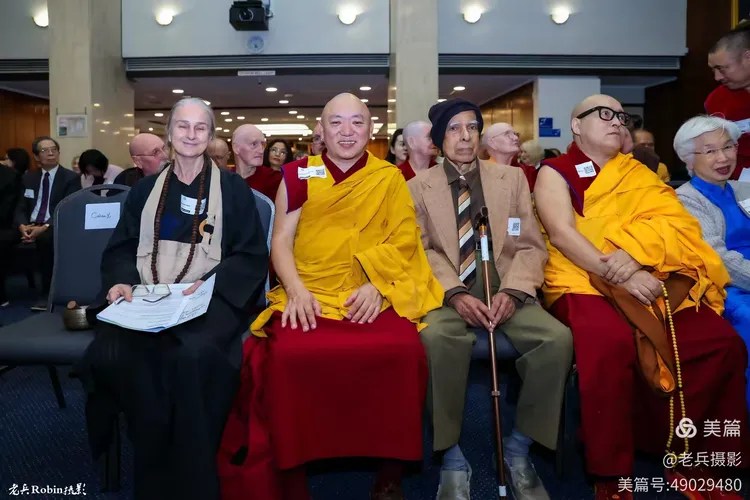
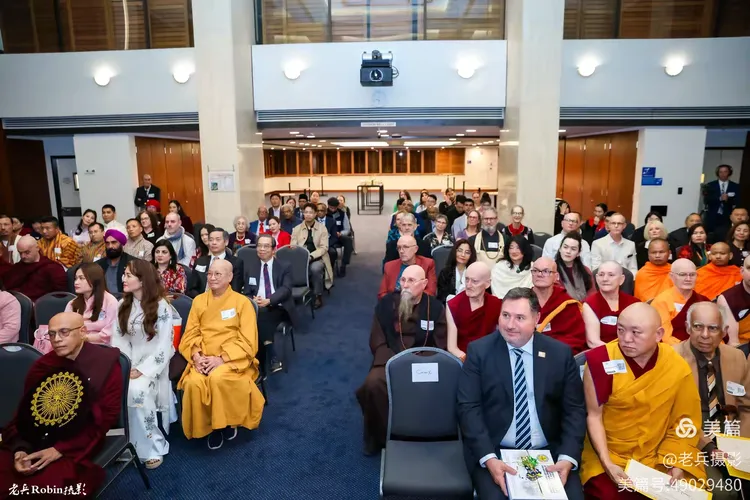
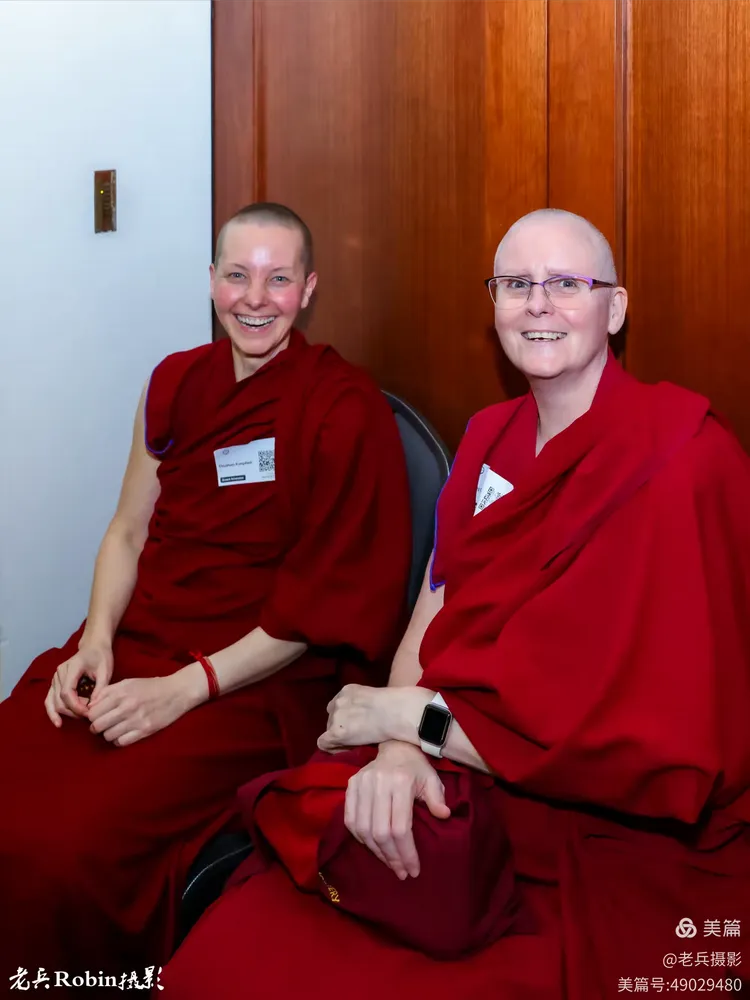
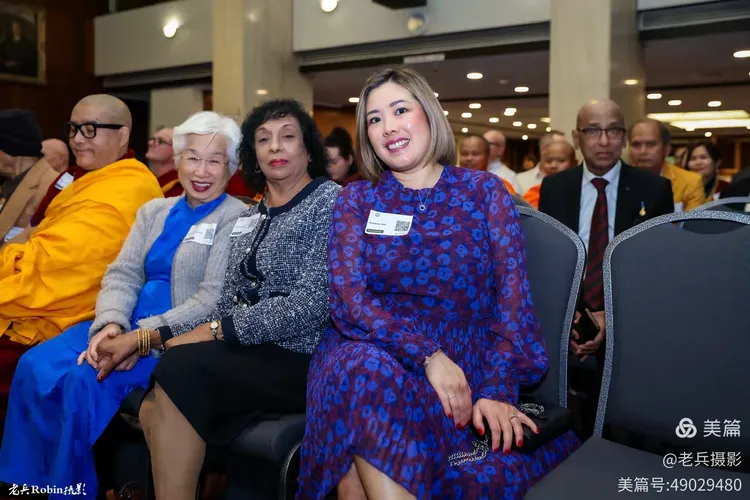
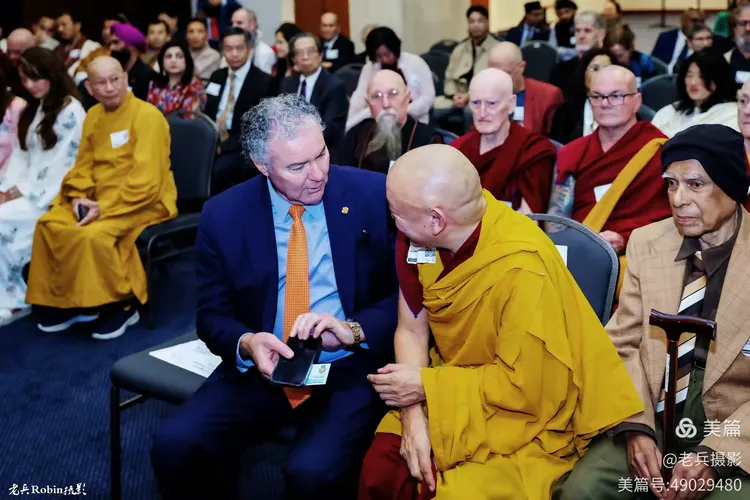
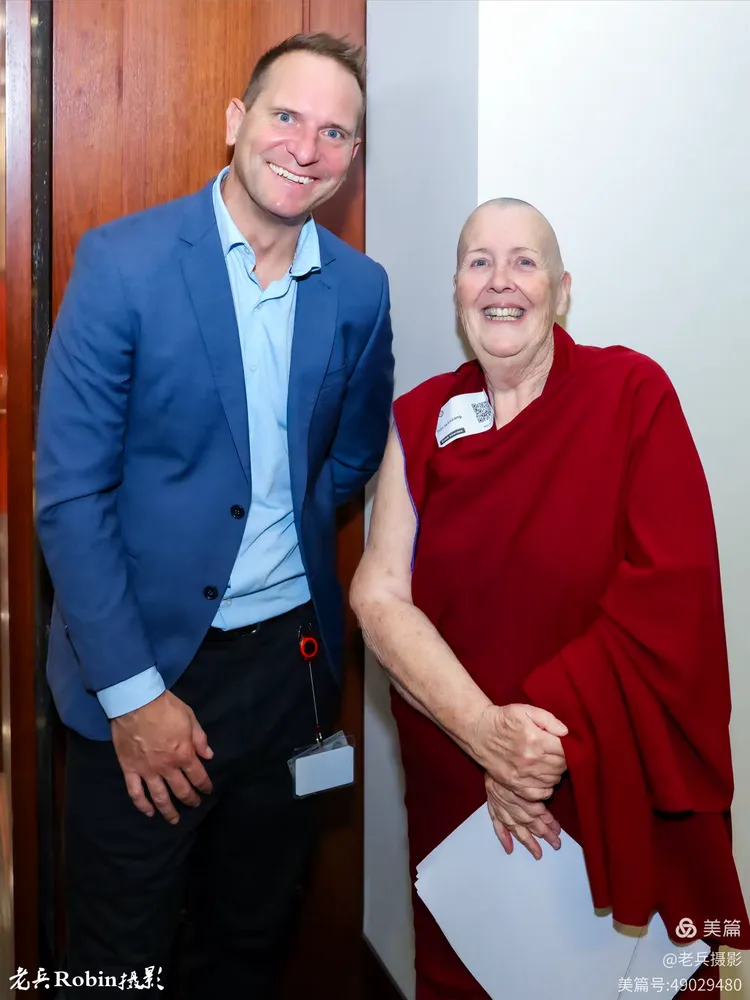
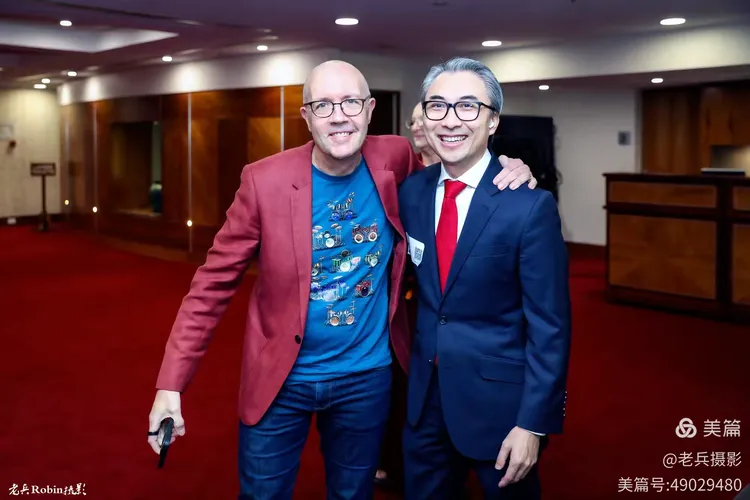
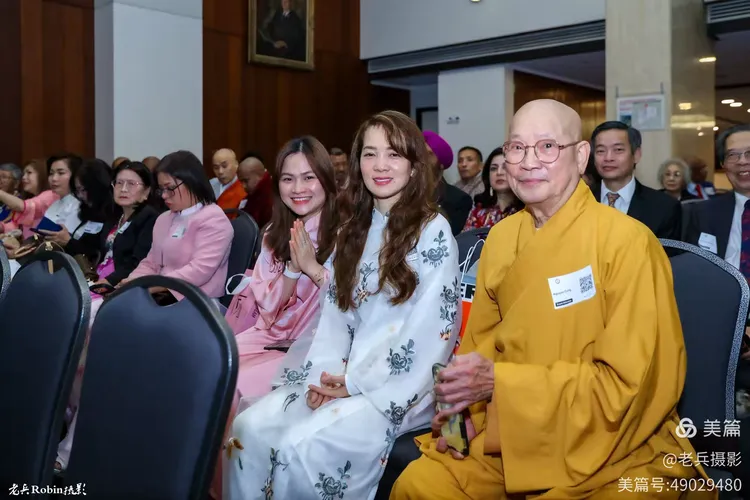
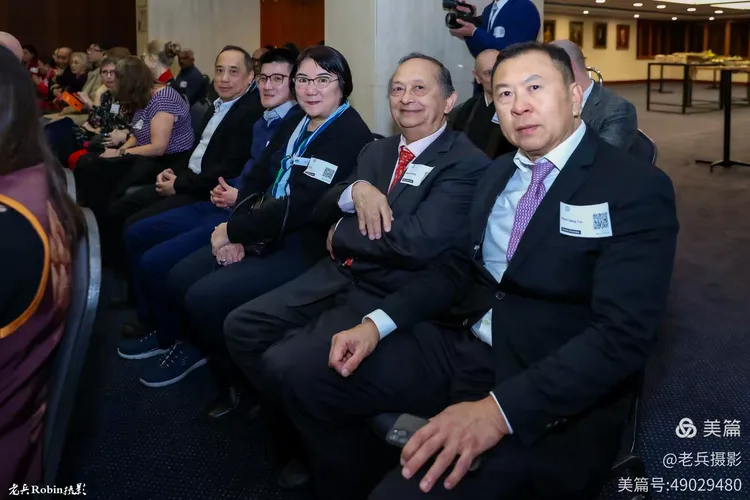
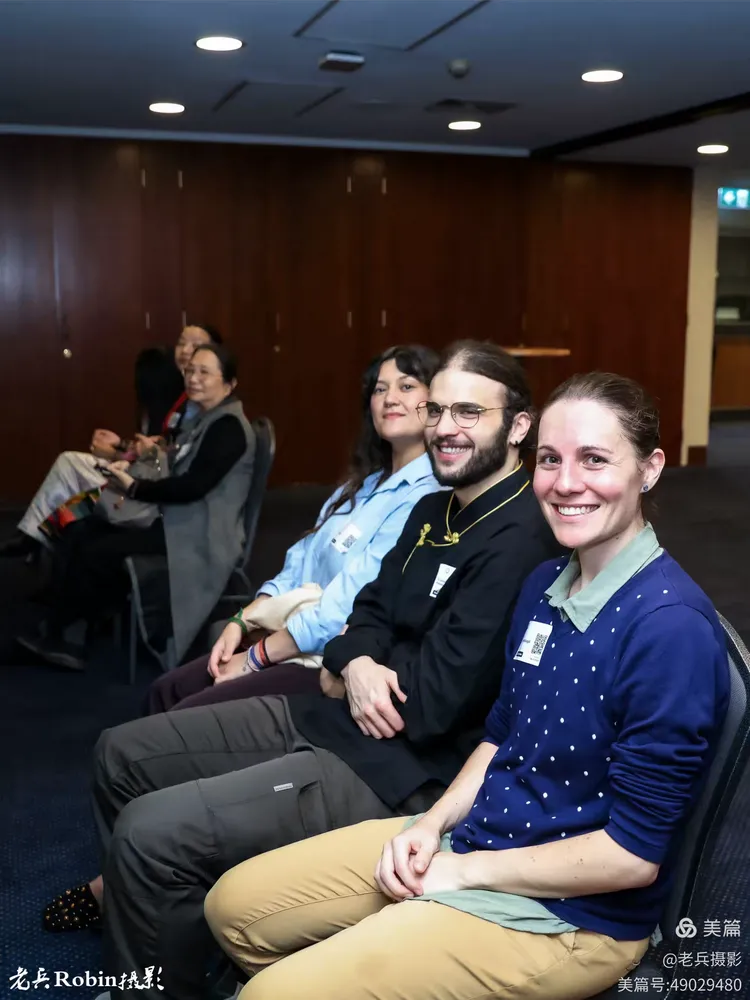
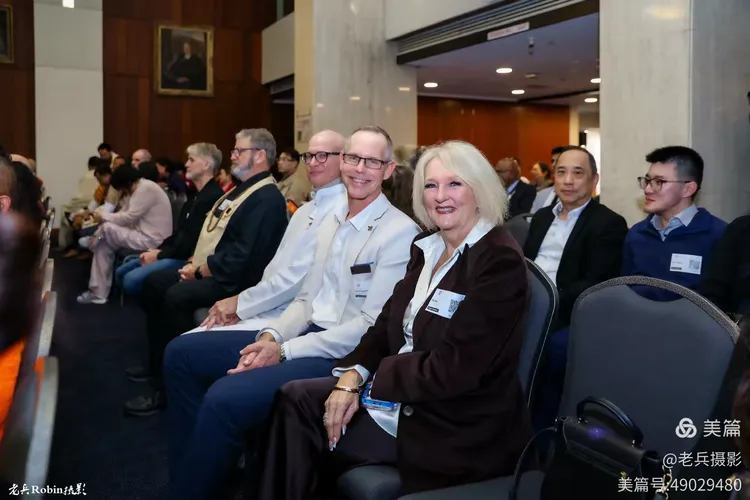
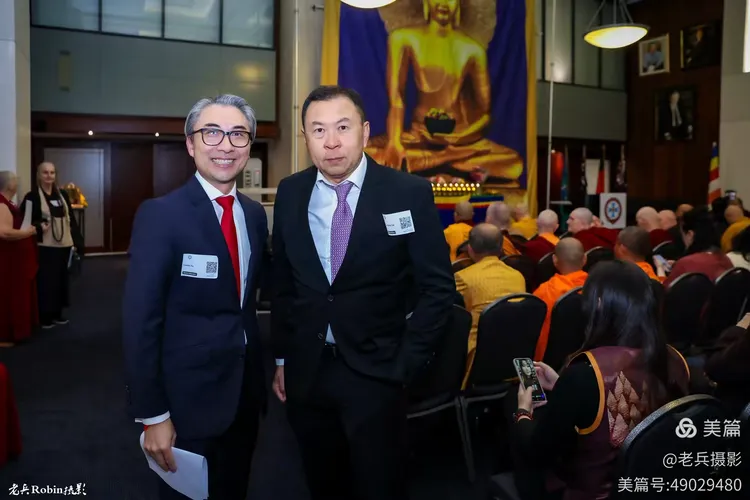
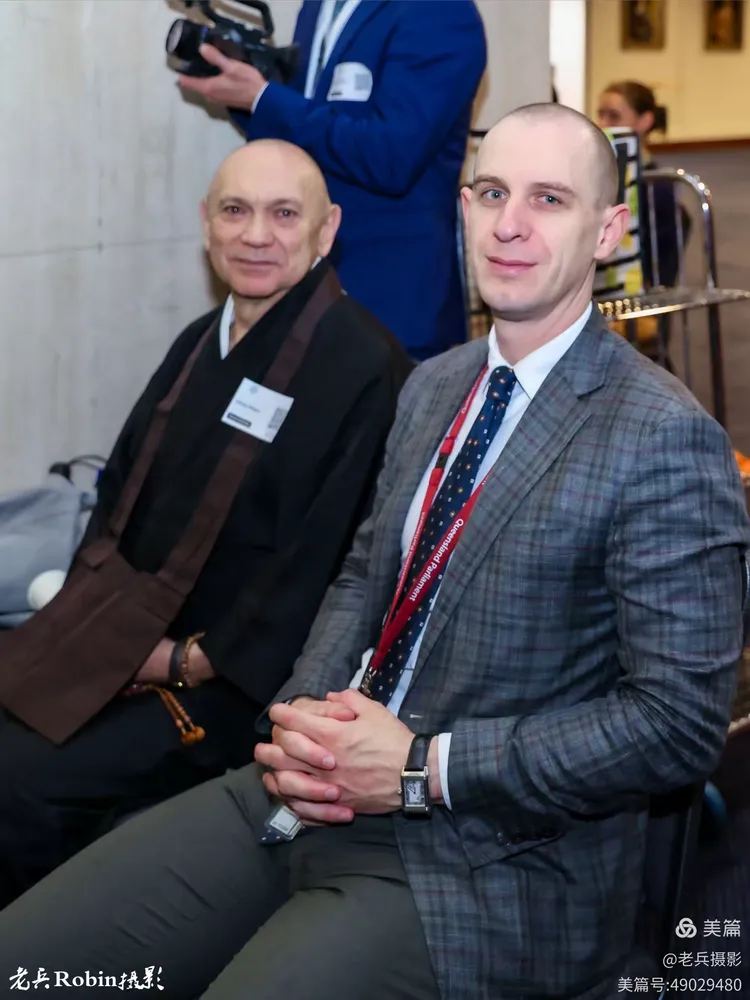
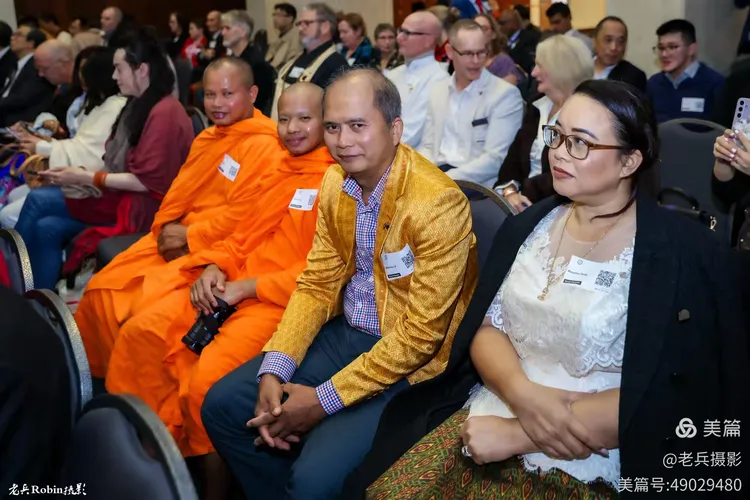
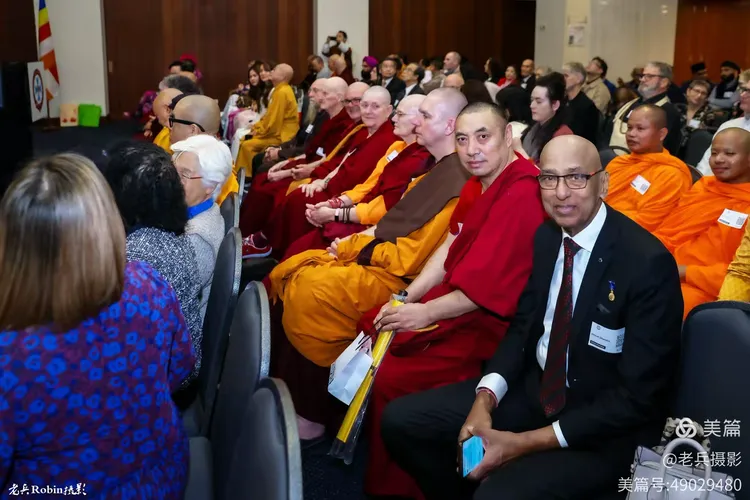
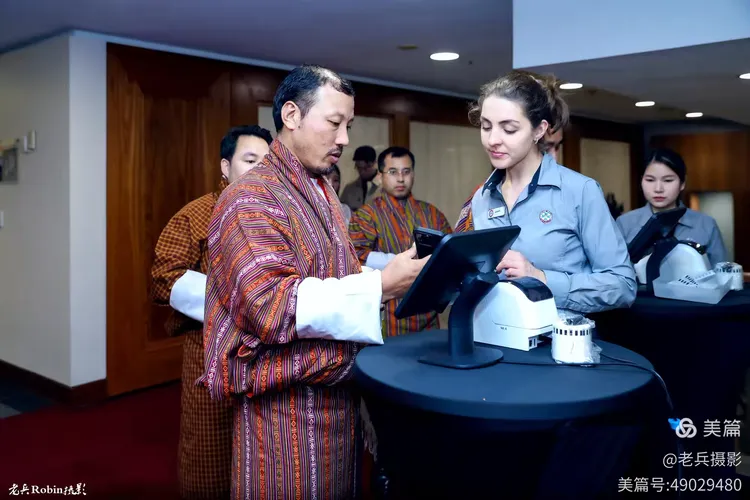
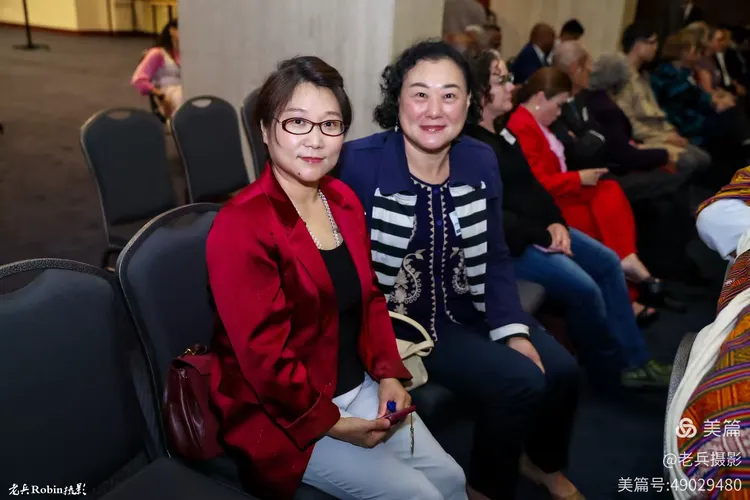
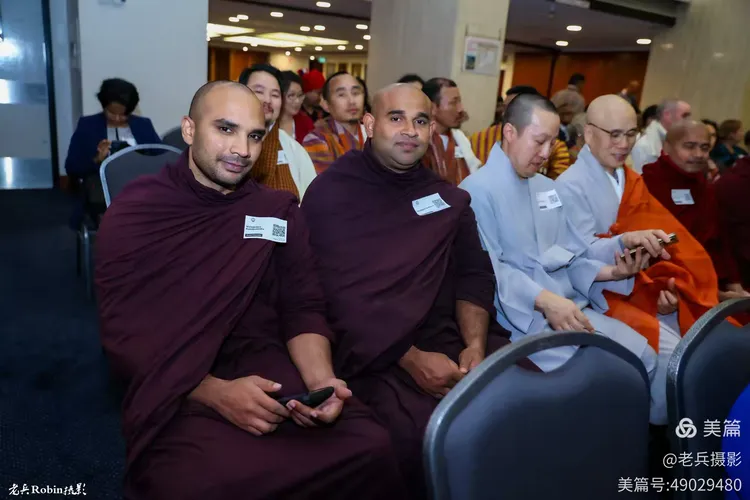
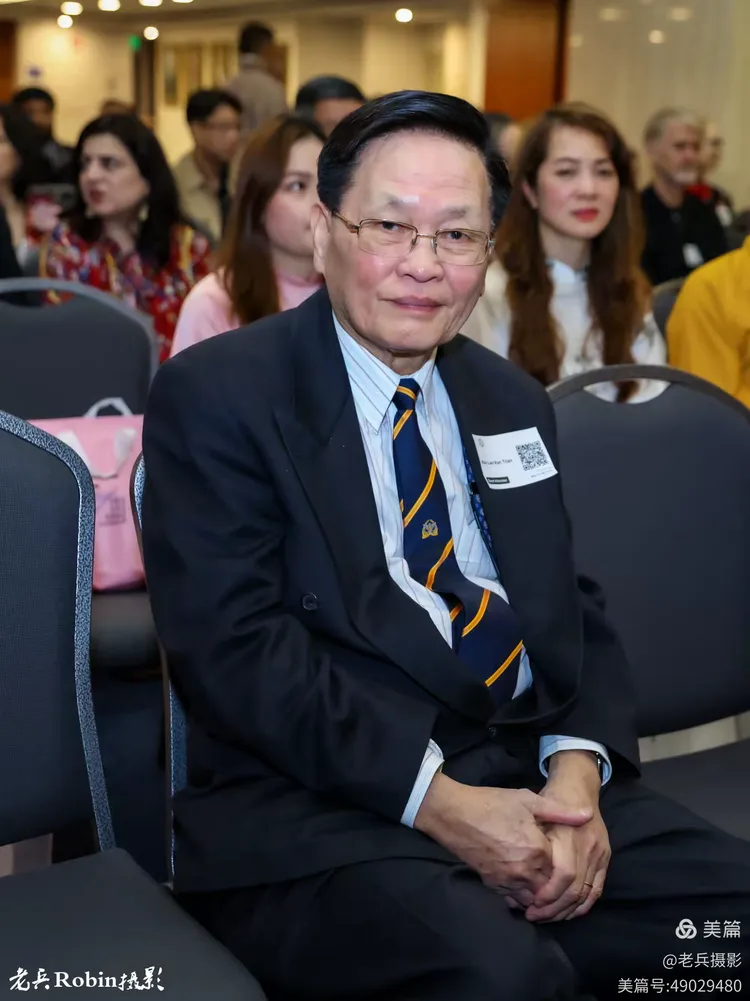
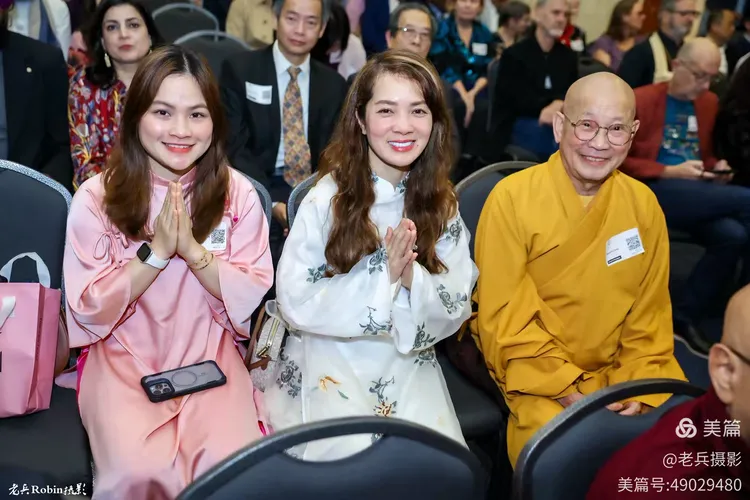
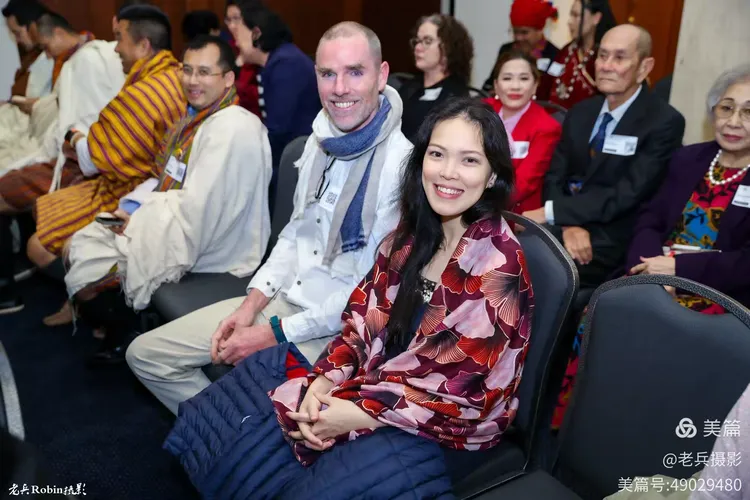
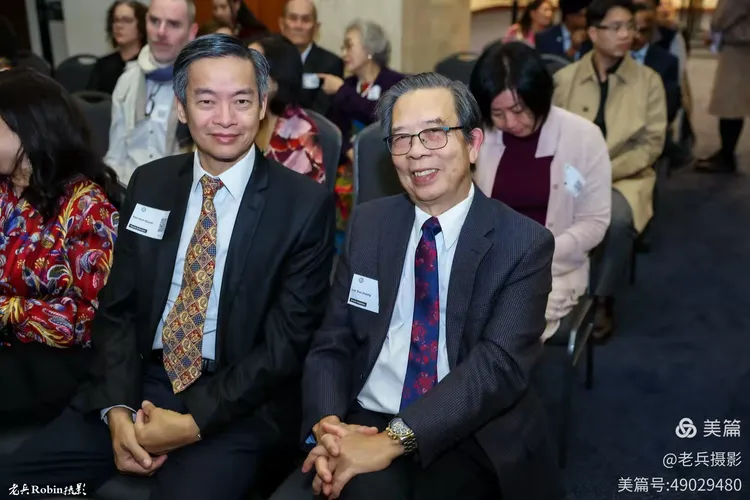
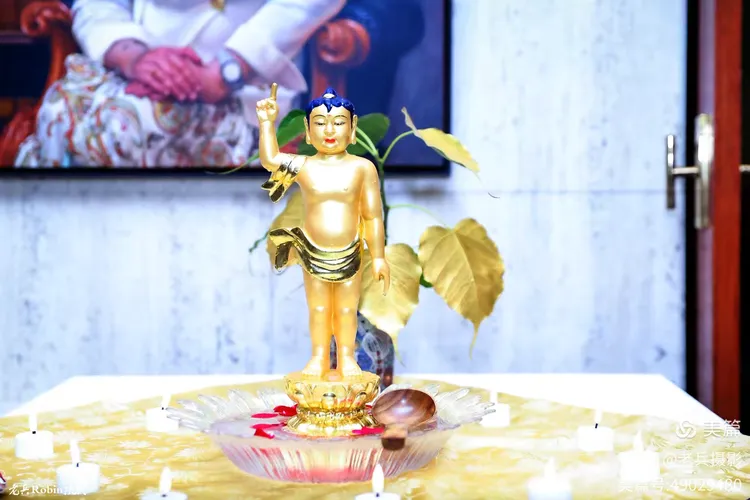
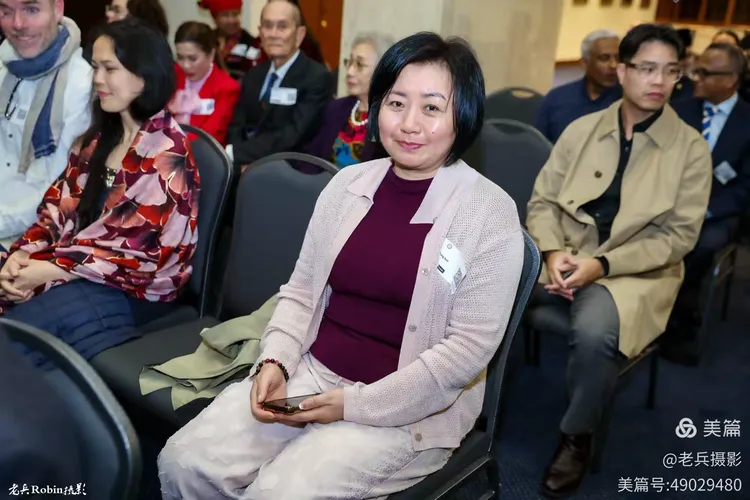
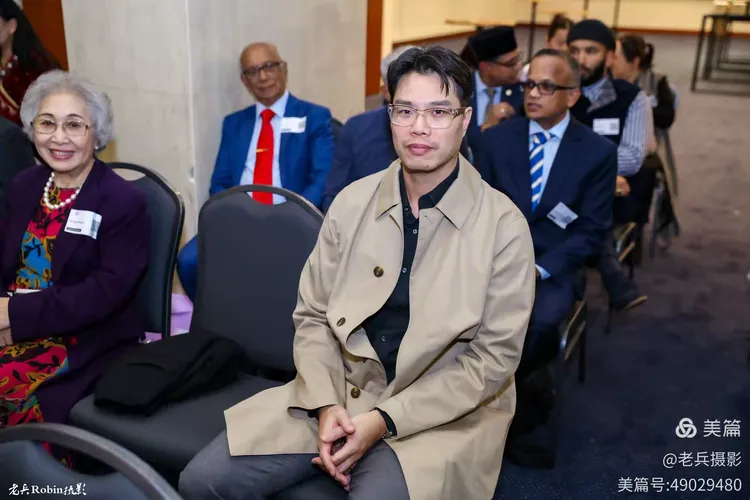
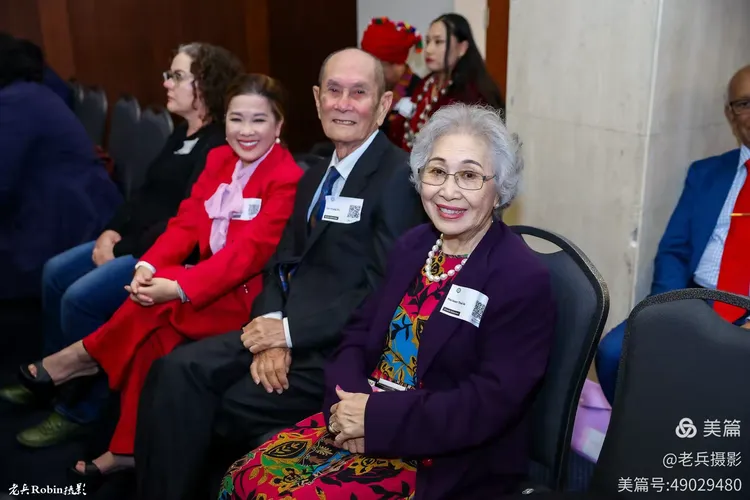
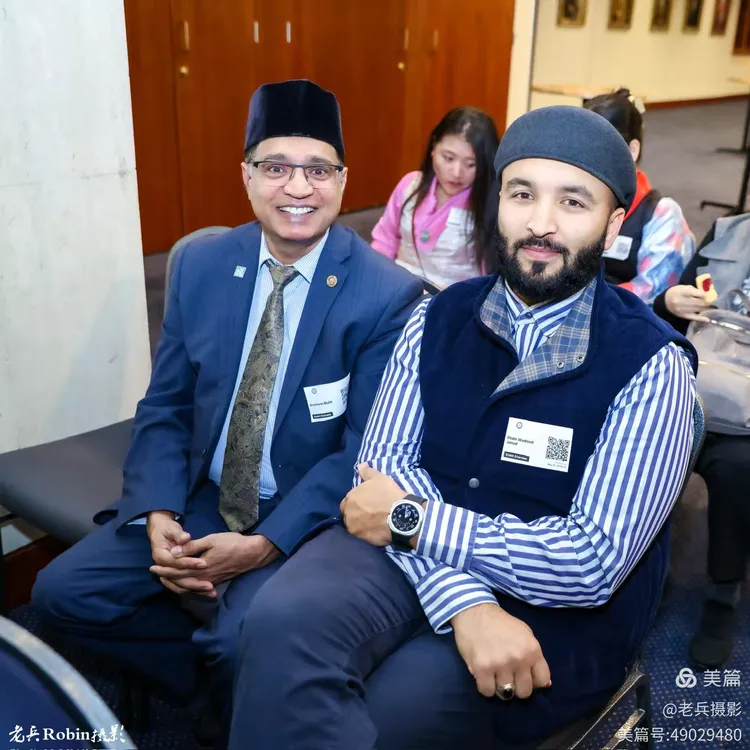
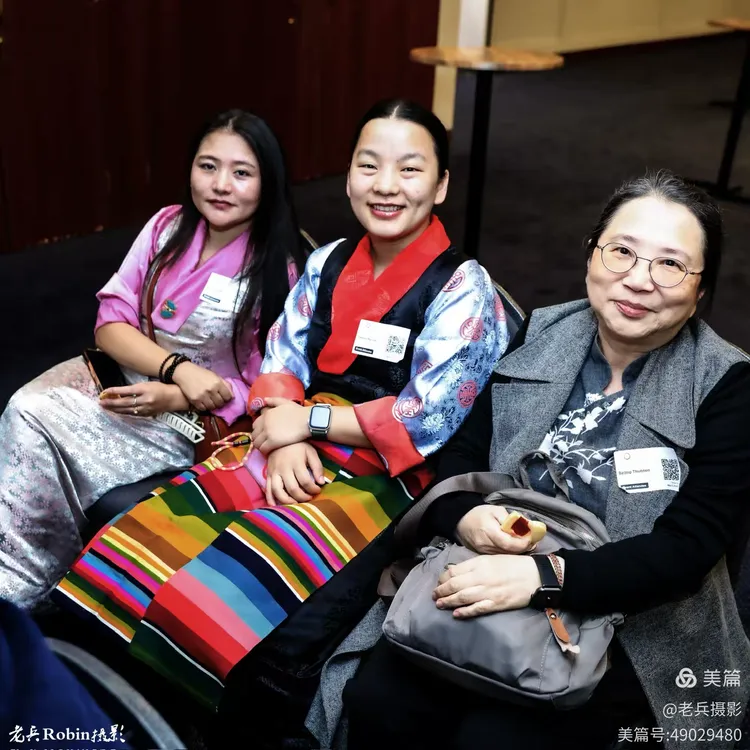
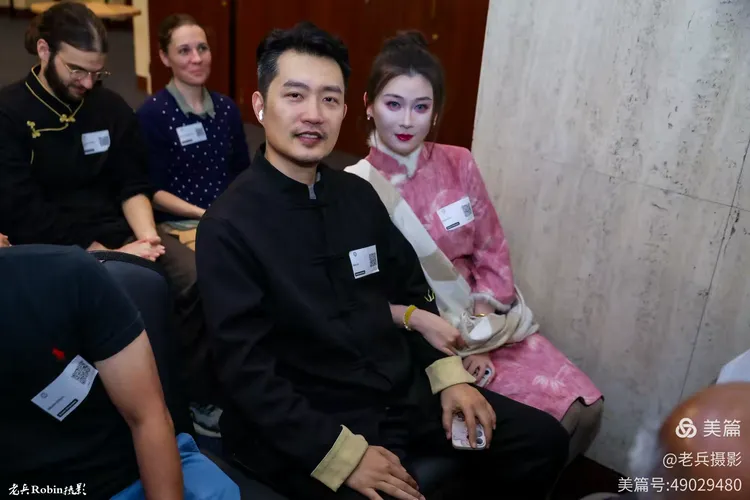
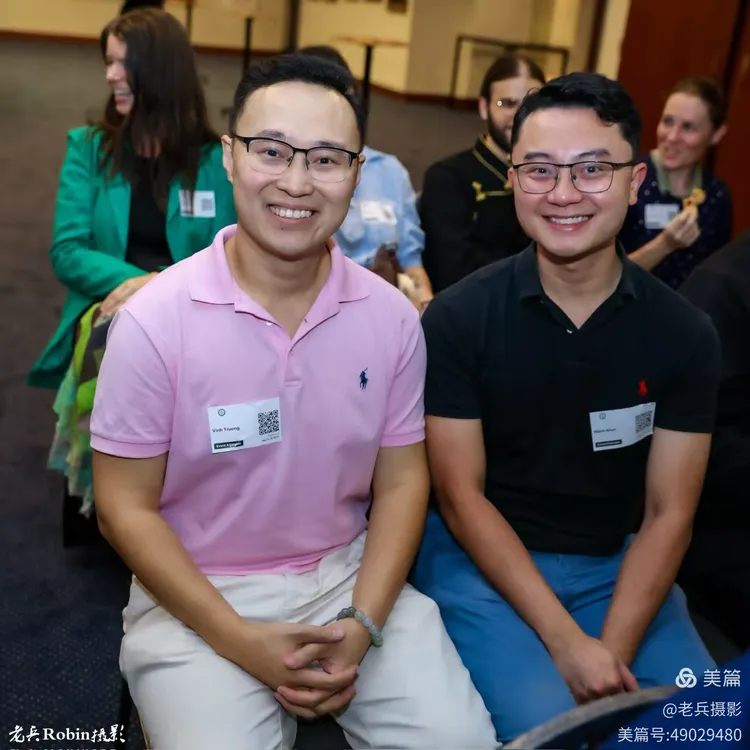
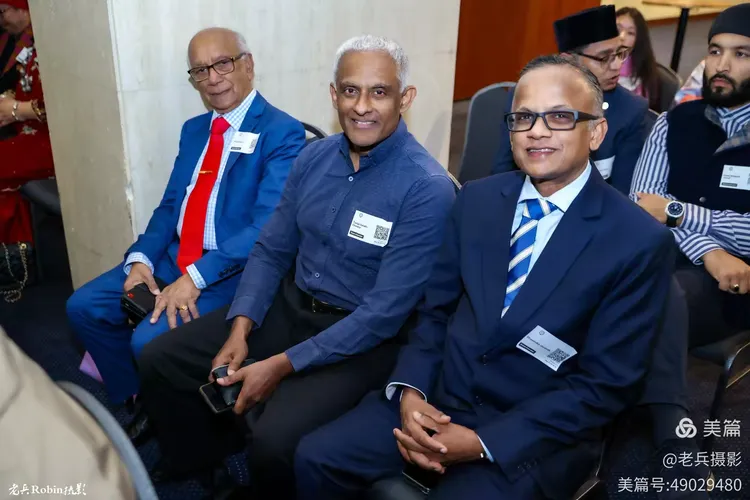
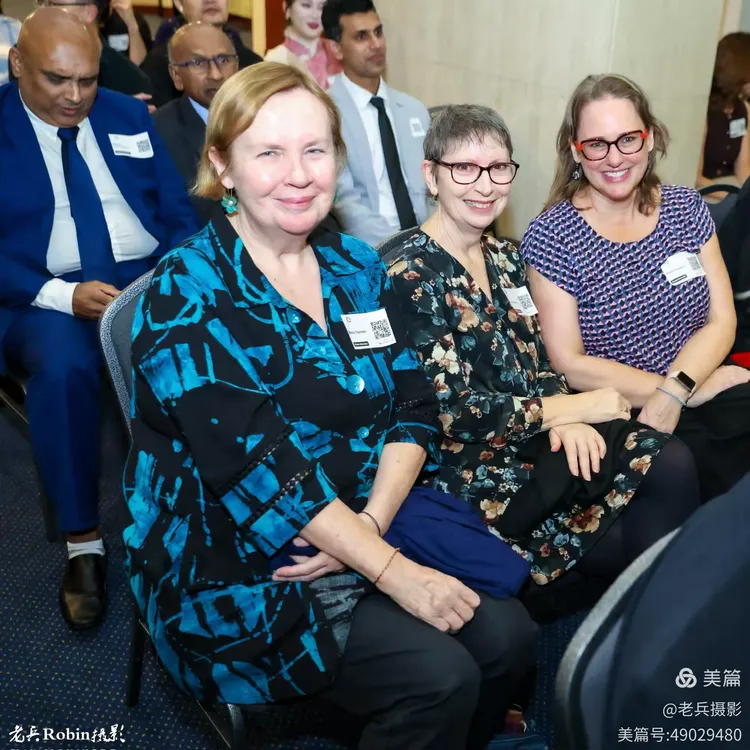
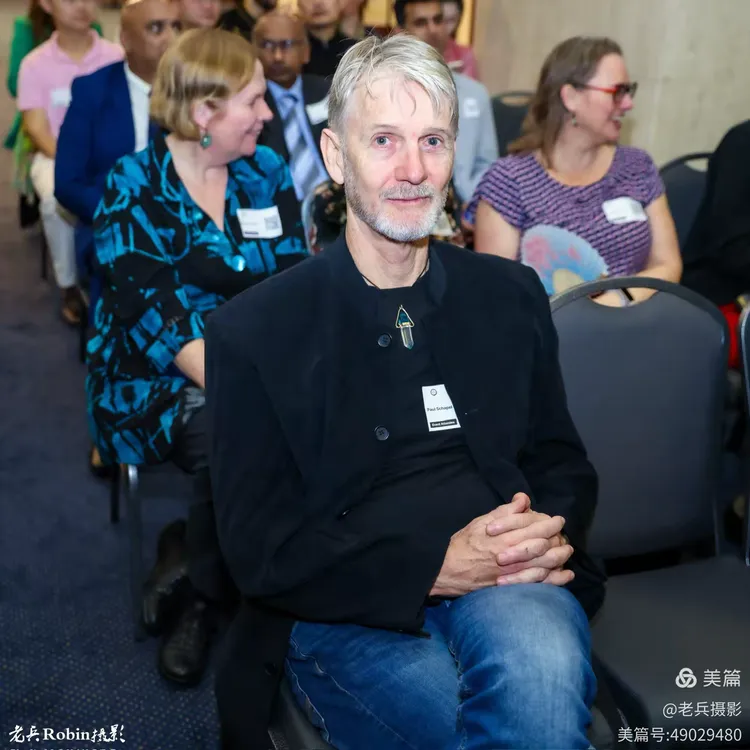
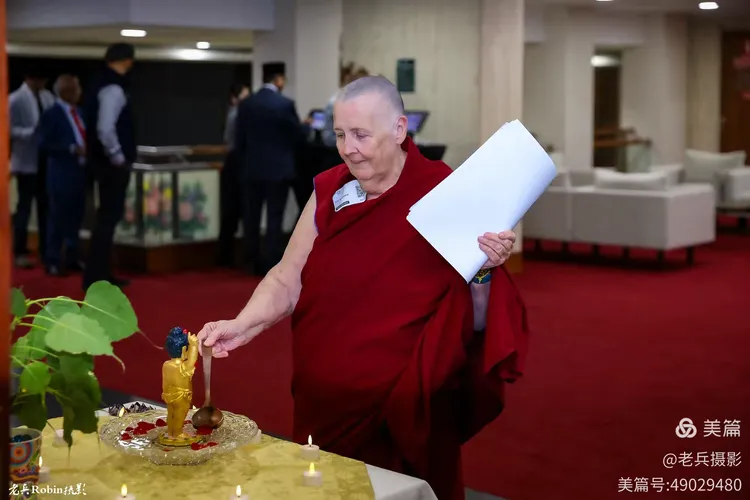
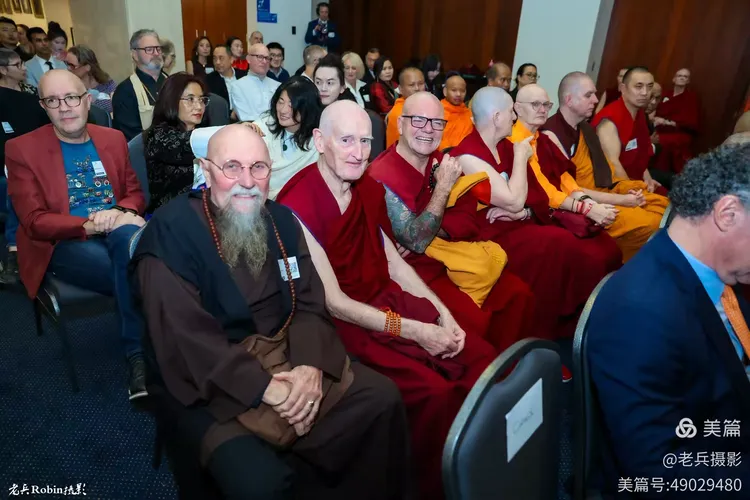
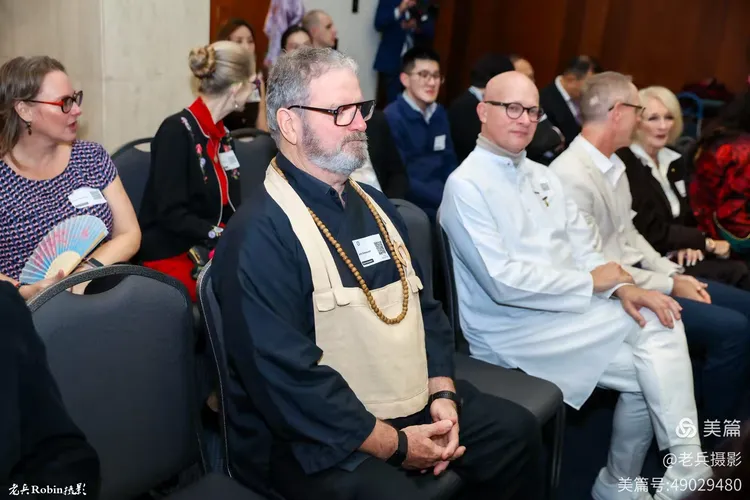
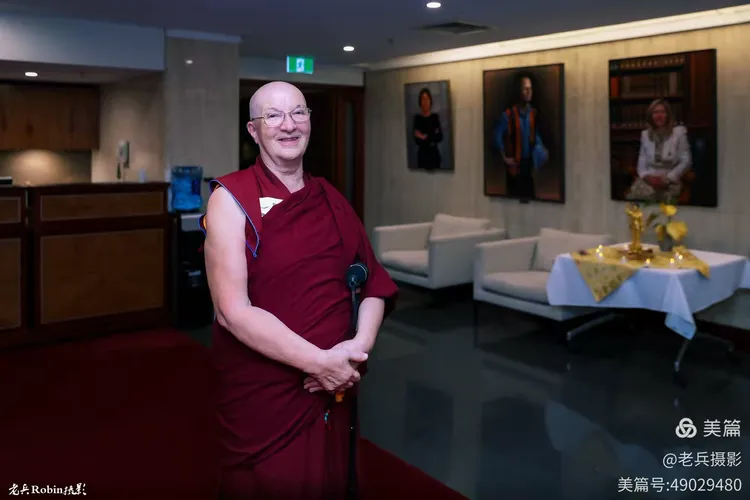
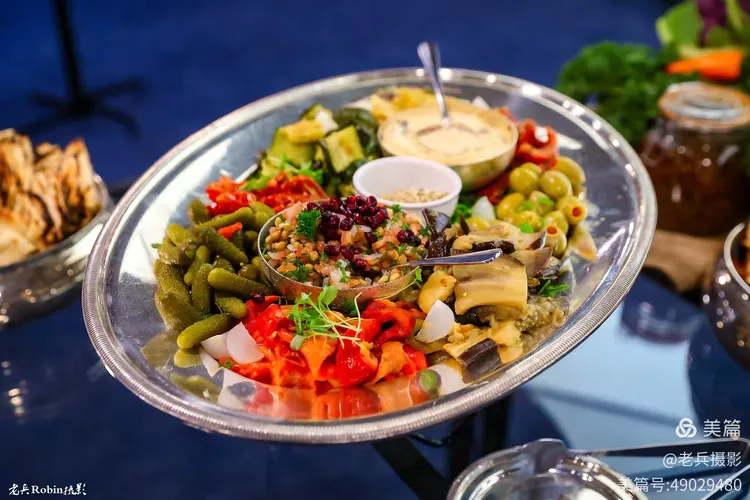
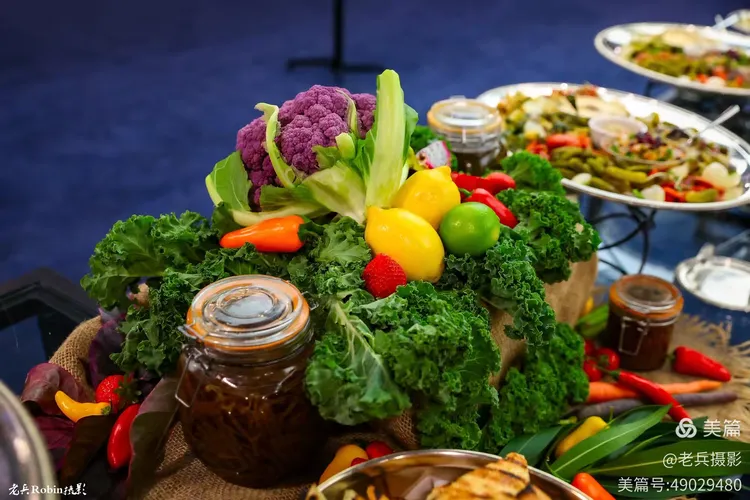
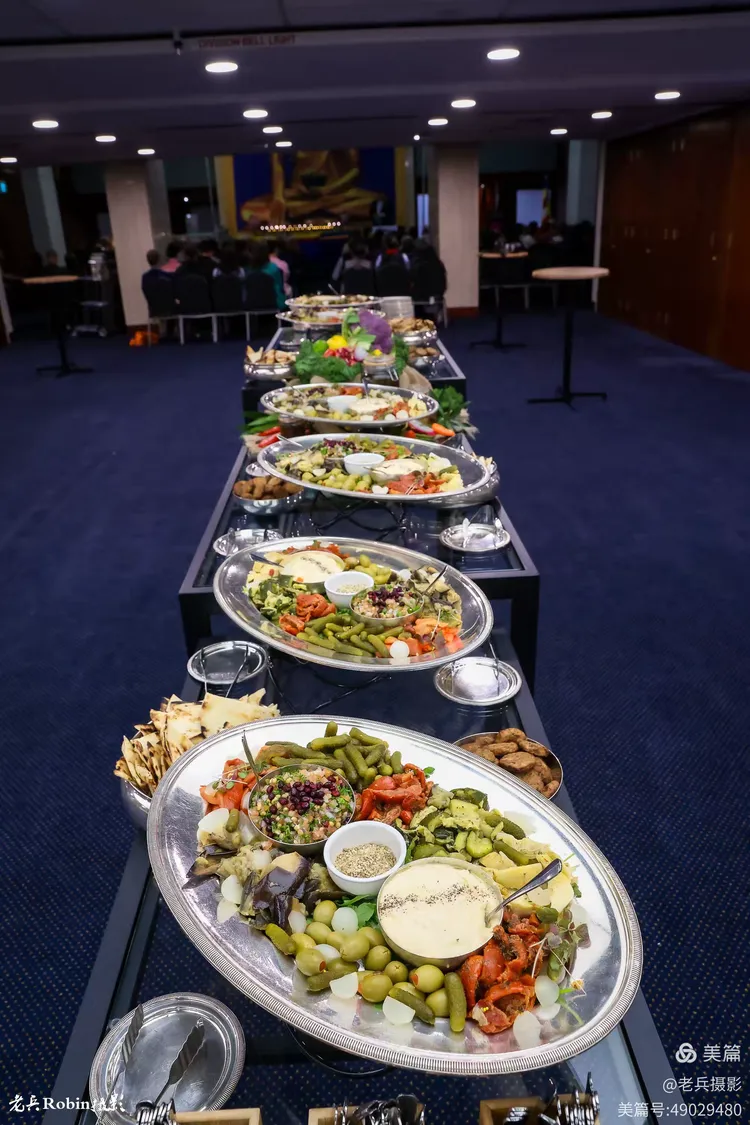
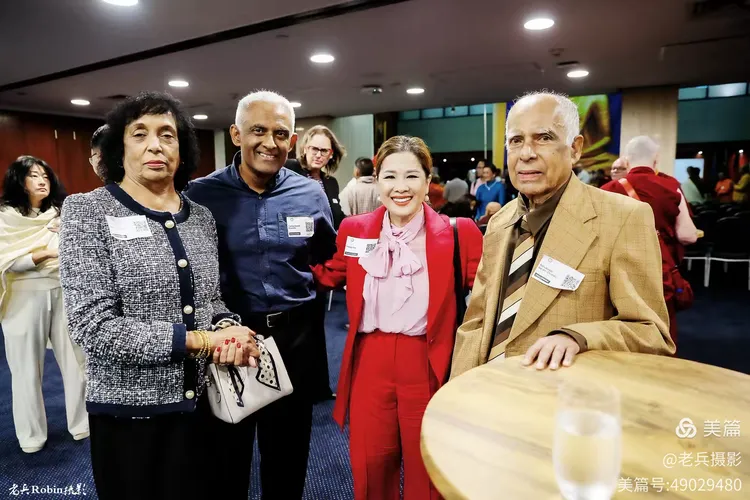
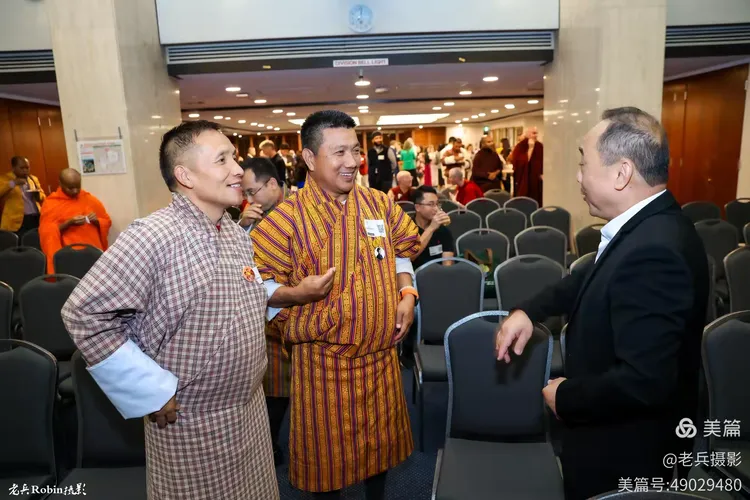
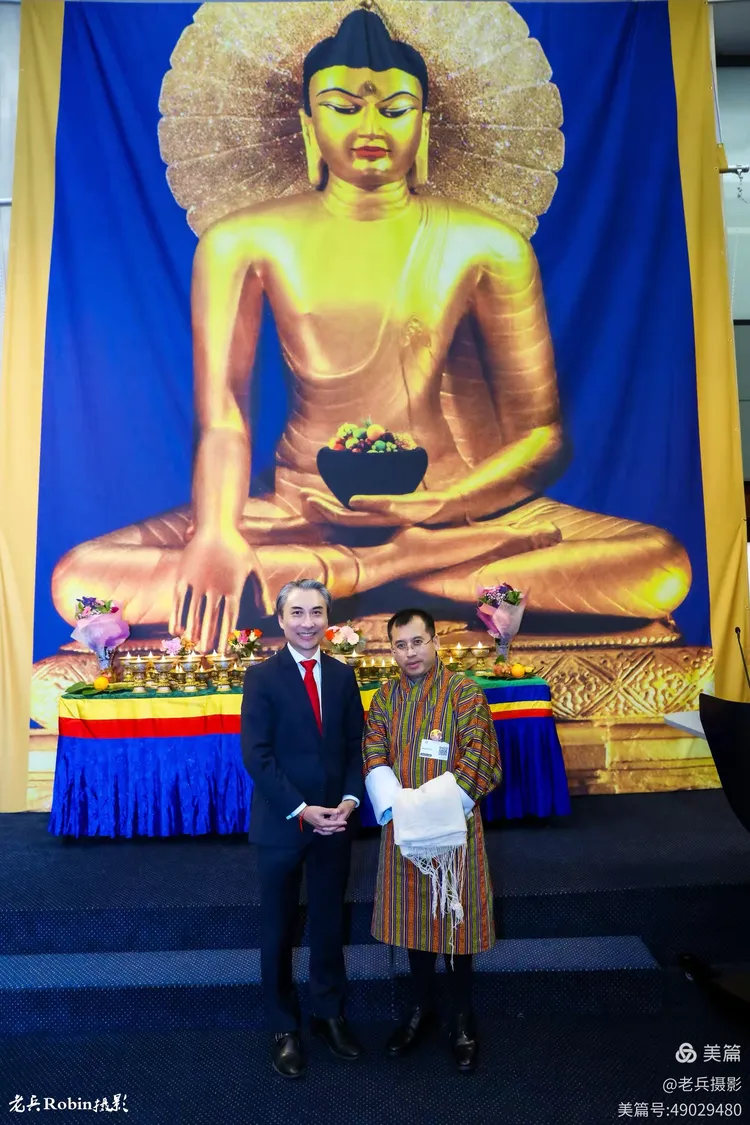
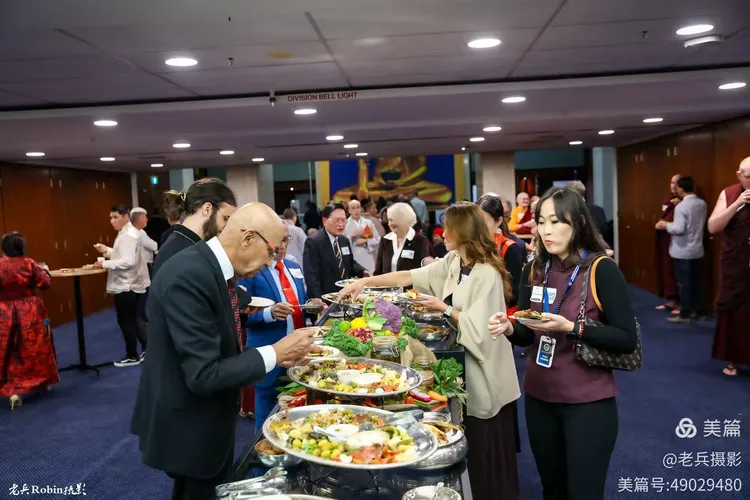
Photos from the Buddhist Council of Queensland's Vesak Day celebration at Queensland Parliament House, 13 May 2026. Photography: 老兵摄影 (Veteran Photographer).